
News & Analysis
Satellite Companies Restrict Journalists’ Access to Images from the Iran War
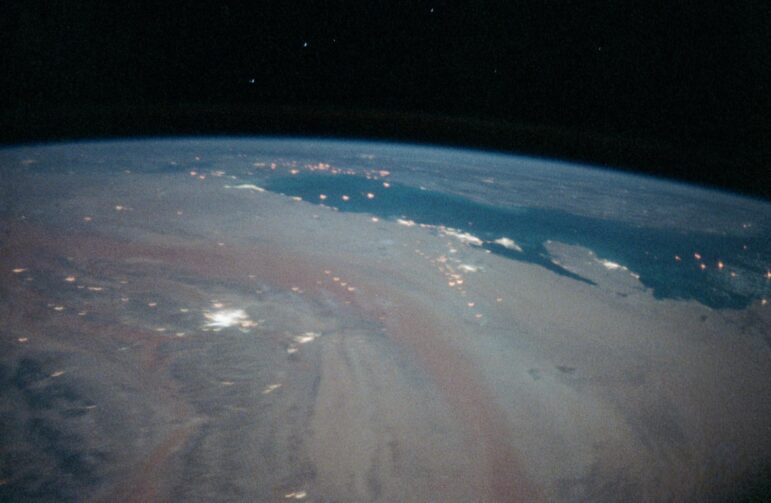
Going forward, two major commercial satellite imagery companies will apply a two-week hold on all images in the companies’ image archives.
Going forward, two major commercial satellite imagery companies will apply a two-week hold on all images in the companies’ image archives.
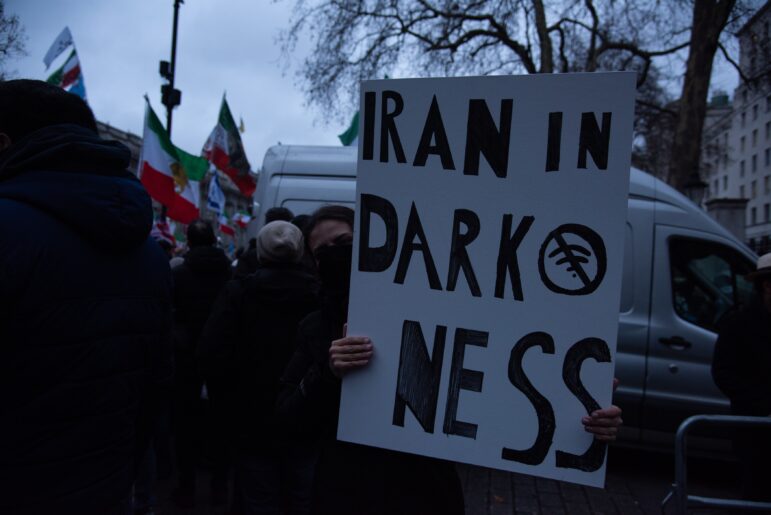
Marina Adami speaks to Shayan Sardarizadeh, a senior journalist at BBC Verify, about how his team is reporting on Iran in the midst of an internet blackout.

The rise of conflict imagery on social media has provided open source researchers valuable material to identify explosive ordnance.

Veteran journalists share tips on how to monitor online chatter among white supremacists and other far right extremists — and how to stay safe while doing so.

GIJN talked with reporters doing the difficult work of covering the Hamas attack on Israel and its aftermath, including preparations for the October 7 assault.
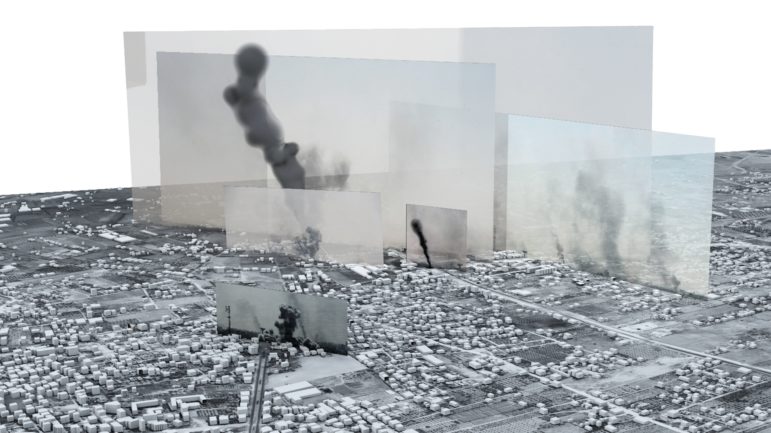
Forensic Architecture, a research agency based in London, blends human rights expertise with research, architectural capabilities, and investigative firepower. Our interview finds out how the team tackles investigations in the Middle East.
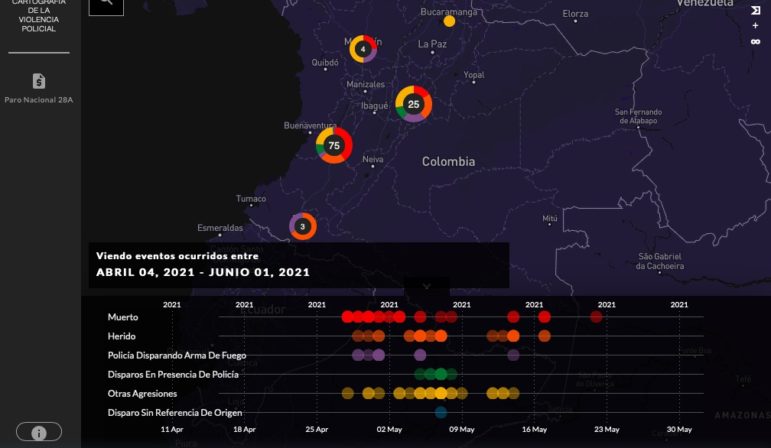
Colombian media outlet Cerosetenta joined the international collective of journalists and researchers Bellingcat and research agency Forensic Architecture to map police violence during ongoing protests in Colombia and, in a second step, to reconstruct crimes committed in this context.

At the recent NICAR21 data journalism conference, organized by Investigative Reporters and Editors, experts shared dozens of new tools and plugins that can save time or add efficiency and insight to any investigation.
When a former Russian double agent collapsed on a bench in a quiet British cathedral town, it looked like an assassination attempt. Experts soon identified the poison nerve agent Novichok A234. The team at the open source investigative site Bellingcat were watching, and waiting for a chance to dig into what had happened and who was behind it.
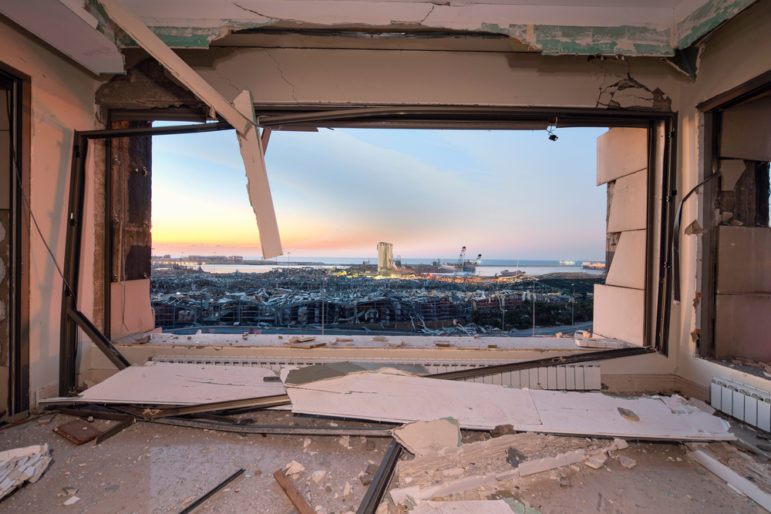
On the evening of August 4, 2020, a devastating blast at the port in Beirut shook the Lebanese capital. It was one of the largest non-nuclear explosions in history. GIJN spoke to three outlets whose investigations all played a pivotal role in understanding what led to the explosion and why a ship and its deadly cargo were stuck at the port for so long.