

Case Studies
Google News Initiative Grants in Africa and the Middle East Yield Mixed Results
A study found many Google News Initiative projects in Middle East and Africa struggle to become more than makeshift versions of the original idea.
A study found many Google News Initiative projects in Middle East and Africa struggle to become more than makeshift versions of the original idea.
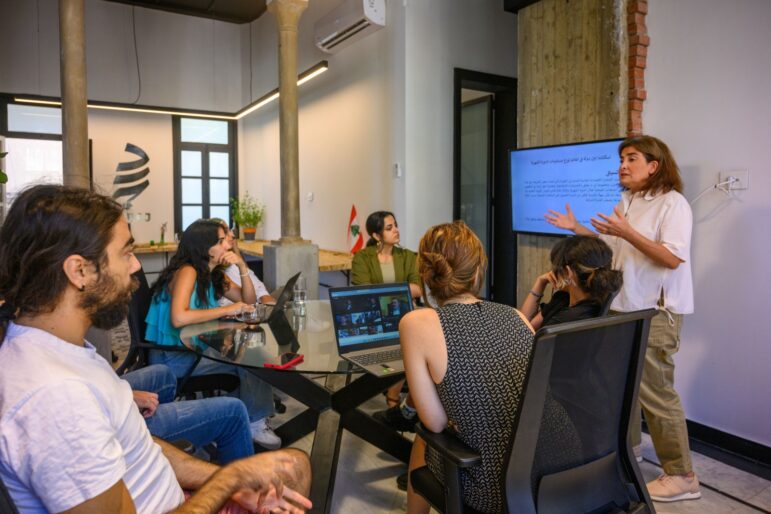
Daraj co-founder Diana Moukalled discusses the outlet’s origins in Lebanon, its impact, its funding, and reporting on women’s rights and corruption across the Middle East.
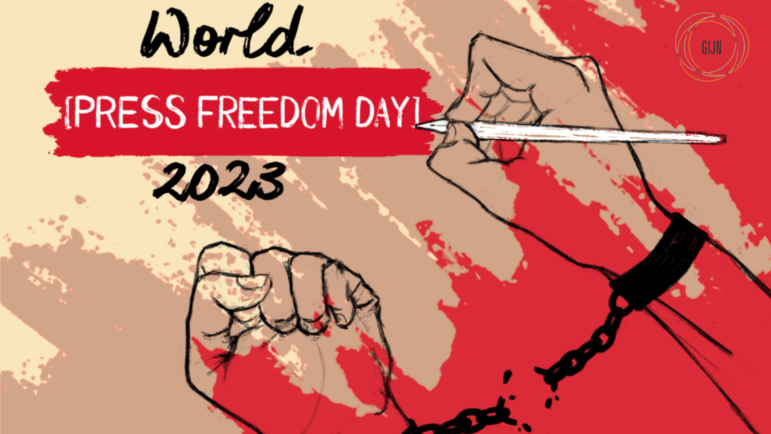
To mark the 30th anniversary of the United Nations’ World Press Freedom Day, GIJN shares some experiences of investigative journalists facing the biggest challenges and threats around the world.

Being an investigative journalist in the Middle East and North Africa was immensely challenging in 2022, thanks to the dramatic decline in press freedom in places once considered safer for journalists such as North Africa, the lack of human and financial resources, and the inability to access data and public information in most Arab countries.

In this interview, two reporters discuss how they used WhatsApp messages to explore and investigate the effects of Lebanon’s economic collapse on people across the country.
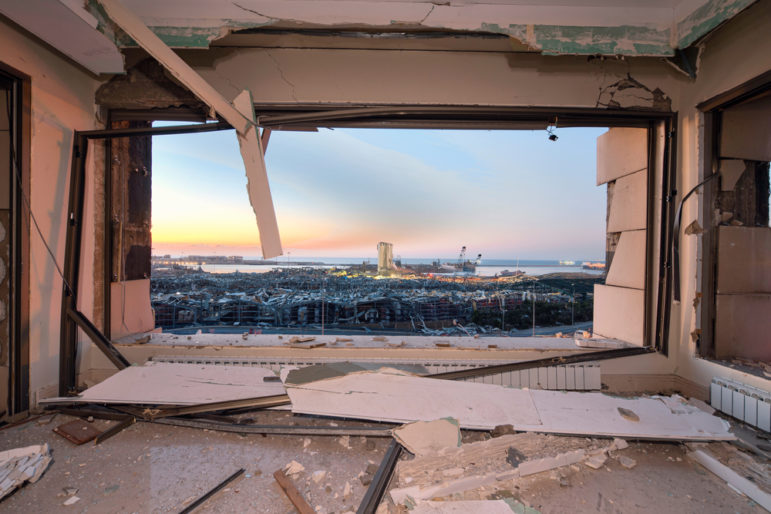
On the evening of August 4, 2020, a devastating blast at the port in Beirut shook the Lebanese capital. It was one of the largest non-nuclear explosions in history. GIJN spoke to three outlets whose investigations all played a pivotal role in understanding what led to the explosion and why a ship and its deadly cargo were stuck at the port for so long.
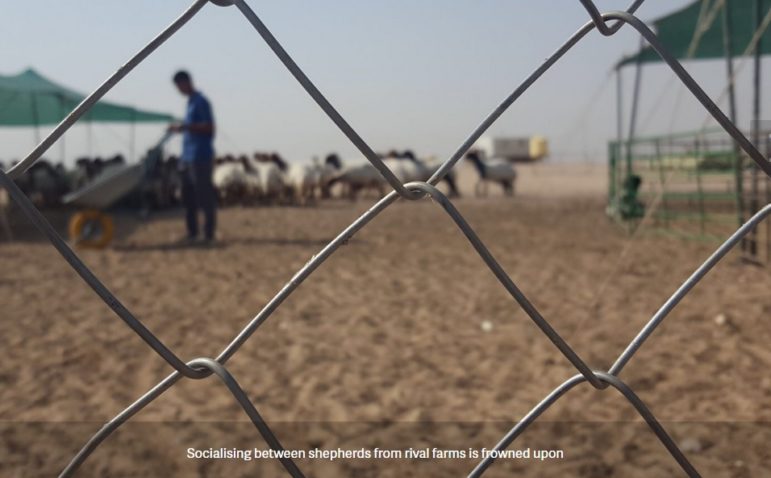
Full guide here. العربية Below we profile 10 stories of trafficking and forced labor common throughout the countries in the Gulf Cooperation Council region, which includes the United Arab Emirates, Saudi Arabia, Kuwait, Qatar, Bahrain and Oman. Domestic Workers: Trafficking and Unscrupulous Recruitment Indian Women Duped by Recruiters. Indian women are regularly trafficked through the United Arab […]
In 2001 GIJN was born, as investigative journalists from around the globe met for the very first time to share ideas, tips, and best practices to strengthen their reporting in a world where journalism was increasingly under threat.
Today the threat has multiplied, and at GIJN we find ourselves under the same pressures as our member organizations. Most urgently: available funding for investigative journalism has been impacted as some longtime funders who supported journalism in the past are no longer doing so or have closed. Yet our work continues, more important than ever before.
GIJN serves as the global hub for the world’s investigative reporters. Our core mission is to support and strengthen investigative journalism—with special attention to those from repressive regimes and marginalized communities.
We are embarking on our first-ever campaign initiative to help us expand our revenue by the end of the year through individual donors. If you have ever joined one of our free webinars, used one of our free resources, learned a new skill thanks to a GIJN training, or simply believe that press freedom is essential to civil society, we ask you to show your support for GIJN’s work with a donation of your choosing. Called “Friends of GIJN,” this campaign includes a more personalized experience, starting in 2027, for individuals who answer the call to join with us during this unprecedented time.
Truth and democracy are under attack around the world. You can fight back by helping GIJN support investigative journalists with free access to the latest tools and techniques — so they can foster justice and hold accountable those who abuse the public trust.
With a staff based in 24 countries, GIJN works in a dozen languages each day, linking together the world’s most enterprising journalists, offering state-of-the-art training, webinars, tip sheets, and a Help Desk that responds to 2,000+ requests for assistance each year. More than 84% of GIJN’s operating budget goes directly to our program work.
Please make a gift today to support journalists on the front lines of the fight for accountability and human rights.