

Resource Guide
GIJN Elections Guide for Investigative Reporters — Revised for 2024
Featuring a broad array of tools, techniques, and resources to help watchdog reporters dig into almost any campaign or election.
Featuring a broad array of tools, techniques, and resources to help watchdog reporters dig into almost any campaign or election.
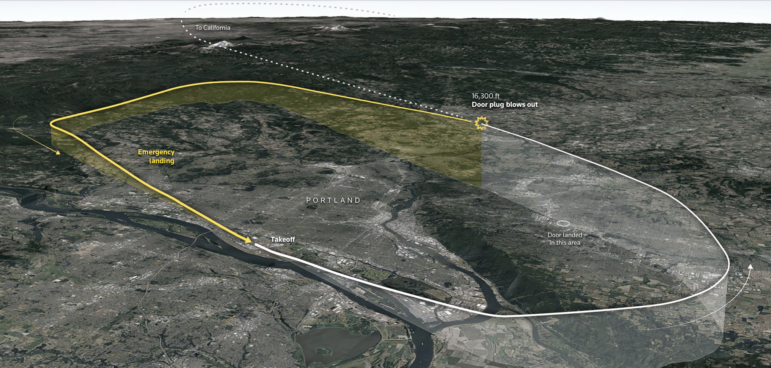
With pieces on the global campaign landscape, airplane accidents, European snowfall, and the toll of the ongoing Israel-Hamas conflict in Gaza.

Also featuring stories exposing political disinformation, human rights violations by police, online abuse of women, and exploitation of agriculture workers.

Covering elections as a political “horse race” has never been enough. This approach to campaign reporting is even more inadequate today, as autocrats and would-be autocrats use electoral systems to seize and dismantle the guardrails of democracies. Independent media and watchdog journalists have a vital role to play. It is key to dig beneath the […]

Three reporters from across the globe discussed the numerous looming threats to democracy — and shared tips for exposing the bad actors behind election disinformation and authoritarian attacks.

This week’s Top 10 Data Journalism stories curated by GIJN includes projects on Turkey’s toxic earthquake rubble, Eurovision song metrics, US migration from coastal cities, and world leaders’ heights.

A recent Reuters Institute webinar dug into a highly embarrassing, retracted investigation by India’s The Wire and also laid out best practices for investigative newsrooms to avoid both deliberate and unintentional source errors.
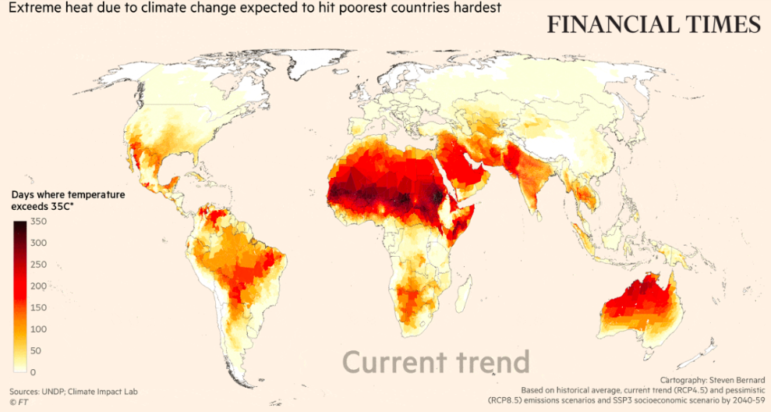
Our weekly curation of the most popular and engaging data journalism stories looks at Hollywood blockbuster diversity, how climate change drives global inequity, tracking US election deniers, and toxic tweets aimed at UK politicians.
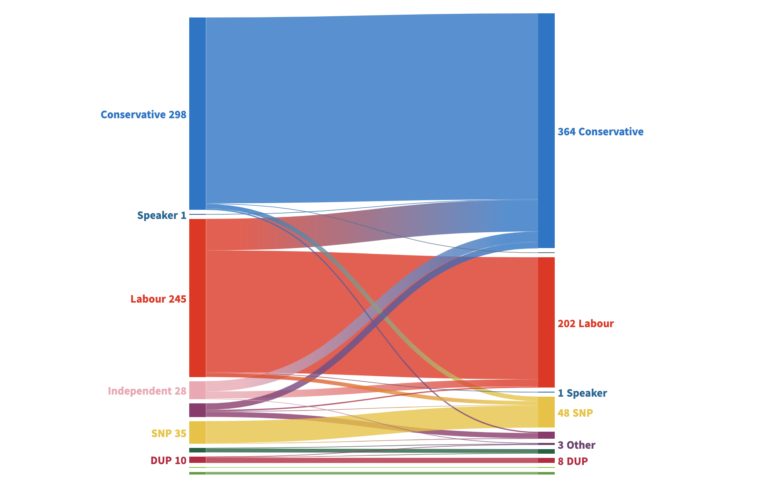
In Flourish’s recent webinar on effective elections and polling visualization, data journalist Mafe Callejón shared essential tips for building an interactive map from election results.

From stories examing potential conflicts of interest among lawmakers in Peru and the US, to a data story revealing the history of Queen Elizabeth II’s portrait on banknotes worldwide, our column features the best in data journalism. Also this week: the dangers of so-called celebratory gunfire, displacement in the Democratic Repubilc of Congo, and how the war in Ukraine has impacted children living in institutional care.
In 2001 GIJN was born, as investigative journalists from around the globe met for the very first time to share ideas, tips, and best practices to strengthen their reporting in a world where journalism was increasingly under threat.
Today the threat has multiplied, and at GIJN we find ourselves under the same pressures as our member organizations. Most urgently: available funding for investigative journalism has been impacted as some longtime funders who supported journalism in the past are no longer doing so or have closed. Yet our work continues, more important than ever before.
GIJN serves as the global hub for the world’s investigative reporters. Our core mission is to support and strengthen investigative journalism—with special attention to those from repressive regimes and marginalized communities.
We are embarking on our first-ever campaign initiative to help us expand our revenue by the end of the year through individual donors. If you have ever joined one of our free webinars, used one of our free resources, learned a new skill thanks to a GIJN training, or simply believe that press freedom is essential to civil society, we ask you to show your support for GIJN’s work with a donation of your choosing. Called “Friends of GIJN,” this campaign includes a more personalized experience, starting in 2027, for individuals who answer the call to join with us during this unprecedented time.
Truth and democracy are under attack around the world. You can fight back by helping GIJN support investigative journalists with free access to the latest tools and techniques — so they can foster justice and hold accountable those who abuse the public trust.
With a staff based in 24 countries, GIJN works in a dozen languages each day, linking together the world’s most enterprising journalists, offering state-of-the-art training, webinars, tip sheets, and a Help Desk that responds to 2,000+ requests for assistance each year. More than 84% of GIJN’s operating budget goes directly to our program work.
Please make a gift today to support journalists on the front lines of the fight for accountability and human rights.