

Data Journalism Top 10
Stolen US Indigenous Land, Mapping Red Sea Attacks, Amazon Deforestation, and the Global Motherhood Penalty
Data looks into illicit land grabbing in Hong Kong the boom in Carnival tourism in Brazil, and more.
Data looks into illicit land grabbing in Hong Kong the boom in Carnival tourism in Brazil, and more.

In this panel, leading climate change journalists and experts shared perspectives on the top priorities for investigative journalism on climate change.

This edition also features stories on satellites and the “new space race,” China’s missing overseas tourists, and using AI to communicate with animals.

Sigma Awards executive director talks with GIJN on how the data journalism has evolved and where it’s likely to go next.
GIJN convened a one-day meeting of 80 climate change journalists and experts from 35 countries to discuss the future role of investigative journalism in climate crisis reporting.
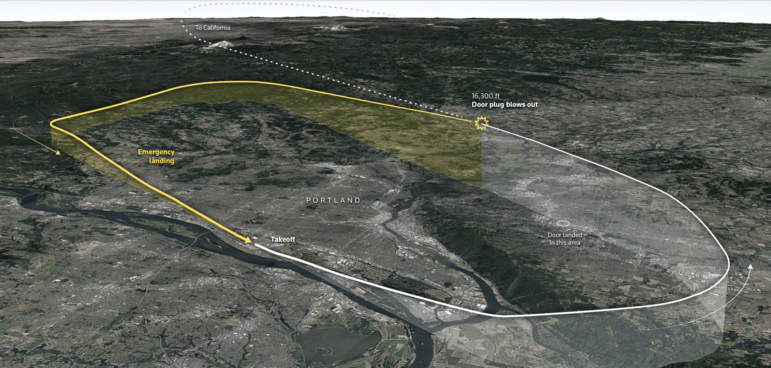
With pieces on the global campaign landscape, airplane accidents, European snowfall, and the toll of the ongoing Israel-Hamas conflict in Gaza.

How the team at Kontinentalist use data and creative data storytelling to tell nuanced stories that highlight the diversity of Asia.

Reporters in Ukraine face constant physical danger, but the war hasn’t prevented them from uncovering corruption and other misdeeds.
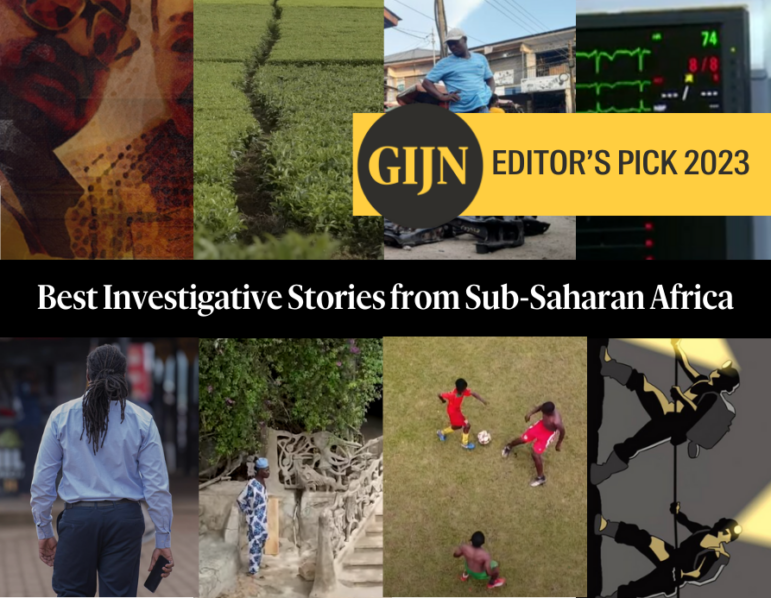
Journalists and media organizations from sub-Saharan Africa produced globally recognized, award-winning work in 2023.

Also featuring stories exposing political disinformation, human rights violations by police, online abuse of women, and exploitation of agriculture workers.
In 2001 GIJN was born, as investigative journalists from around the globe met for the very first time to share ideas, tips, and best practices to strengthen their reporting in a world where journalism was increasingly under threat.
Today the threat has multiplied, and at GIJN we find ourselves under the same pressures as our member organizations. Most urgently: available funding for investigative journalism has been impacted as some longtime funders who supported journalism in the past are no longer doing so or have closed. Yet our work continues, more important than ever before.
GIJN serves as the global hub for the world’s investigative reporters. Our core mission is to support and strengthen investigative journalism—with special attention to those from repressive regimes and marginalized communities.
We are embarking on our first-ever campaign initiative to help us expand our revenue by the end of the year through individual donors. If you have ever joined one of our free webinars, used one of our free resources, learned a new skill thanks to a GIJN training, or simply believe that press freedom is essential to civil society, we ask you to show your support for GIJN’s work with a donation of your choosing. Called “Friends of GIJN,” this campaign includes a more personalized experience, starting in 2027, for individuals who answer the call to join with us during this unprecedented time.
Truth and democracy are under attack around the world. You can fight back by helping GIJN support investigative journalists with free access to the latest tools and techniques — so they can foster justice and hold accountable those who abuse the public trust.
With a staff based in 24 countries, GIJN works in a dozen languages each day, linking together the world’s most enterprising journalists, offering state-of-the-art training, webinars, tip sheets, and a Help Desk that responds to 2,000+ requests for assistance each year. More than 84% of GIJN’s operating budget goes directly to our program work.
Please make a gift today to support journalists on the front lines of the fight for accountability and human rights.