Data Journalism GIJC23
Expert Tips for Journalists on Building Your Own Datasets
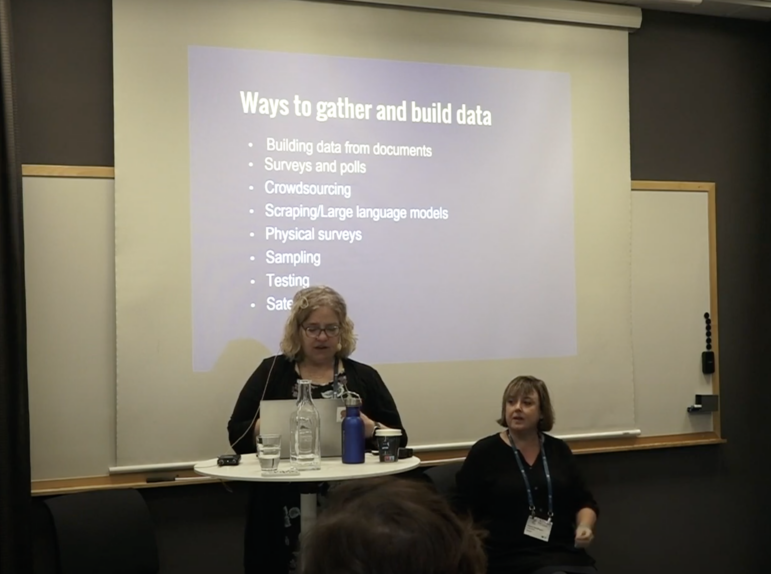
What do you do when you don’t get the dataset you need from authorities, or it doesn’t exist? Two experts provided tips at GIJC23.
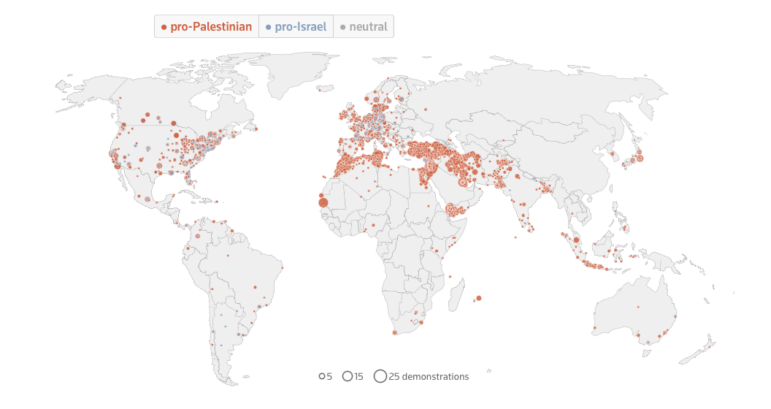
Our roundup features stories about airstrikes in Gaza, Haiti’s gang problem, carbon “bombs,” and blocking ChatGPT crawlers.
Knowing where to look for data — and accessing it via scraping data from websites — can be a powerful force multiplier for investigative journalists.
Here, Jane Lytvynenko, investigative reporter and an instructor for GIJN’s Digital Threats course, talks about how to start investigating online manipulation.
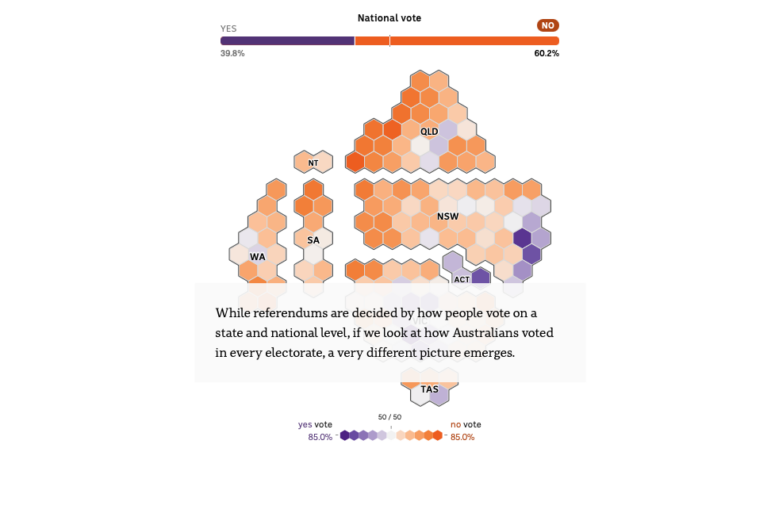
Featuring the first-round results of Argentina’s presidential election and a closer read of Australia’s “No” vote on Indigenous recognition.
Concluding the data track of GIJC23, here’s a discussion on the tools that are coming to the forefront for doing data stories and predictions for what is ahead.
Have you been curious about working with data but haven’t taken that first step? Here’s a great opportunity — we have three of the best data trainers in the biz who know how to get you started. In this introductory session, you’ll learn how to use Google Sheets to do some basic analysis — and […]
In this introductory session, you’ll learn how to use Google Sheets to do basic analysis — and leave with the ability to do quick data work for daily stories or longer-term projects.
Pinpoint is a powerful tool for converting unstructured data (text and other forms of messy data) into datasets that can be analyzed and used for stories.
At a time of unprecedented attacks on the press, it is critical to understand what impact means, why it matters, and how journalists can increase it.