
10 Questions
Finding Joy in the Public Service of Journalism
Citra Dyah Prastuti reflects on her 24 years with KBR, Indonesia’s public radio broadcaster, and on centering public service, joy, and rigorous journalism in every story.
Citra Dyah Prastuti reflects on her 24 years with KBR, Indonesia’s public radio broadcaster, and on centering public service, joy, and rigorous journalism in every story.
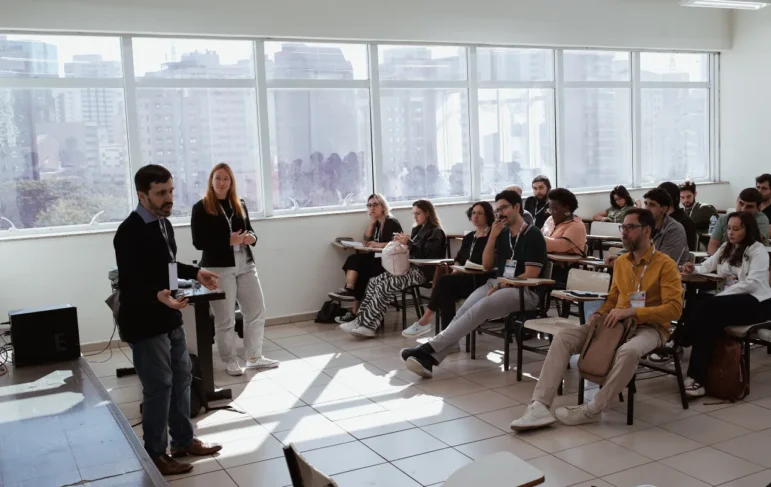
Journalist Léo Arcoverde started a blog in 2015 publishing one story a day based on information obtained through Brazil’s new access-to-information law. The initiative eventually became Fiquem Sabendo.
This course, back by popular demand, is built around collecting both qualitative and quantitative data, digital research, and information extraction, and will enable participants to strengthen their investigations and diversify their sources.

Also highlighting coverage of Nvidia’s role in financing AI companies, how US adults engage with AI chatbots, and a story investigating children’s care homes in the UK.
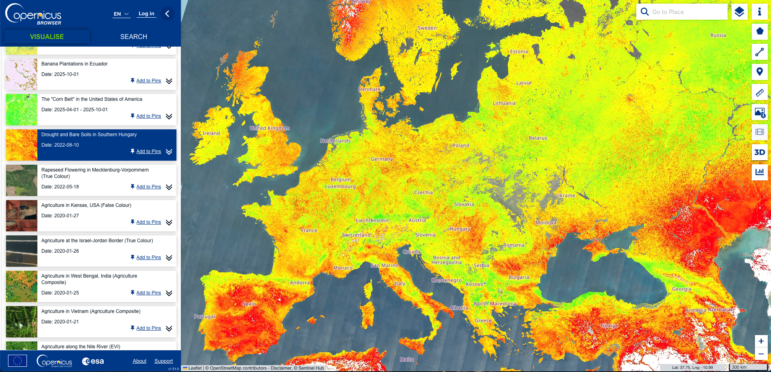
This tipsheet offers practical, step-by-step advice on how to identify stories from Sentinel satellite data in the Copernicus Browser and build compelling investigations around it.

Using both public info and business listings on Google, reporters can mine georeferenced data to examine potential public health harms and socioeconomic disparities of communities.
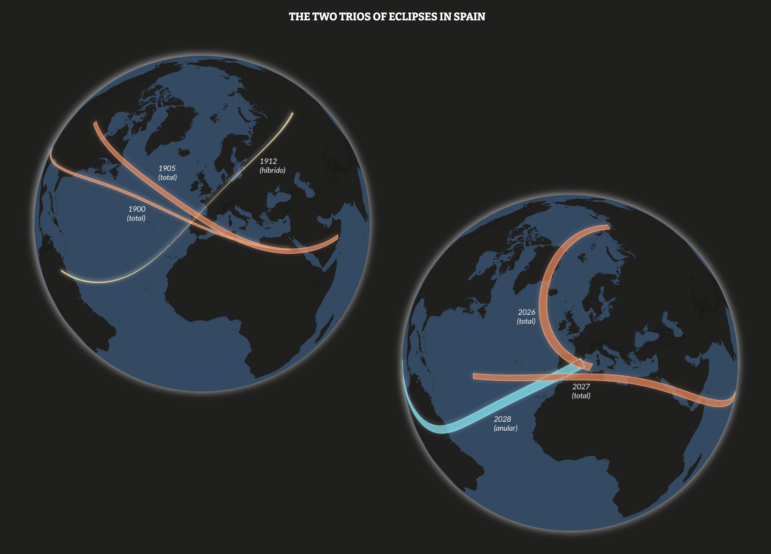
Also highlighting overcrowding in ICE detention facilities, foreign-owned natural resources in Argentina, and mapping the journeys in classic novels.
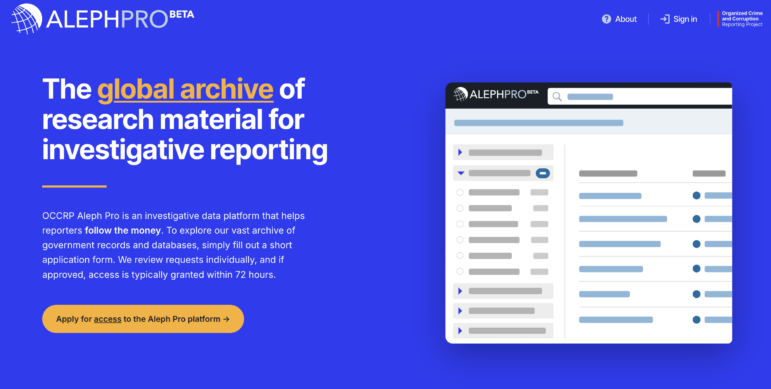
A step-by-step guide to using Aleph Pro, the latest iteration of OCCRP’s data platform, offering access to a massive trove of property and financial documents, as well as other records.
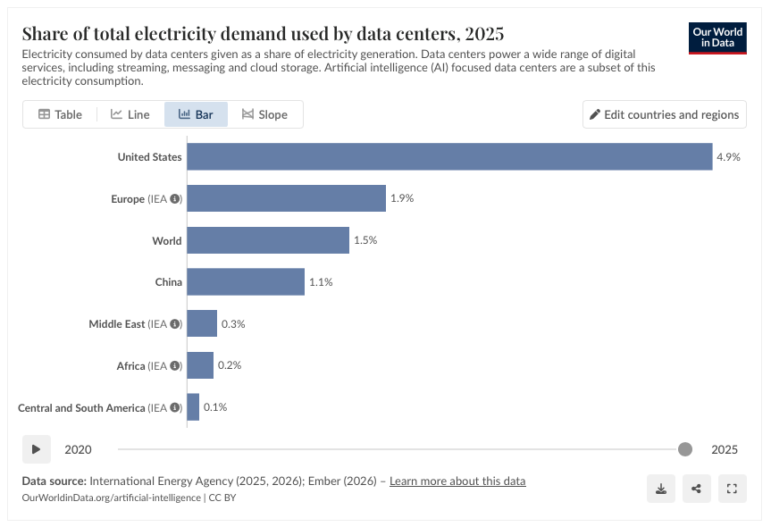
This latest Top 10 in Data Journalism column also highlights rising drug-related deaths in Berlin, heatwave fatalities in Europe, and Hong Kong’s rapidly aging population.
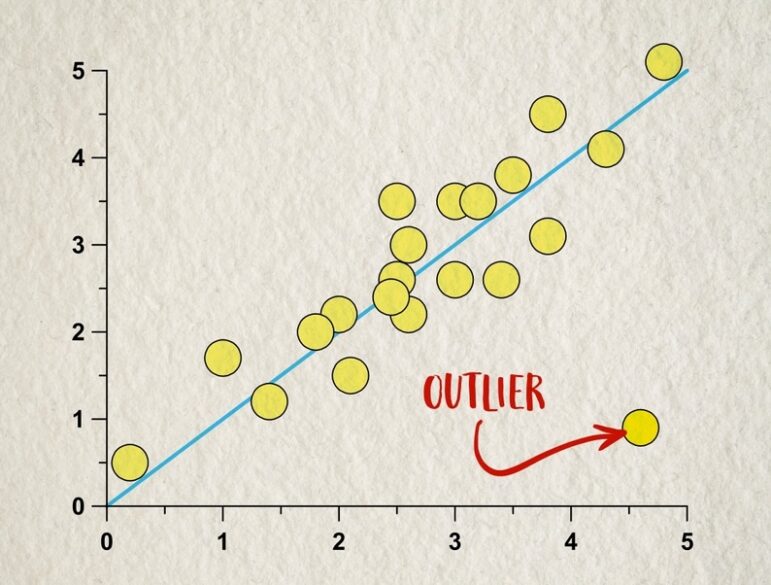
One often overlooked approach for accountability reporting involves side-by-side comparisons between successful and failing institutions with near-identical resources.
In 2001 GIJN was born, as investigative journalists from around the globe met for the very first time to share ideas, tips, and best practices to strengthen their reporting in a world where journalism was increasingly under threat.
Today the threat has multiplied, and at GIJN we find ourselves under the same pressures as our member organizations. Most urgently: available funding for investigative journalism has been impacted as some longtime funders who supported journalism in the past are no longer doing so or have closed. Yet our work continues, more important than ever before.
GIJN serves as the global hub for the world’s investigative reporters. Our core mission is to support and strengthen investigative journalism—with special attention to those from repressive regimes and marginalized communities.
We are embarking on our first-ever campaign initiative to help us expand our revenue by the end of the year through individual donors. If you have ever joined one of our free webinars, used one of our free resources, learned a new skill thanks to a GIJN training, or simply believe that press freedom is essential to civil society, we ask you to show your support for GIJN’s work with a donation of your choosing. Called “Friends of GIJN,” this campaign includes a more personalized experience, starting in 2027, for individuals who answer the call to join with us during this unprecedented time.
Truth and democracy are under attack around the world. You can fight back by helping GIJN support investigative journalists with free access to the latest tools and techniques — so they can foster justice and hold accountable those who abuse the public trust.
With a staff based in 24 countries, GIJN works in a dozen languages each day, linking together the world’s most enterprising journalists, offering state-of-the-art training, webinars, tip sheets, and a Help Desk that responds to 2,000+ requests for assistance each year. More than 84% of GIJN’s operating budget goes directly to our program work.
Please make a gift today to support journalists on the front lines of the fight for accountability and human rights.