Data Journalism
How Non-Coding Journalists Can Build Web Scrapers With AI — Examples and Prompts Included
With basic web knowledge, guidance, and examples, even non-coding journalists can build a scraper with large language models.
Since 2020, the exiled outlet’s investigations have led to approximately 90 sanction actions, proving how journalism can make a real impact on authoritarian regimes.
As part of its Ground Truths collaborative project, a group of Pulitzer Center-sponsored journalists uncovered how foreign agribusiness companies are impacting Laos.
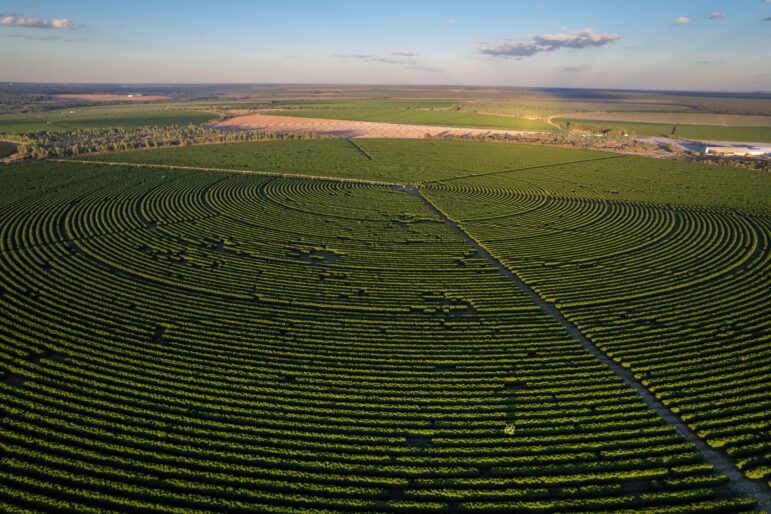
Investment funds issued to finance Brazil’s agribusiness sector bundle various bonds — some of them labeled “green” — but are tied to socio-environmental violations or potential land grabbing.
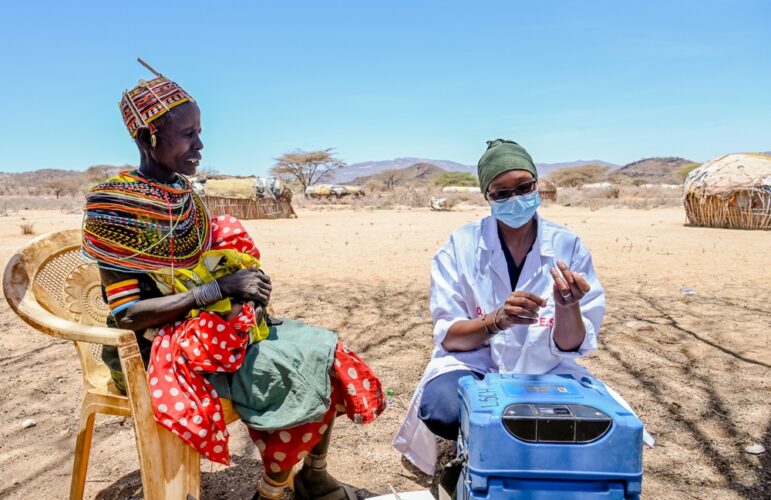
Verah Okeyo and Anne Mawathe were frustrated with newsroom constraints and envisioned producing deeply reported stories that communities and policymakers could not ignore.
Bellingcat ran a series of geolocation challenges using two dozen popular AI platforms, with varying results.
The changes represent a methodological overhaul of the initiative, which launched in 2018 and now brings together 42 media outlets from different parts of Brazil that work collaboratively.
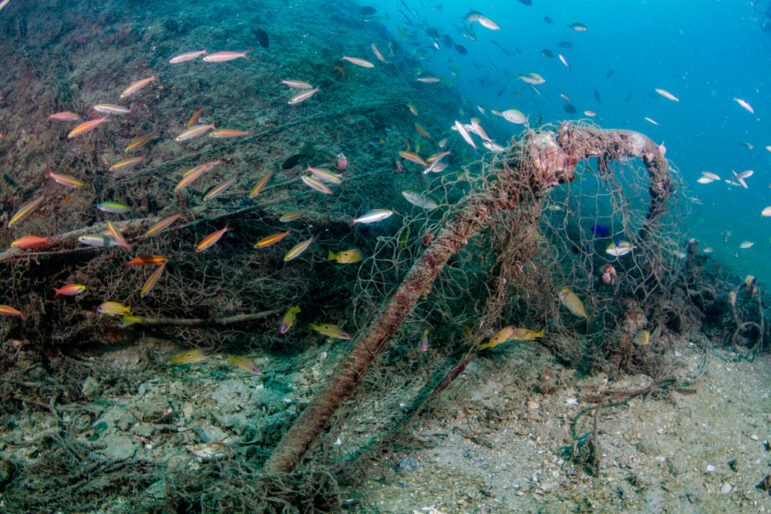
Using artificial intelligence and synthetic aperture satellite technology, investigators can better identify and document illicit activity at sea.
Co-founded by two journalists, InfoNile has grown into a sprawling ecosystem of cross-border investigations, multimedia storytelling, and data-driven reporting.
Mongabay Latam hopes to reach new audiences by taking its award-winning investigation to the theatre, using ‘stand-up journalism’ to tell the story behind the stories.