

Climate News & Analysis
The Rise of African Environmental Investigative Journalism
Investigative journalism of environmental issues has grown substantially in recent years in Africa, thanks to a number of new initiatives and reporting projects.
Investigative journalism of environmental issues has grown substantially in recent years in Africa, thanks to a number of new initiatives and reporting projects.

Our weekly NodeXL and human curation of the most popular data journalism stories on Twitter features The Financial Times’ 10 charts visualizing developments in the United Kingdom during Elizabeth’s reign, The Marshall Project’s look at how government Covid-19 relief funds were used, and Taiwan Data Stories’ scrollytelling project about Taiwan’s iconic street food.
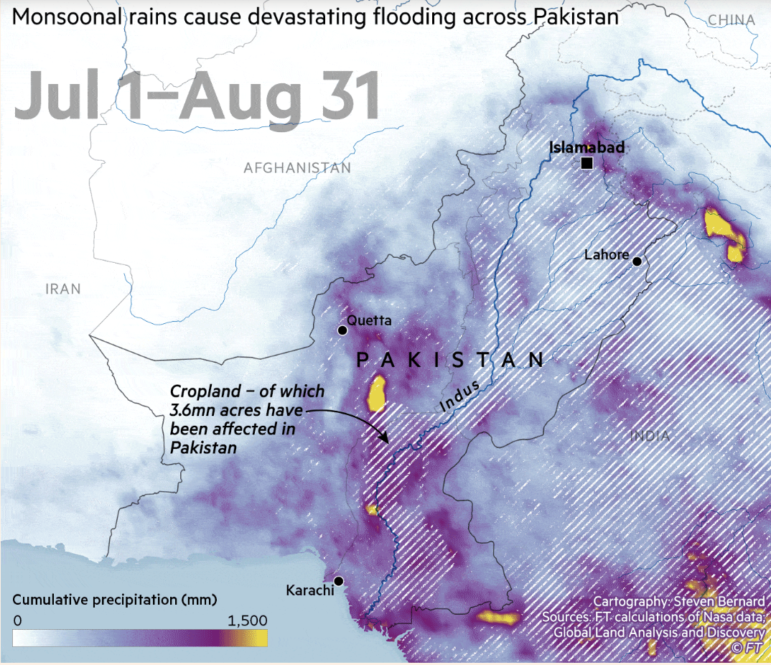
This week’s Top 10 in Data Journalism features the carbon footprint of celebrity jets, the unsanctioned destruction of the Amazon, secret documents seized from Trump, massive Pakistan flooding, and a look into the history of memes.
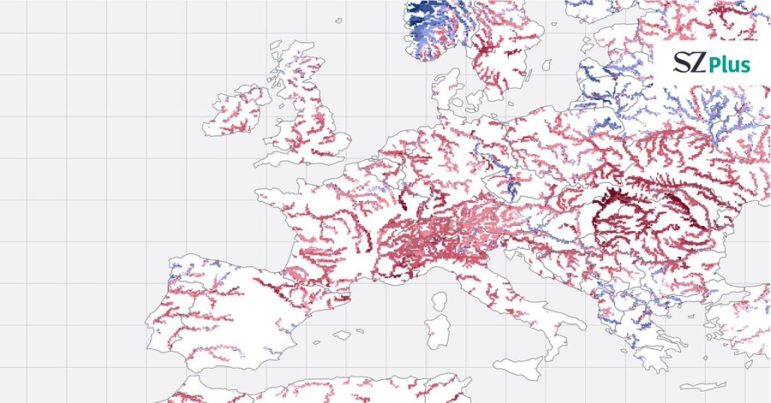
Our weekly analysis of the most popular data journalism stories on Twitter features the mapping of Europe’s drought-stricken rivers, NASA’s plans to return to the moon, how the war in Ukraine compares to other modern conflicts, tracking a stolen truck, and examining Chinese censorship of foreign content with edited episodes of The Big Bang Theory.

Our weekly analysis of the most popular data journalism stories on Twitter spotlights a Bloomberg investigation on Google search results for abortion, a story on the impact of state meddling in the finances of Canada’s Indigenous First Nations, data revealing a crisis in accident and emergency services in England, heat wave predictions for the year 2053 in the US, and for the film fans, a network visualization of the Marvel Cinematic Universe.

This week’s Data Journalism Top 10 features a dive into the murky market for vehicle data, an analysis of the deteriorating quality of education in poorer countries, a piece on how higher temperatures affect our lives, and fact-checking India’s encounter killings.
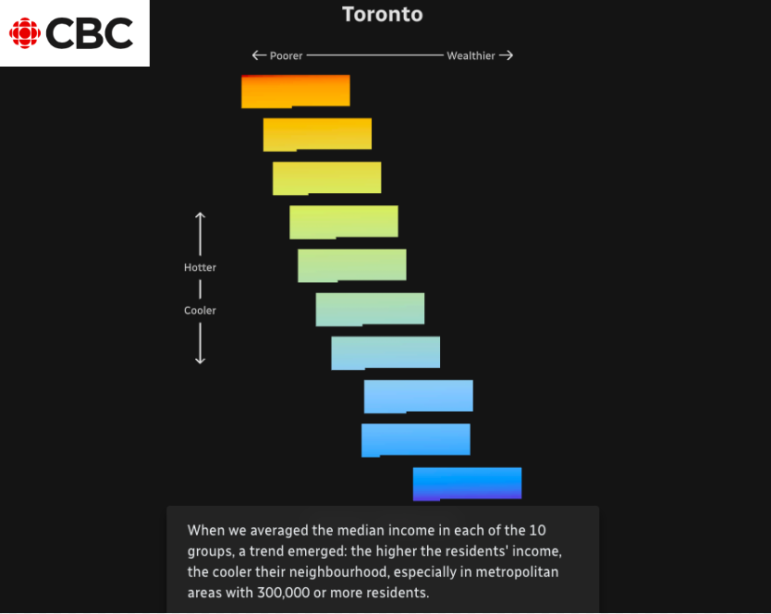
As parts of the world endure record-breaking temperatures, a highlight from the world of data journalism this week involves an analysis of how “heat islands” in Canadian cities vary based on economic strata. Our weekly Top Ten in Data Journalism also looks at the global spread of Pegasus spyware, digital inequity in the US, and how the COVID-19 pandemic affects school children in Latin America.

For journalists, explaining the causes and consequences of rising sea levels is a critical and challenging assignment. To address this aspect of the climate crisis, GIJN is publishing an extensive guide to support journalists covering the impact of rising seas around the world.
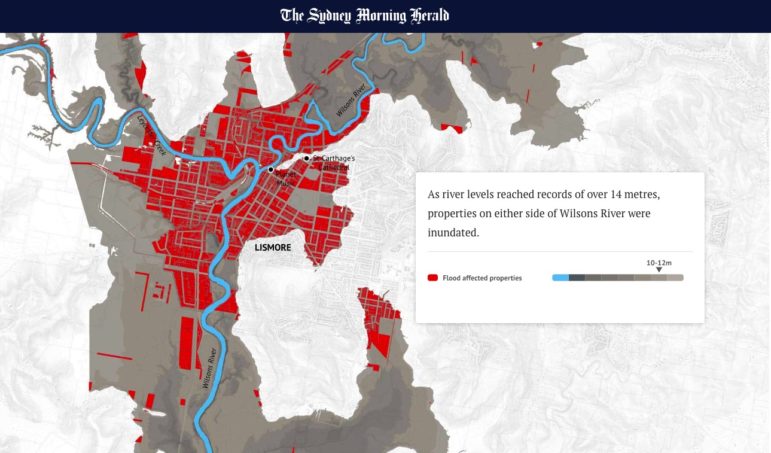
This week’s Top 10 in Data Journalism digs into noise pollution in megacities, the trade in stolen Ukrainian grain, Russian state propaganda about its invasion, abortion access in the United States, and devastating floods in Australia.
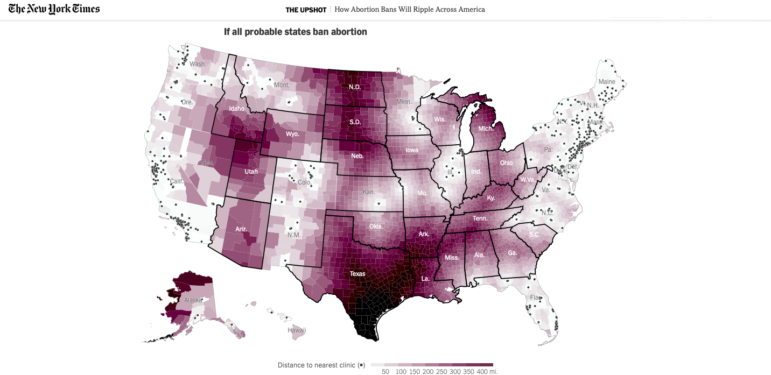
This week’s Top 10 in Data Journalism looks at the impact of the Dobbs US Supreme Court ruling on travel time for women seeking an abortion in the US, China’s intensifying surveillance on its population, the impact of heat waves on fragile populations in Germany, the state of the Russian army after four months of war, and the gender inequity in speeches in the Zurich Parliament.