

GIJC25
5 Tips on How to (More) Safely Investigate in Authoritarian States
Four journalists working in authoritarian countries or regions where democracy is backsliding offer their advice on how to deal with the reporting challenges.
Four journalists working in authoritarian countries or regions where democracy is backsliding offer their advice on how to deal with the reporting challenges.

To mark the 30th anniversary of the United Nations’ World Press Freedom Day, GIJN shares some experiences of investigative journalists facing the biggest challenges and threats around the world.

The National Press Club recently hosted a panel of cybersecurity and digital experts to discuss the latest in government internet shutdowns and online censorship — and how journalists can work around these challenges.

For the inaugural post in our new interview series about investigative reporters operating in tough press freedom environments around the world, GIJN speaks to Vinod K. Jose, executive editor of India’s premier long-form journalism magazine, The Caravan. He tells us about the challenges of leading an intrepid team in the face of rising autocracy in the world’s largest democracy.

US-based nonprofit Freedom House released its latest annual study of global internet freedom yesterday, titled Freedom on the Net 2022: Countering an Authoritarian Overhaul of the Internet.
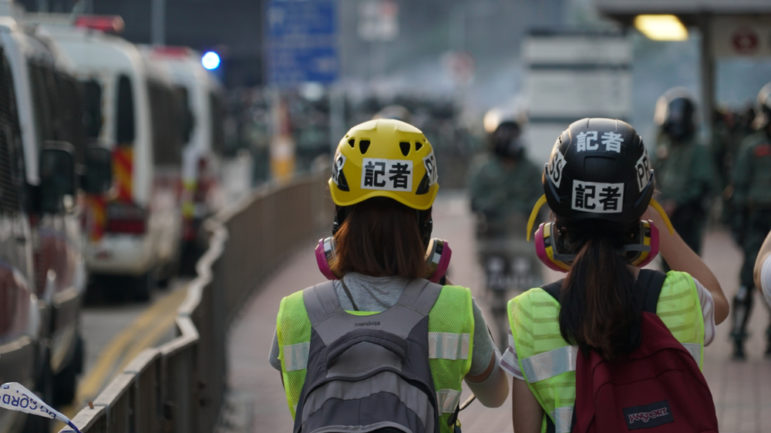
Conditions for journalists in authoritarian countries are challenging and often dangerous. In light of these challenges, journalists and donors need to widen their understanding of the less traditional ways journalism generates impact.
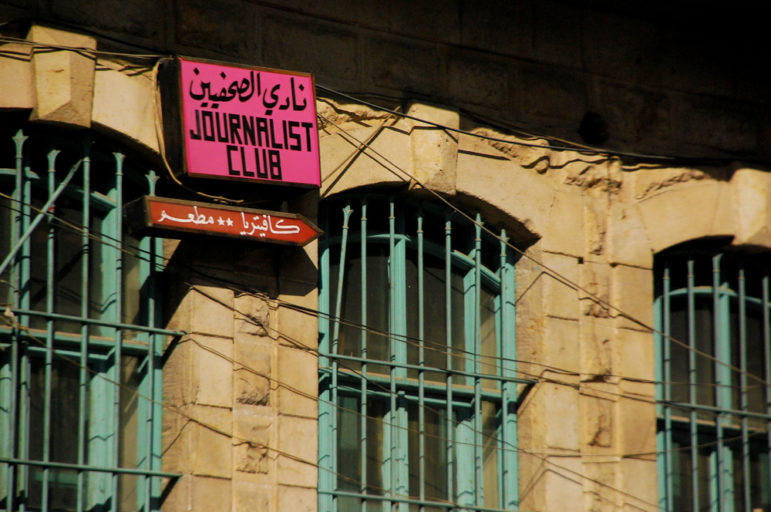
Intrepid journalists are still conducting investigations on countries within the Arab Gulf region, but due to political repression and other press freedom issues, they’ve had to report from afar or build and operate their independent media sites while in exile.

To share best practices and other lessons learned from our most recent global conference, we are releasing a series of videos from the event’s many seminars, panels, and workshops. This latest installment focuses on reporting tips and collaborations in the Asia-Pacific region and insights for reporting in China.

In a GIJN webinar three journalists who have experience reporting on the #MeToo movement and sexual abuse told reporters how to investigate an often-hidden crime. Among their tips are preparing interviewees for the process, investigating the story doggedly, and using alternative forms of evidence to verify your story. Read these and other tips for investigating sexual abuse allegations in GIJN’s latest tipsheet.
In 2001 GIJN was born, as investigative journalists from around the globe met for the very first time to share ideas, tips, and best practices to strengthen their reporting in a world where journalism was increasingly under threat.
Today the threat has multiplied, and at GIJN we find ourselves under the same pressures as our member organizations. Most urgently: available funding for investigative journalism has been impacted as some longtime funders who supported journalism in the past are no longer doing so or have closed. Yet our work continues, more important than ever before.
GIJN serves as the global hub for the world’s investigative reporters. Our core mission is to support and strengthen investigative journalism—with special attention to those from repressive regimes and marginalized communities.
We are embarking on our first-ever campaign initiative to help us expand our revenue by the end of the year through individual donors. If you have ever joined one of our free webinars, used one of our free resources, learned a new skill thanks to a GIJN training, or simply believe that press freedom is essential to civil society, we ask you to show your support for GIJN’s work with a donation of your choosing. Called “Friends of GIJN,” this campaign includes a more personalized experience, starting in 2027, for individuals who answer the call to join with us during this unprecedented time.
Truth and democracy are under attack around the world. You can fight back by helping GIJN support investigative journalists with free access to the latest tools and techniques — so they can foster justice and hold accountable those who abuse the public trust.
With a staff based in 24 countries, GIJN works in a dozen languages each day, linking together the world’s most enterprising journalists, offering state-of-the-art training, webinars, tip sheets, and a Help Desk that responds to 2,000+ requests for assistance each year. More than 84% of GIJN’s operating budget goes directly to our program work.
Please make a gift today to support journalists on the front lines of the fight for accountability and human rights.