
GIJC25
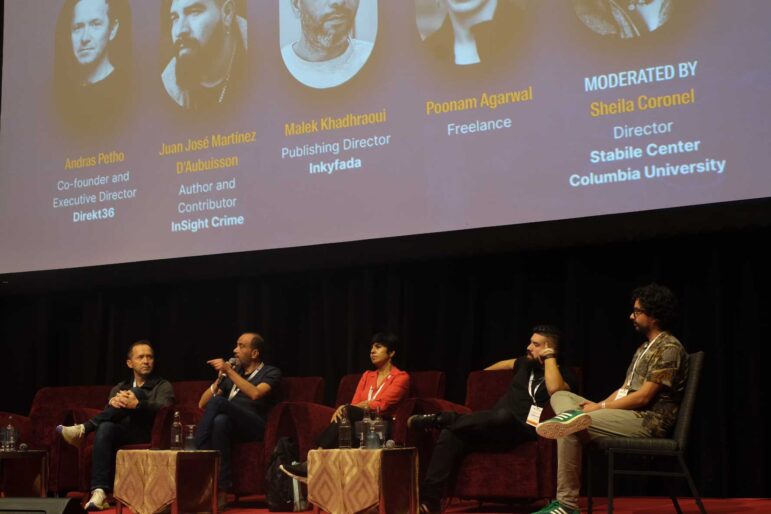
5 Tips on How to (More) Safely Investigate in Authoritarian States
Four journalists working in authoritarian countries or regions where democracy is backsliding offer their advice on how to deal with the reporting challenges.
Four journalists working in authoritarian countries or regions where democracy is backsliding offer their advice on how to deal with the reporting challenges.
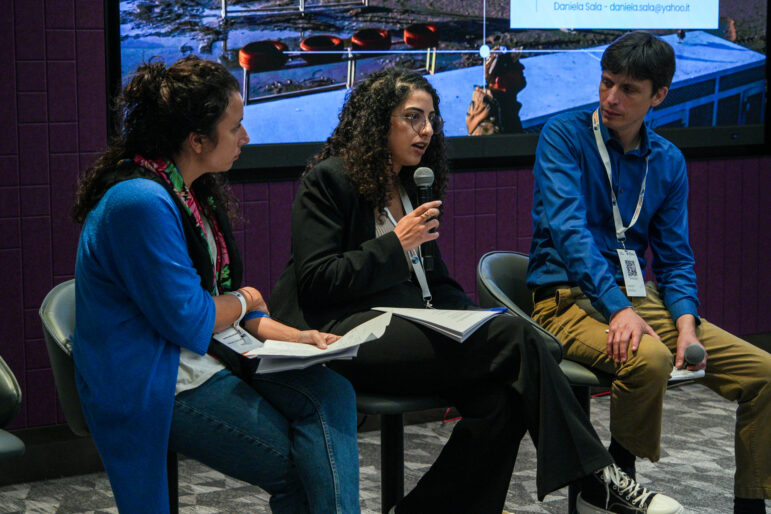
Multimedia investigations across Africa and the Middle East highlight the links between environmental damage and public health, while seeking to expose who is responsible.

An All-Asian GIJC25 keynote panel discussed how the continent’s reporters have bravely exposed corruption scandals while facing exile, harassment, attacks, and threats of imprisonment.
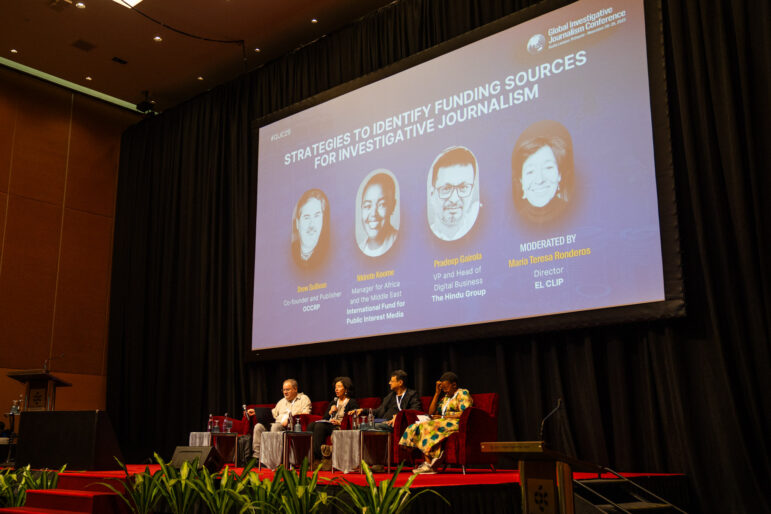
Nonprofit news outlets must put extra emphasis on audience engagement, out-of-the-box solutions, and communicating to potential donors their unique value to democracy.

Narrative podcasts have become a transformative tool for investigative reporting. At GIJC, editors and producers unpacked how journalists can tap into its power.
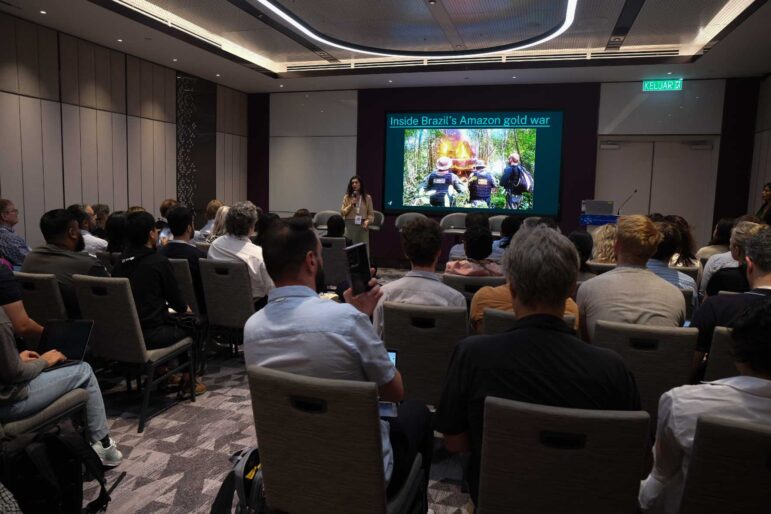
Experts on reporting on illegal mining in Zimbabwe, Brazil, and Turkey shared tips on building sources on the ground, establishing trust, and telling a well-rounded story.

Ukrainian newsrooms combine OSINT, satellite imagery, and intercepted conversations to report on frontline regions that are off limits due to the war.

In her keynote address, the Rappler CEO issued an urgent call for the investigative reporting community to embrace creative solutions in pursuit of the facts and a sustainable future.
New tools and innovative approaches are needed to investigate the recurring problems and real-world impact of AI and emerging technologies.
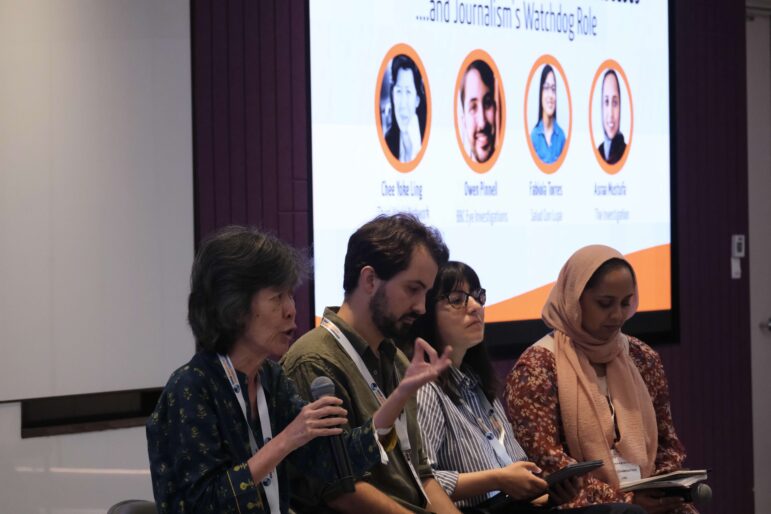
A pre-conference panel hosted by The Examination connected the deadly impact of corporate practices to the chronic diseases killing millions of people each year.

The Sigma Awards celebrate the best data journalism from around the world. Submissions are now open for data projects published in 2025.
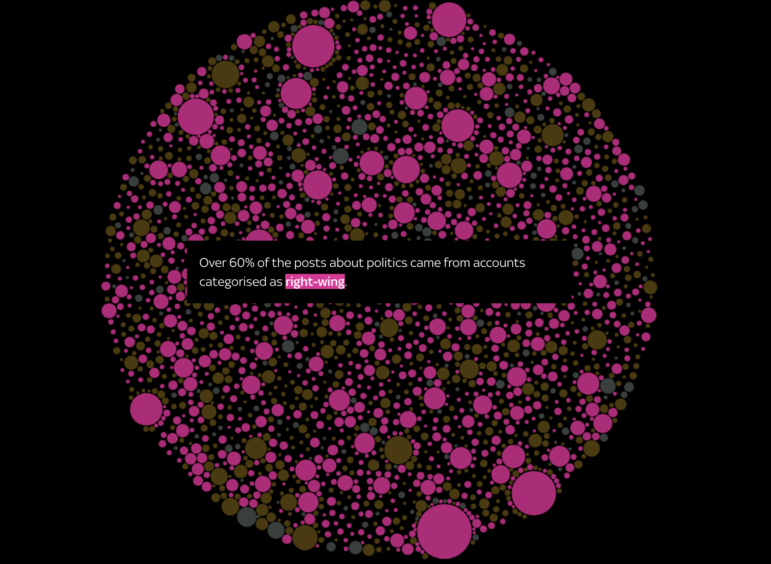
Our round-up also highlights which countries are following through on their climate change commitments, a deep-dive into the challenges facing Saudi Arabia’s vertical city, and modelling whether today’s AI boom is headed for a dot-com style crash.

Understanding, organizing, and validating data directly affects the accuracy of stories. New tools make cleaning accessible to journalists without coding.

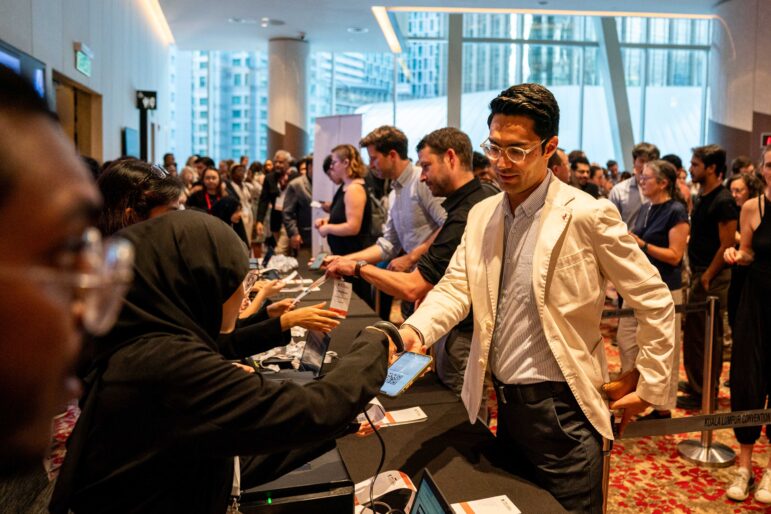
As GIJN’s biennial global conference prepares to kick off, here are some travel and logistics tips to help attendees get the most out of their experience in Malaysia.

More than 455 attendees representing 45 countries, 37 of them in Africa, attended Africa’s premier investigative journalism conference at Wits University.

Two new digital platforms seek to solve many of the problems and vulnerabilities that prevent whistleblowers from coming forward.

Full, unpaywalled access to public records reporting is not only good for democracy, it can increase reader trust and bolster sustainability.
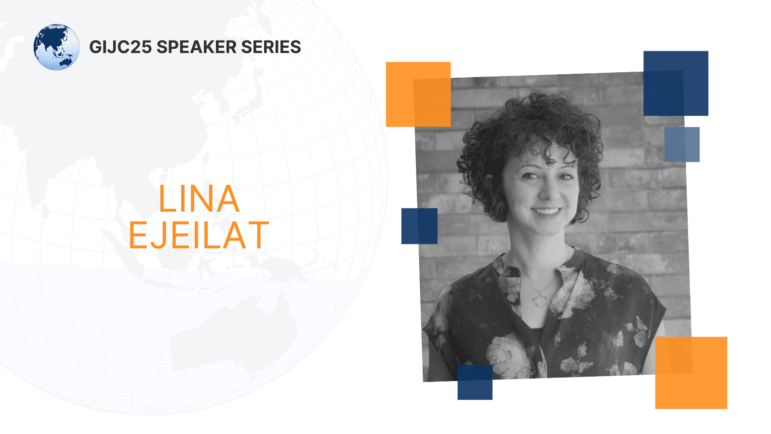
GIJC25 speaker Lina Ejeilat co-launched 7iber as a blog in 2007 and it has grown into an award-winning investigative site covering Jordan and the Middle East.
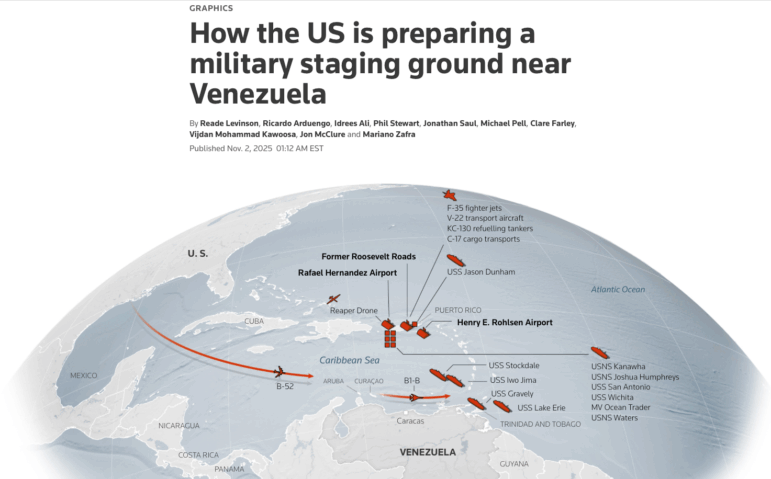
Our round-up of the best in recent data journalism also features stories on wildfire prevention blackouts in California, and how sleep deprivation affects residents in war-torn Ukraine.
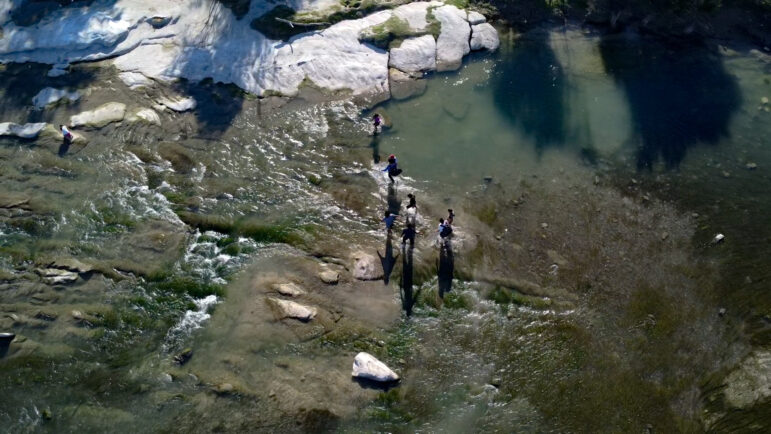
This transnational collaborative project investigating US-Mexico border deaths won the 2025 Gabo Award, with judges praising its “investigative rigor” and “innovative approach.”

Investigations by independent journalists like Pablo Torre are a clear example of the growing need for bottom-up, citizen journalism — particularly given US media industry trends.

Alumni of GIJN’s four Digital Threats training courses have produced a number of exposés on online scams and political disinformation, from India to Kenya to the Philippines.

GIJN’s member organizations re-elected four current board members whose terms expired in 2025, and also voted in three new board members.
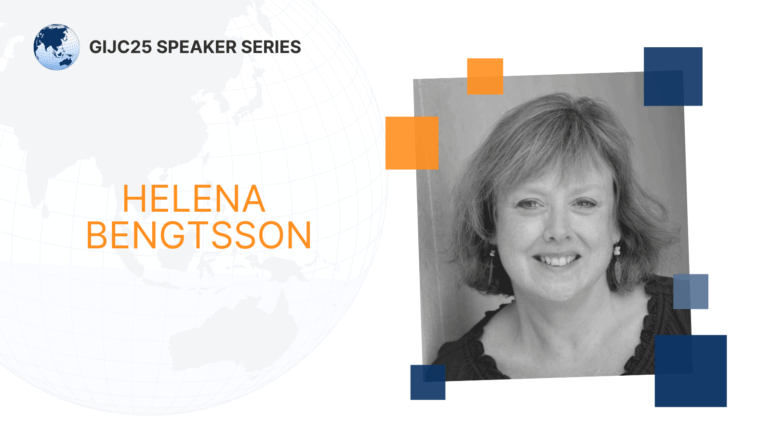
Data editor Helena Bengtsson once asked the national statistics agency to cross-match a teachers database with another featuring court convictions. The findings led to a change in Swedish law.

With basic web knowledge, guidance, and examples, even non-coding journalists can build a scraper with large language models.

The four-day event will showcase 25 feature-length and short-form documentaries that shine new narrative light on urgent topics in North America and far beyond.
Networking in journalism, especially investigative journalism, is not merely about establishing superficial contacts but about building a trust-based, ethical, and resilient professional community.

Type Investigations goes behind the scenes of a recent exposé on how hospitals are turning to medical deportations of undocumented patients in the United States.
In 2001 GIJN was born, as investigative journalists from around the globe met for the very first time to share ideas, tips, and best practices to strengthen their reporting in a world where journalism was increasingly under threat.
Today the threat has multiplied, and at GIJN we find ourselves under the same pressures as our member organizations. Most urgently: available funding for investigative journalism has been impacted as some longtime funders who supported journalism in the past are no longer doing so or have closed. Yet our work continues, more important than ever before.
GIJN serves as the global hub for the world’s investigative reporters. Our core mission is to support and strengthen investigative journalism—with special attention to those from repressive regimes and marginalized communities.
We are embarking on our first-ever campaign initiative to help us expand our revenue by the end of the year through individual donors. If you have ever joined one of our free webinars, used one of our free resources, learned a new skill thanks to a GIJN training, or simply believe that press freedom is essential to civil society, we ask you to show your support for GIJN’s work with a donation of your choosing. Called “Friends of GIJN,” this campaign includes a more personalized experience, starting in 2027, for individuals who answer the call to join with us during this unprecedented time.
Truth and democracy are under attack around the world. You can fight back by helping GIJN support investigative journalists with free access to the latest tools and techniques — so they can foster justice and hold accountable those who abuse the public trust.
With a staff based in 24 countries, GIJN works in a dozen languages each day, linking together the world’s most enterprising journalists, offering state-of-the-art training, webinars, tip sheets, and a Help Desk that responds to 2,000+ requests for assistance each year. More than 84% of GIJN’s operating budget goes directly to our program work.
Please make a gift today to support journalists on the front lines of the fight for accountability and human rights.