

GIJC25
More Than 300 Media Experts from Around the World to Speak at GIJC25
GIJC25 will feature an esteemed line-up of journalism veterans, data gurus, and subject matter experts from nearly 100 countries.
GIJC25 will feature an esteemed line-up of journalism veterans, data gurus, and subject matter experts from nearly 100 countries.

Nominations are now open for three regional representatives, and for four at-large director positions on the organization’s board.

Joseph Poliszuk — co-founder of Venezuela’s Armando.info — has spent years investigating illegal mining and drug trafficking. He speaks to GIJN ahead of his appearance at GIJC25 in Malaysia.
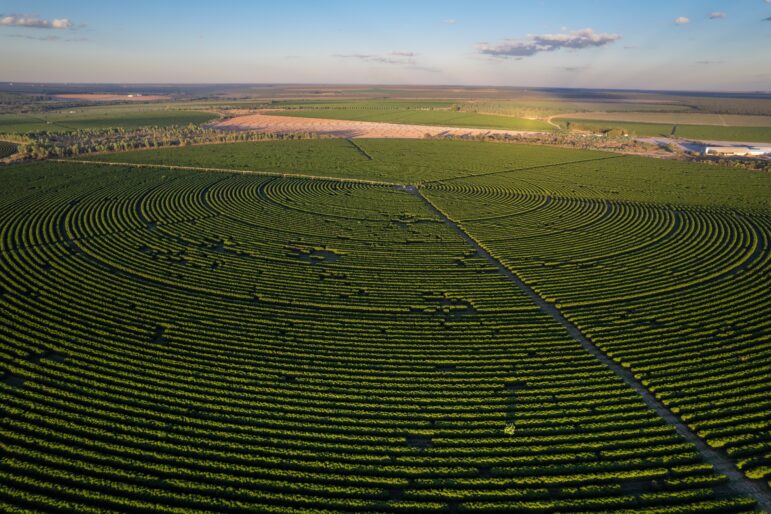
Investment funds issued to finance Brazil’s agribusiness sector bundle various bonds — some of them labeled “green” — but are tied to socio-environmental violations or potential land grabbing.
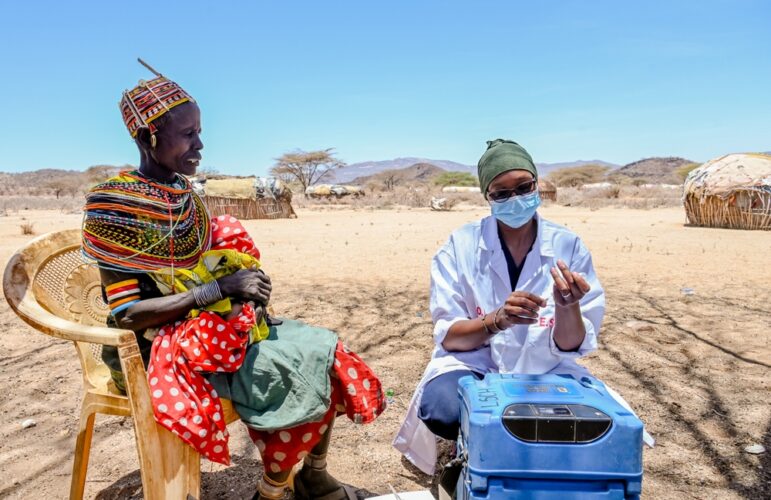
Verah Okeyo and Anne Mawathe were frustrated with newsroom constraints and envisioned producing deeply reported stories that communities and policymakers could not ignore.
With 15 different conference tracks and more than 150 planned sessions and workshops, GIJC25 will feature a wealth of esteemed journalists, data gurus, and subject matter experts.

The team used leaked documents and an interview with the AI tool’s developer to reveal numerous mistakes behind the Trump administration’s cost-cutting measures of veterans’ care.
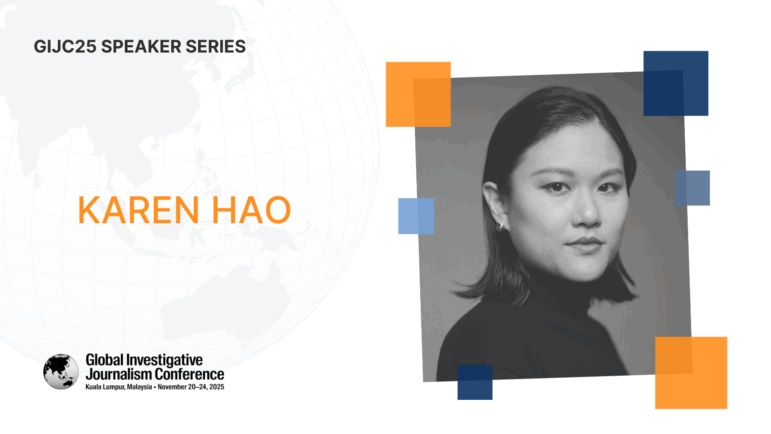
Karen Hao — one of the world’s leading voices on the impacts and potential harms of artificial intelligence — speaks to GIJN ahead of her appearance at GIJC25 in Malaysia.
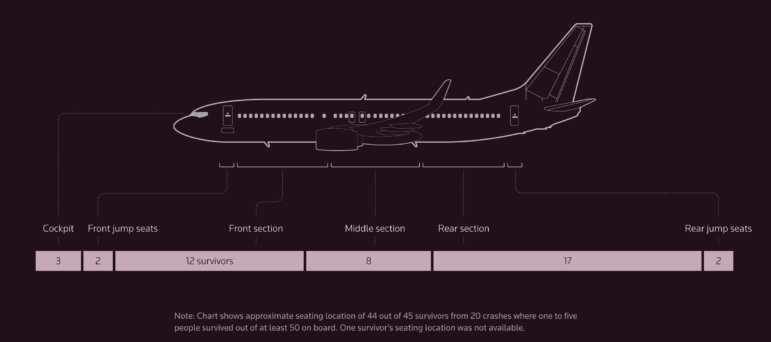
Our latest round-up of the best in data journalism also features stories on Xi Jinping’s military purge and climate change-fueled flooding in Pakistan.

Researchers at the University of Wisconsin-Milwaukee offer insights into sources and techniques for investigating water usage by major tech companies’ data centers.

Bellingcat ran a series of geolocation challenges using two dozen popular AI platforms, with varying results.
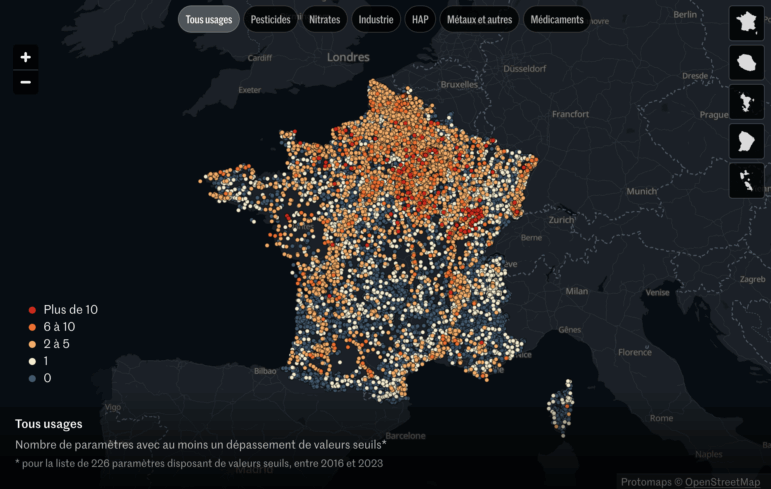
The French investigative reporter and data journalist shares the methods behind her team’s major investigation into Europe’s polluted groundwater crisis.
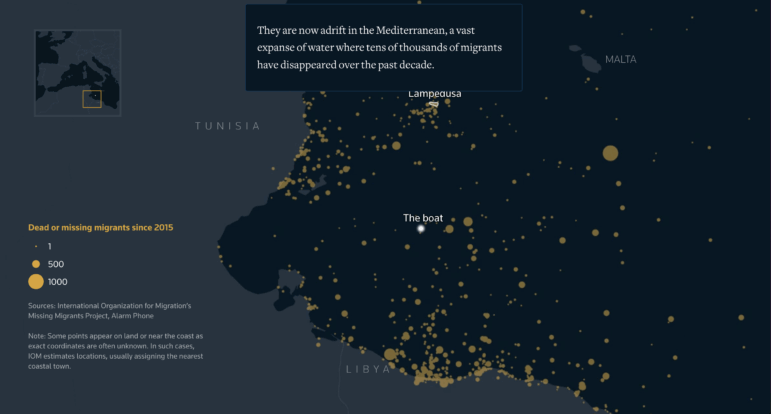
Our round-up of the best in recent data journalism also features stories from Japan, Nigeria, Gaza, and Namibia.

GIJN sat down with newsroom leaders from the Investigative Reporting Project Italy (IRPI) to discuss the group’s history, its current business model, and where it plans to go next.

The program lineup of more than 300 speakers will include the best in the business: award winners, data gurus, innovative editors, and experts on urgent investigative topics.

The changes represent a methodological overhaul of the initiative, which launched in 2018 and now brings together 42 media outlets from different parts of Brazil that work collaboratively.
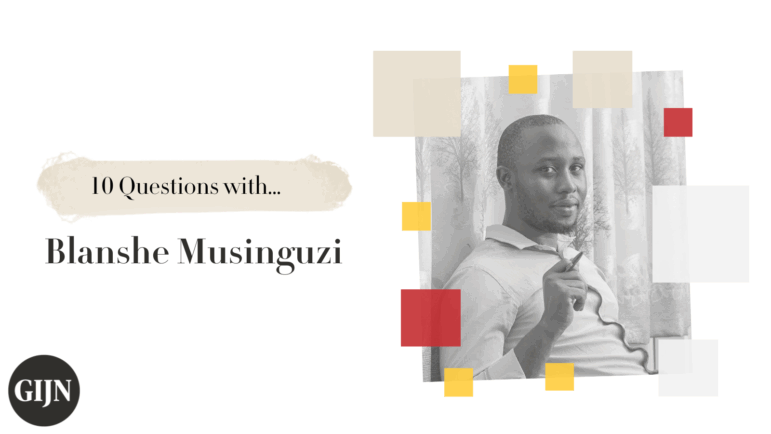
Blanshe Musinguzi’s award-winning investigation focused on timber smuggling in East Africa. He talks with GIJN about his career so far, and what he’s learned along the way.
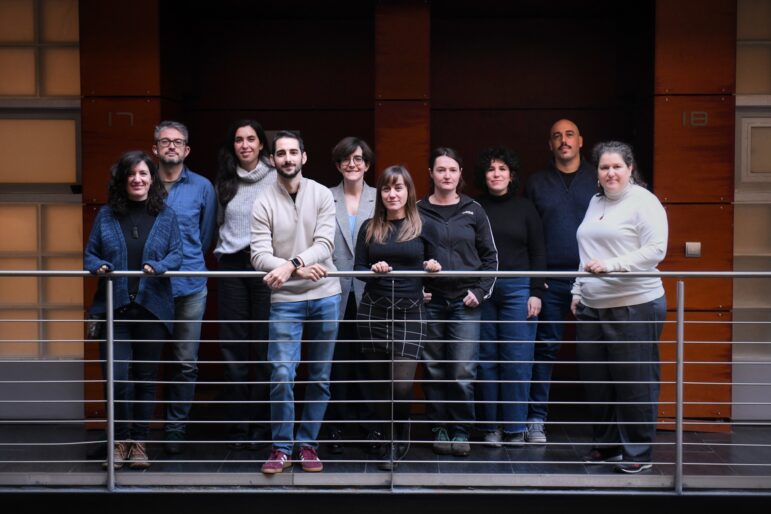
The organization has one guiding principle: “Let the data speak.” But sometimes getting hold of the information they need is an uphill battle.
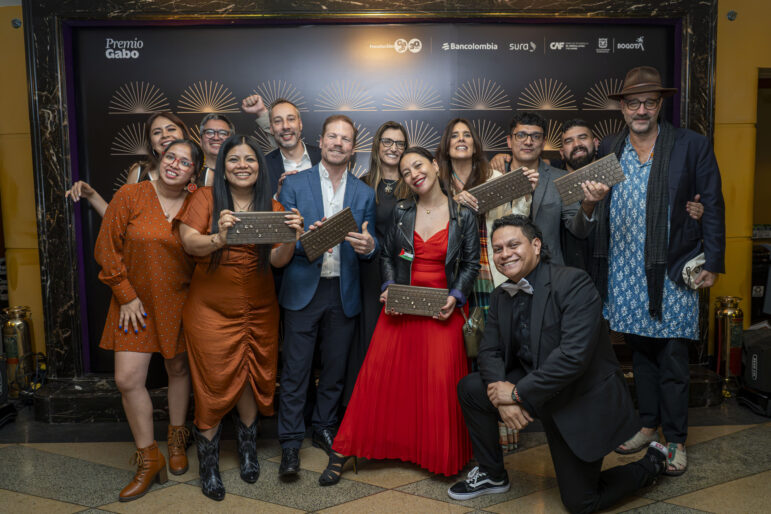
The 13th edition of the Gabo Festival highlighted some of the most urgent challenges facing journalism today, particularly in Latin America.
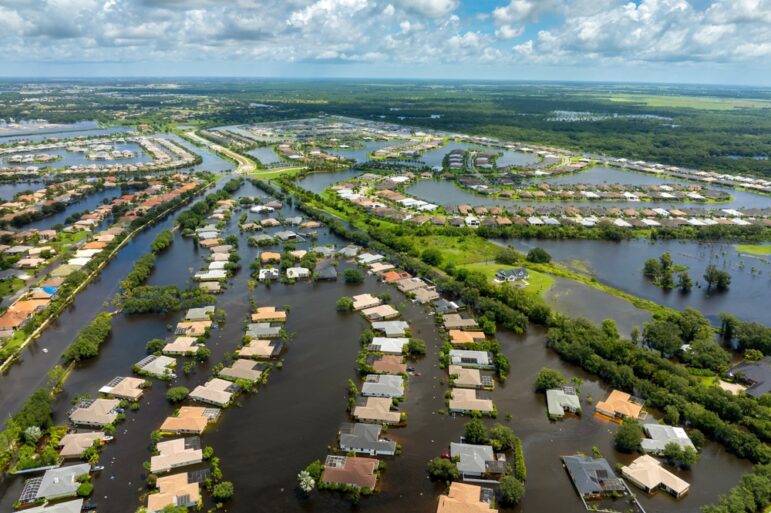
As oligarchs and populist governments ratchet back the gathering and dissemination of climate-related information, journalists can use these techniques to find relevant sources and track impact.
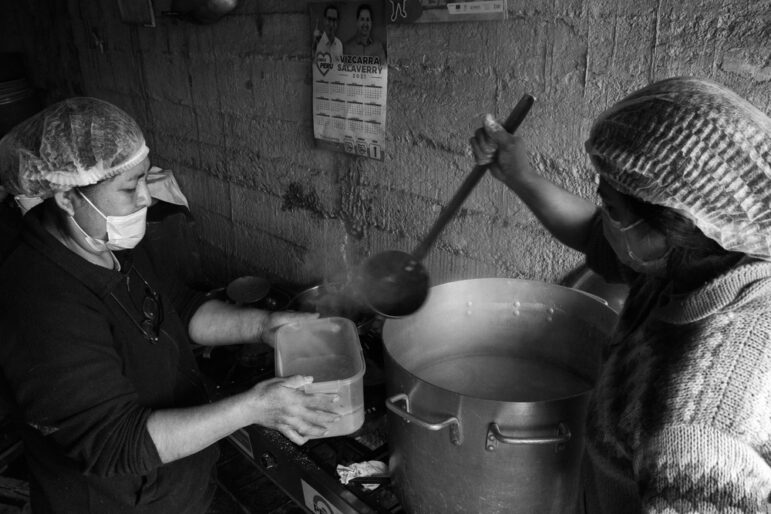
A behind the scenes look at how reporters investigated how thousands of people have been unjustly excluded from Peru’s pension program due to flaws in the poverty classification system.

A dedicated mental health helpline for journalists facing anxiety, stress, and burnout was a long time coming. Can it survive?
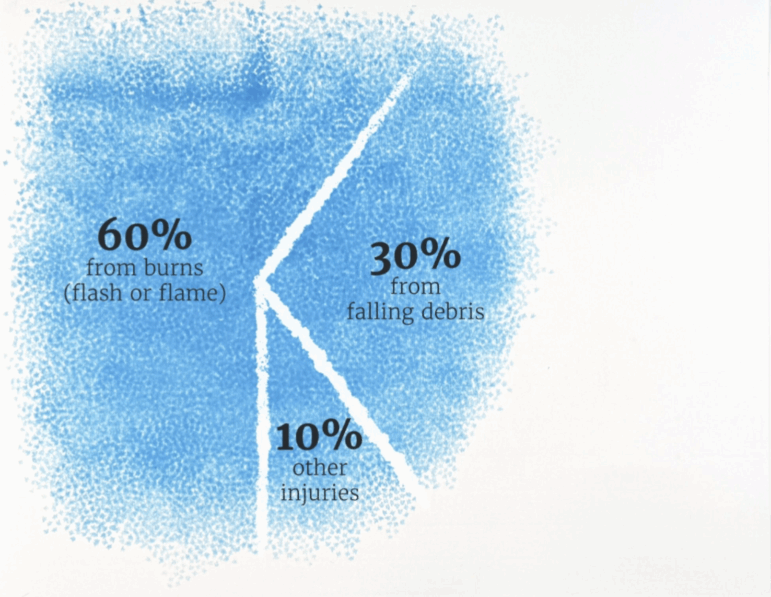
Our round-up of the best in recent data journalism also features stories from Southeast Asia and Gaza.
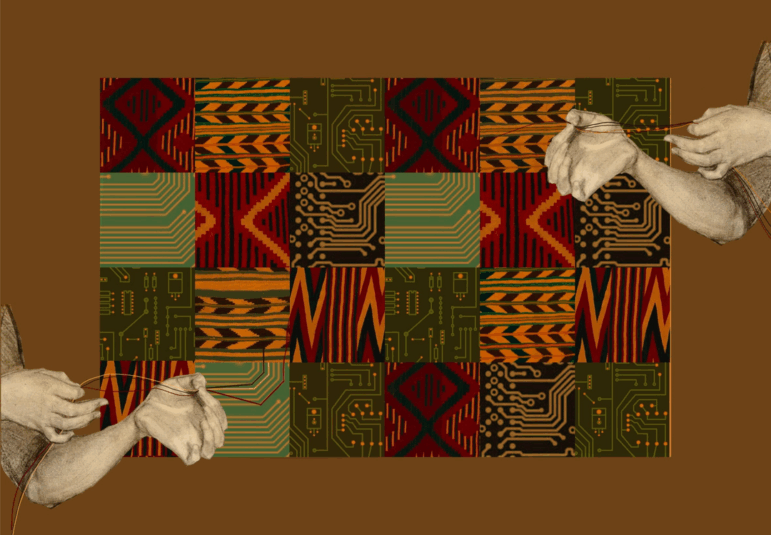
From the Philippines to the UK, a number of major newsrooms have created their own AI chatbots designed to respond using only that site’s trusted reporting archive and vetted databases as source material.
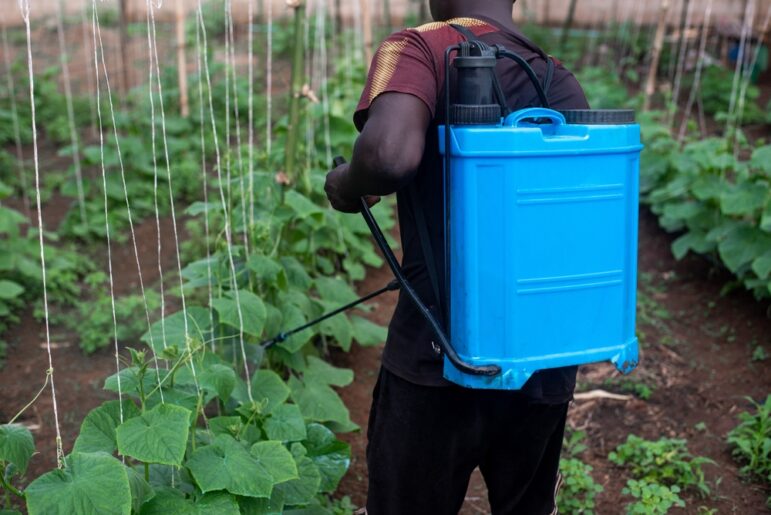
GIJN speaks to a Nigerian journalist about how she uncovered how banned pesticides are still exported and sold in Africa.

With a little research and negotiation, reporters can slash the cost of obtaining records bundles and speed up the government’s response in the process.
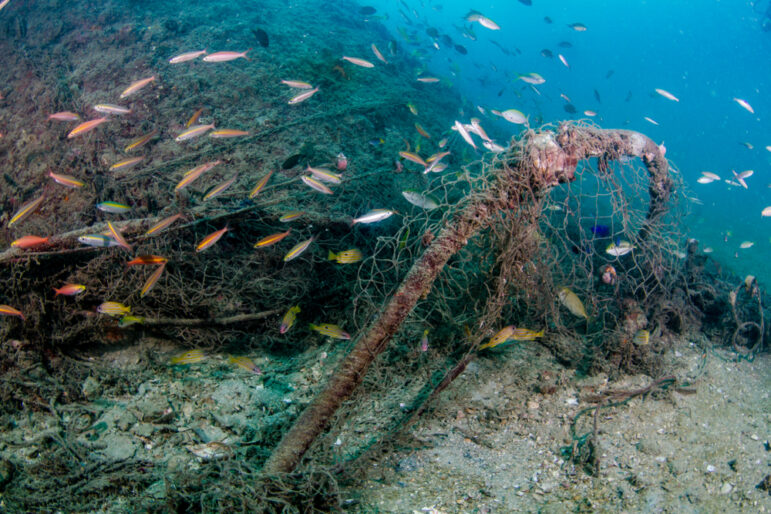
Using artificial intelligence and synthetic aperture satellite technology, investigators can better identify and document illicit activity at sea.
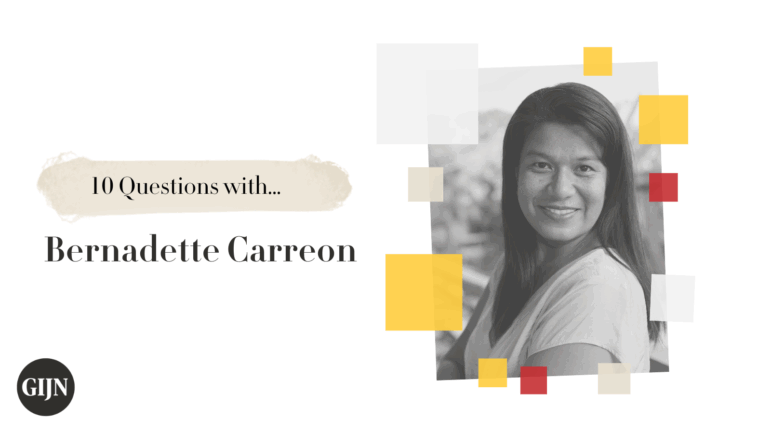
GIJN speaks to the veteran reporter who covered the Pacific region from the small island nation of Palau for more than 20 years.
In 2001 GIJN was born, as investigative journalists from around the globe met for the very first time to share ideas, tips, and best practices to strengthen their reporting in a world where journalism was increasingly under threat.
Today the threat has multiplied, and at GIJN we find ourselves under the same pressures as our member organizations. Most urgently: available funding for investigative journalism has been impacted as some longtime funders who supported journalism in the past are no longer doing so or have closed. Yet our work continues, more important than ever before.
GIJN serves as the global hub for the world’s investigative reporters. Our core mission is to support and strengthen investigative journalism—with special attention to those from repressive regimes and marginalized communities.
We are embarking on our first-ever campaign initiative to help us expand our revenue by the end of the year through individual donors. If you have ever joined one of our free webinars, used one of our free resources, learned a new skill thanks to a GIJN training, or simply believe that press freedom is essential to civil society, we ask you to show your support for GIJN’s work with a donation of your choosing. Called “Friends of GIJN,” this campaign includes a more personalized experience, starting in 2027, for individuals who answer the call to join with us during this unprecedented time.
Truth and democracy are under attack around the world. You can fight back by helping GIJN support investigative journalists with free access to the latest tools and techniques — so they can foster justice and hold accountable those who abuse the public trust.
With a staff based in 24 countries, GIJN works in a dozen languages each day, linking together the world’s most enterprising journalists, offering state-of-the-art training, webinars, tip sheets, and a Help Desk that responds to 2,000+ requests for assistance each year. More than 84% of GIJN’s operating budget goes directly to our program work.
Please make a gift today to support journalists on the front lines of the fight for accountability and human rights.