
Data Journalism
FOIA This! The Depressing State of Open Data
In our latest look at FOIA around the world, we examine the state of open data sets. According to the new report by the World Wide Web Foundation, the news is not good.
In our latest look at FOIA around the world, we examine the state of open data sets. According to the new report by the World Wide Web Foundation, the news is not good.
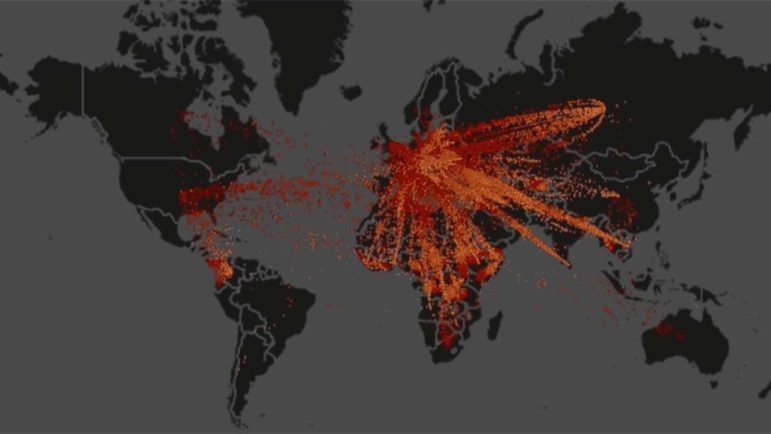
What’s the #ddj community tweeting about? Our NodeXL mapping from May 29 to June 4 includes research on social media’s fake propaganda from @ddjournalism, mapping global refugee flow from @FastCompany and the tax bracket racket from @voxdotcom.

In his second column, Ivo Burum has some tips on location sound recording, including suggestions on mic types and a basic checklist to make sure you’re getting it right while working solo.
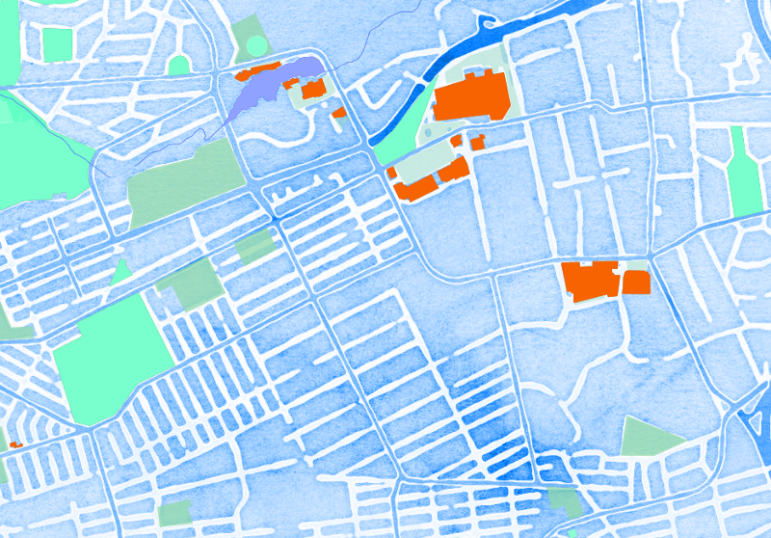
Time to get your mapping game on. Here are a list of tools to help journalists get the picture, from the easy-to-use My Maps to custom maps for the more experienced, like Color Brewer and Mapbox.
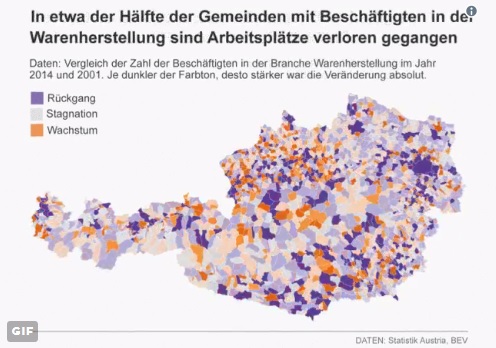
What’s the #ddj community tweeting about? Our NodeXL mapping from May 22 to 28 includes what it’s like to code as a journalist from @CJR, artists and designers visualizing Google search data from @FastCoDesign, the Data Journalism Awards 2017 shortlist from @mberzosa and Austria’s changing job market from @derStandardat.

Got time for a deep dive? From Journalism After Snowden to Press Freedom in Contemporary Japan, here’s a round-up of some of the books that have come across our desks at GJIN.

At the recent European Investigative Journalism and Dataharvest conference, Nicholas Diakopoulos spoke about the emergence of algorithmic accountability reporting, and how it applies the core journalistic functions of watchdogging and investigative reporting to algorithms.

While your story can be true, it might be wrong. That’s what New York Times data journalist Robert Gebeloff explained at the recent European Investigative Journalism Conference & Dataharvest. Check out some of Gebleoff’s tips, and a data journalism checklist.

What has the #ddj community been tweeting about? Our NodeXL mapping from May 15-21 includes North Korea’s targets (@PostGraphics), Wannacry’s ransomware spoils in real time (@TA_Interaktiv), Berlin’s space use in a gorgeous map (@tagesspiegel) and the White House guests (@Poynter & @Politico).

The massive ransomware attack WannaCry hit institutions in some 150 countries. Here’s how to use national freedom of information laws to develop news stories around cyber security threats.

During the height of the “Red Scare,” the FBI built an elaborate case alleging America’s favorite newsman was a Communist. MuckRock sifted through 700 pages of Bureau documents that tracked Murrow’s acquaintances, movements and alleged involvement with Communist-front organizations.

Some crucial stories have been uncovered by investigative journalists in the Arab world but they don’t get the attention – or the traction – they deserve. What they could use is some lessons in marketing.

Here are top data journalism tweets for May 8-14, per our NodeXL mapping: race against fastest marathoner (@alastairotter); mapping the ransomware attacks (@nytimes); French election data dive (@DataspotTLG and @ftdata); Alberto Cairo interview (@chytomo); and more.
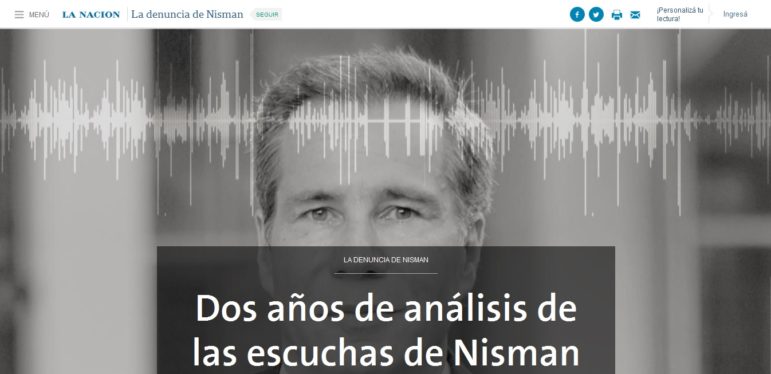
Here’s how the data team at Argentina’s La Nación dug into 40,000 audio recordings collected by prosecutor Alberto Nisman, who was murdered while investigating a Buenos Aires terrorist attack tied to Iran.
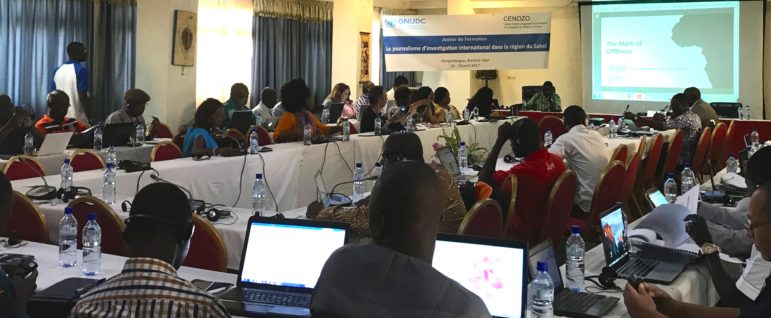
The April gathering in Ouagadougou marked the start of operational activities of the Norbert Zongo Cell for Investigative Journalism in West Africa, an investigative hub where journalists can access grants, resources, mentoring and form cross-border collaborations.
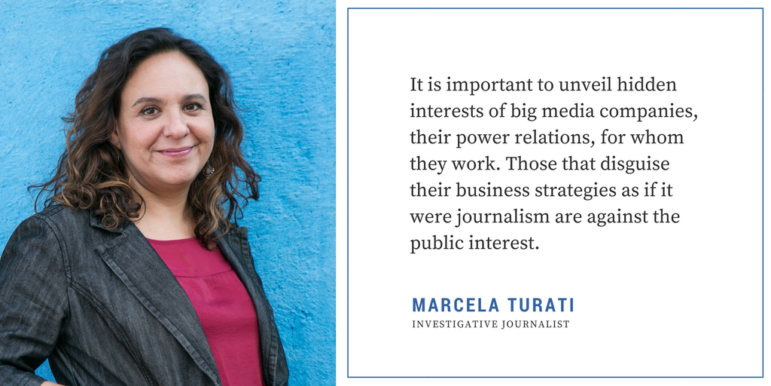
The topic of big media ownership is often left unquestioned, but Mexican investigative journalist Marcela Turati believes that it is important to unveil the hidden interests of big companies because companies that disguise their business strategies as journalism can do much harm.

Here are top data journalism tweets for May 1-7, per our NodeXL mapping: delayed cherry blossoms (@TheEconomist); dataviz how-to (@albertocairo); 20 million starving (@washingtonpost); Munich route planner code (@Munichrocker); FB German filter bubble (@SZ); Open Data Index (@pinardag); and more.
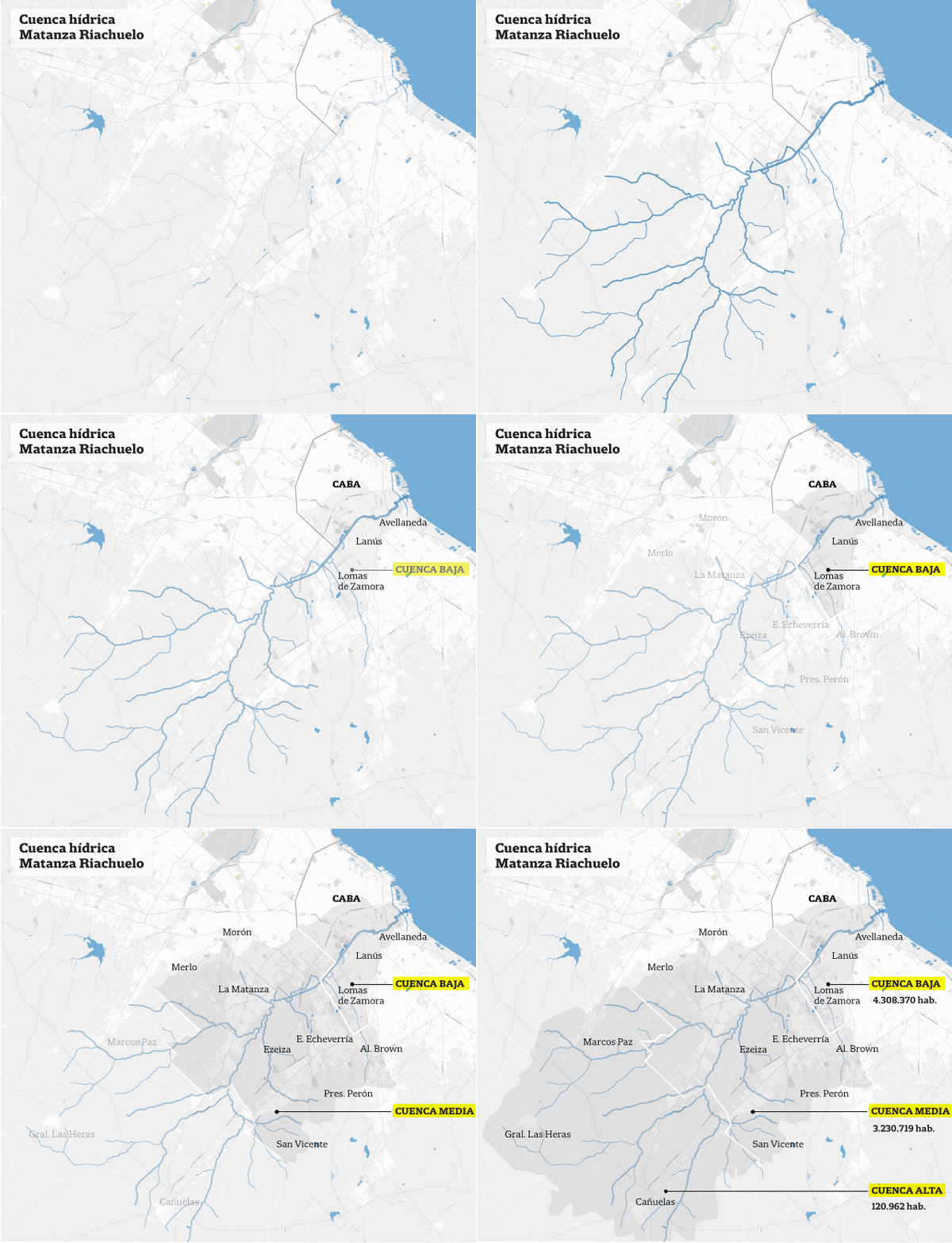
There is a huge amount of data available on pollution and disease caused by the Matanza River – widely known as River Riachuelo – the problem was transforming it into information that those affected could easily understand. In a special multimedia report, La Nación used open data and data visualization to illustrate the extent of the problem.
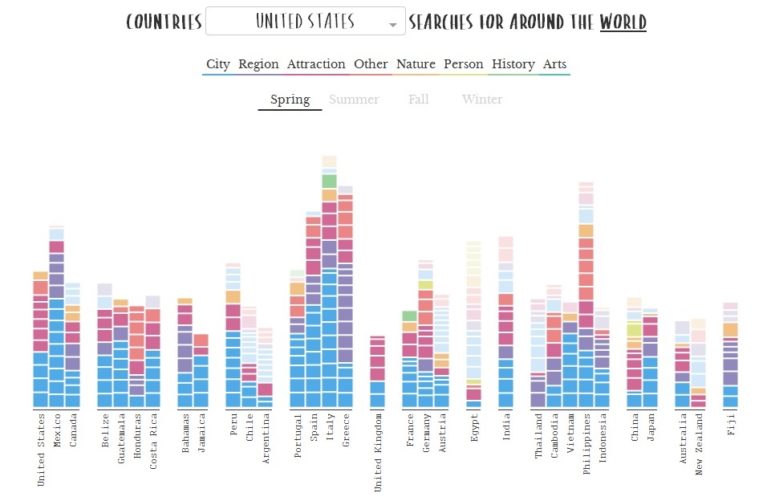
Here are top data journalism tweets for Apr 24-30, per our NodeXL mapping: draw it yourself interactives (@br_data); visualizing Google searches (@albertocairo); opinion polls analysis (@SZ); Politibot’s graphics (@politibot); French election (@BIQdata); ProPublica jobs (@ProPublica); and more.

Today, on World Press Freedom Day, GIJN was honored with its first award, the Difference Day Honorary Title for Freedom of Expression. Awarded by two prominent Brussels universities, VUB and ULB, the Honorary Title is given annually “to a journalist, writer, artist, cultural thinker or any other person, association or institution that has made a vital contribution to protect and promote freedom of thinking and expression in an ever changing, democratic society.”

This year, World Press Freedom Day’s theme “Critical Minds for Critical Times” drives home the need for everyone to sharpen their minds to defend the freedoms — free, independent, and pluralistic media — that are essential for justice and peace. Without audiences demanding well-researched and conflict-sensitive narratives, critical reporting will be increasingly side-lined. Every citizen has a direct stake in the quality of the information environment.
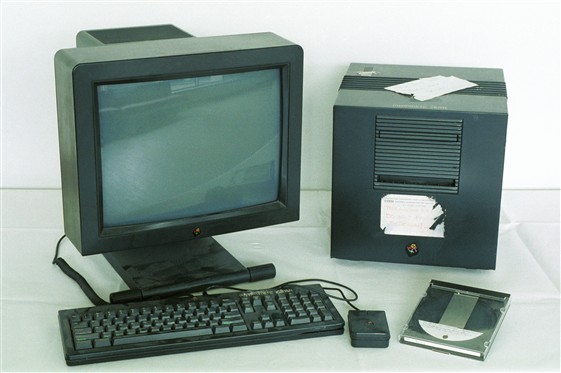
It has only been 26 years since the world’s first website and server went live. Since then, digital journalism has evolved quickly through the portal era, the search era, and the social era. At present, digital journalism has entered a new phase — the Stories as a Service (SaaS) era — where journalism is paid for by readers, for readers, which will likely result in quality journalism, trustworthiness, and the building of new communities.

Global press freedom has continued its decline, now at its lowest point in 13 years in 2016 due to unprecedented threats to journalists and media outlets in major democracies, intensified crackdowns by authoritarian states, and moves by Russia and China to increase their influence beyond their borders, according to Freedom of the Press 2017, the latest edition of Freedom House’s annual report on media freedom worldwide.

Here are top data journalism tweets for Apr 17-23, per our NodeXL mapping: French voting (@lamontagne_fr); music festival gender (@pitchfork); mapping US homeless (@FastCompany); Scottish fact checking (@FerretScot); Spanish voting (@Politibot). tilegrams (@bhaskar_vk); & more.
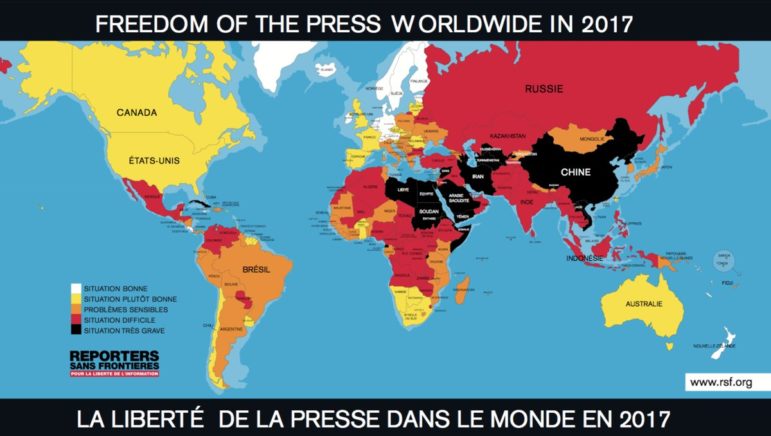
Reporters Without Borders this week released its 2017 World Press Freedom Index of 180 countries, and the news is not good. The report found media freedoms falling in democracies and that “nothing seems to be checking that fall.” Nearly two thirds (62.2%) of countries measured had deteriorated freedoms, while the number of countries where the media freedom situation was “good” or “fairly good” fell by 2.3%.

‘Tis the season of media awards with lots of great investigative journalists — and great investigative stories — getting honored for their muckraking. We’ve picked some notable winners and finalists from the European Press Prizes, the Pulitzers, and the IRE Awards. Big congratulations to the winners and finalists, who have showcased grit and determination in exposing injustices and corruption across the globe. Despite all the challenges we face, muckraking has never been in better hands.
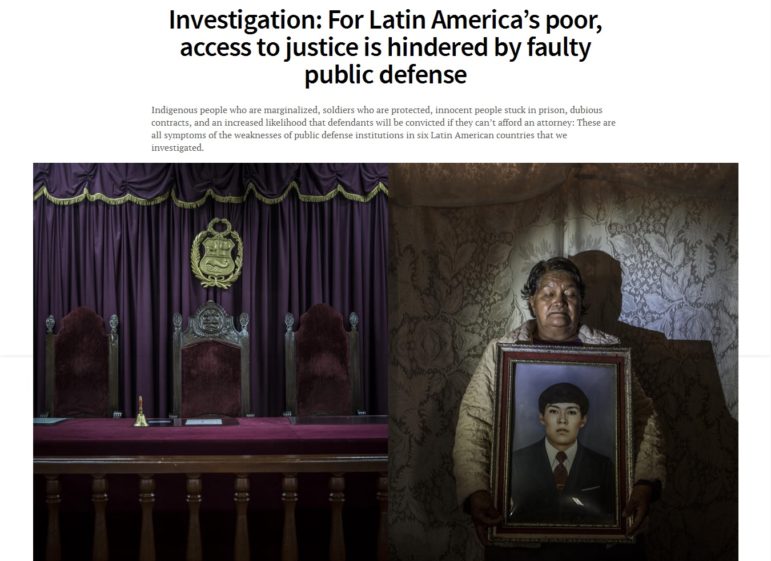
Four years of work and 8,000 judicial rulings later, the team at Univision Data shows how in Costa Rica, a person is more likely to be convicted of a crime if they are assigned a public defense attorney than if they have a private one. Their methodology included web scraping, R and logistic regression — a statistical method common in social sciences but practically unexplored in newsrooms.

The dependence of Mexican media on official advertising, reductions in newsrooms and the search by media outlets to “fill spaces,” meant that investigative journalism is increasingly forgotten, and the little that is done is failing to create the impact it should. In order to rectify this, reporters Alexandra Xanic, Daniel Lizárraga, Ignacio Rodríguez Reyna and Marcela Turati set up Quinto Elemento Lab – to work with and mentor investigative journalists through the progress of investigations.