

10 Questions
Straddling Two Worlds as an Investigative Journalist: ARIJ’s Hoda Osman
Hoda Osman, executive editor at Arab Reporters for Investigative Journalism (ARIJ), discusses how she still covers the region while based in the US.
Hoda Osman, executive editor at Arab Reporters for Investigative Journalism (ARIJ), discusses how she still covers the region while based in the US.
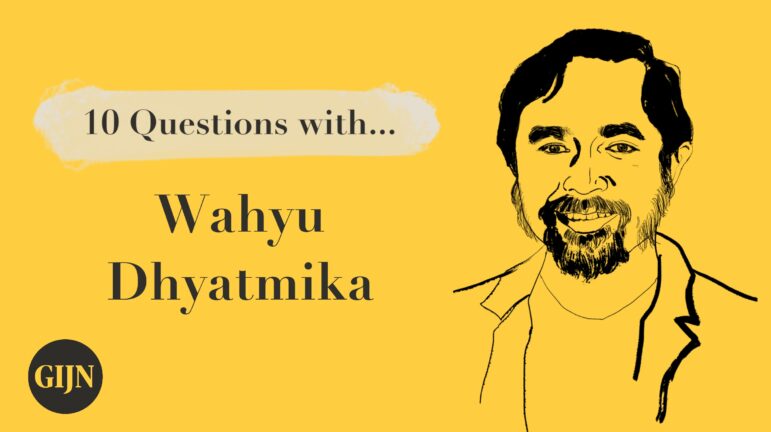
It’s impossible to discuss collaboration in journalism in Indonesia without mentioning Wahyu Dhyatmika who has played an instrumental role in many of the biggest investigations in recent years.
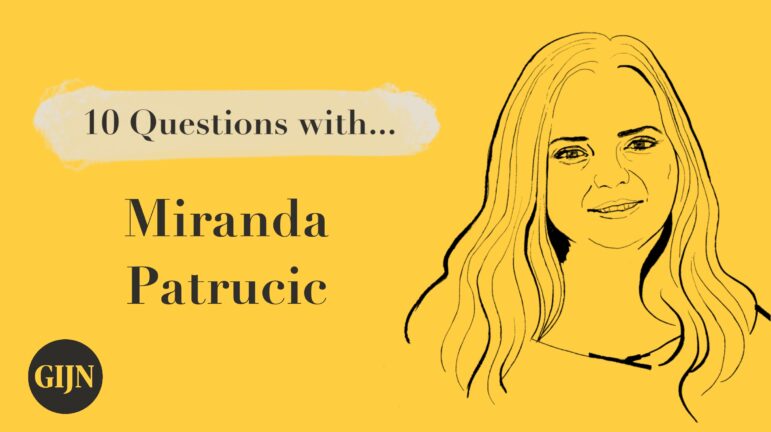
Miranda Patrucic built her career investigating crime and corruption in Central Asia and Azerbaijan. Hear her tips on avoiding burnout, difficult interviews, and in believing in your ability to uncover the truth.
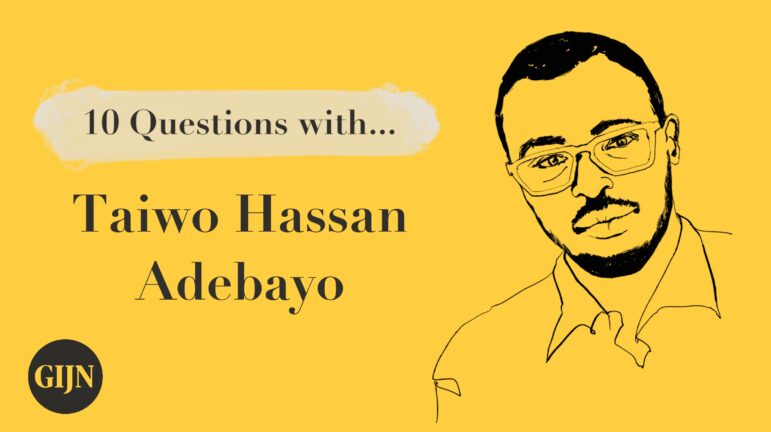
Hassan Adebayo has built a storied career at the Premium Times, leading investigations into terrorism and violent extremism, corruption, and financial crime.
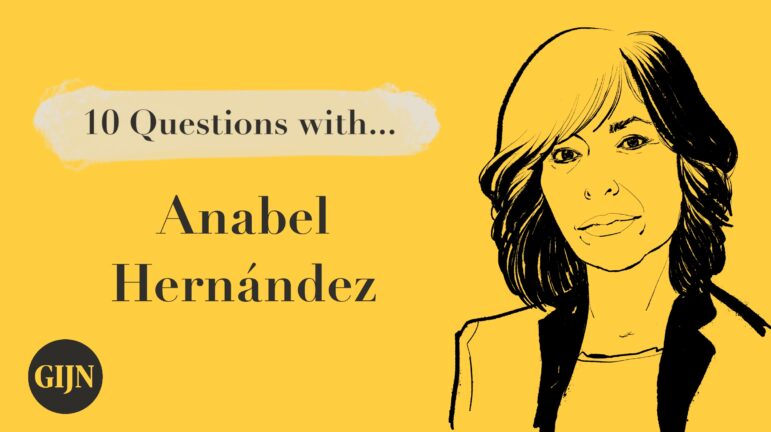
Anabel Hernández is one of the most prominent investigative journalists in Mexico. With more than 30 years of experience, she has dedicated her career to investigating organized crime and the complicity of politicians, the military, and businessmen in the war on drugs in Mexico and beyond.
Several years ago a whistleblower reached out to the German newspaper Süddeutsche Zeitung with an enticing message: “Hello, this is John Doe… Interested in data?” That story would become the Panama Papers, the first in a number of international collaborations for investigative reporter Frederik Obermaier. Read his tips and advice about investigative reporting.
As part of our ongoing “10 Questions” interview series, GIJN’s Spanish editor Andrea Arzaba speaks with Omaya Sosa, founding co-director of Puerto Rico’s Center for Investigative Journalism.
As part of GIJN’s ongoing interview series, we speak to Hayatte Abdou, one of the few investigative reporters in the small isanld nation of the Comoros.
For the inaugural post in our new interview series about investigative reporters operating in tough press freedom environments around the world, GIJN speaks to Vinod K. Jose, executive editor of India’s premier long-form journalism magazine, The Caravan. He tells us about the challenges of leading an intrepid team in the face of rising autocracy in the world’s largest democracy.
In 2001 GIJN was born, as investigative journalists from around the globe met for the very first time to share ideas, tips, and best practices to strengthen their reporting in a world where journalism was increasingly under threat.
Today the threat has multiplied, and at GIJN we find ourselves under the same pressures as our member organizations. Most urgently: available funding for investigative journalism has been impacted as some longtime funders who supported journalism in the past are no longer doing so or have closed. Yet our work continues, more important than ever before.
GIJN serves as the global hub for the world’s investigative reporters. Our core mission is to support and strengthen investigative journalism—with special attention to those from repressive regimes and marginalized communities.
We are embarking on our first-ever campaign initiative to help us expand our revenue by the end of the year through individual donors. If you have ever joined one of our free webinars, used one of our free resources, learned a new skill thanks to a GIJN training, or simply believe that press freedom is essential to civil society, we ask you to show your support for GIJN’s work with a donation of your choosing. Called “Friends of GIJN,” this campaign includes a more personalized experience, starting in 2027, for individuals who answer the call to join with us during this unprecedented time.
Truth and democracy are under attack around the world. You can fight back by helping GIJN support investigative journalists with free access to the latest tools and techniques — so they can foster justice and hold accountable those who abuse the public trust.
With a staff based in 24 countries, GIJN works in a dozen languages each day, linking together the world’s most enterprising journalists, offering state-of-the-art training, webinars, tip sheets, and a Help Desk that responds to 2,000+ requests for assistance each year. More than 84% of GIJN’s operating budget goes directly to our program work.
Please make a gift today to support journalists on the front lines of the fight for accountability and human rights.