
Resource Tipsheet
GIJN Africa: Data Centers for African Journalists
Our curation of the most prominent data centers in Africa.
GIJN’s Resource Center is here to help journalists expand their knowledge and skills. The Center holds more than 2,000 items in 14 languages – from tip sheets and guides to instructional videos. Use the menu on the right to navigate it or the search box below to find topics you’re interested in.
Our curation of the most prominent data centers in Africa.
Looking to learn a new programming language or improve your spreadsheet skills? These online vendors offer free or low-cost online courses and video tutorials on a variety of topics and languages. Check GIJN’s YouTube page for the free webinars. The Social Data School, led by Cambridge Digital Humanities in association with the Minderoo Centre for […]
There are a plethora of programs available for data visualization. Some are very simple to use and require no coding, while others are more difficult to learn but offer greater flexibility and interactivity. Here are some of the most popular options for journalists. ArcGIS online is a tool from Esri to create and share online […]
Once you’ve done your analysis, you may want to create graphs, charts, or maps to display your results. Here are some resources to help you display your data in visually appealing, reader-friendly formats. Flowing Data offers a plethora of tutorials that will help you visualize your data. You’ll learn how to make cartograms, upset plots, […]
Python is one of the most popular programming languages for data journalists, and it is useful for scraping websites as well as cleaning and analyzing data. Here are some resources for learning to code in Python. A Byte of Python is an online book dedicated to the basics of Python. It is targeted at those […]
SQL is a commonly used language for working with databases. It is particularly useful for working with larger datasets that can bog down Excel and for joining separate datasets for analysis. Several open-source versions are used in newsrooms, including Postgresql and DB Browser for SQLite. Here are some tips on how to get started. This […]

Spreadsheets often are the first data tool journalists learn to use. They come in handy for cleaning and analyzing data in structured formats such as .csv files. Microsoft Excel and Google Sheets are the most commonly used spreadsheets. Below are some resources to help you navigate Excel and improve your spreadsheet skills. Data Journalism Training: […]
Got dirty data or pesky PDFs? These programs can help you get your data into a format you can use. OpenRefine is a free tool for exploring, cleaning, and matching data. It is particularly useful for dealing with messy data. It is available in English, Chinese, Spanish, French, Russian, Portuguese (Brazil), German, Japanese, Italian, Hungarian, […]
Once you have your data, check out these free online tipsheets and tutorials for advice on how to inspect and clean it before you start analyzing. This story is a great example of what to do when there are gaps in terms of the data available from official bodies (2021). Data Biographies: How to Get […]

Government bodies often have mechanisms that allow journalists and members of the public to request data and documents. Below are some resources to help you understand the public records laws where you live and draft successful records requests. The National Freedom of Information Coalition is a US nonprofit organization that has a guide to international […]
These conferences can provide opportunities to network, learn new techniques, and discuss story ideas with fellow data journalists. The Centre for Investigative Journalism Summer Conference includes sessions on data journalism from leading practitioners. Data Harvest is held in conjunction with the European Investigative Journalism Conference. The next one is scheduled for 19-22 May 2022 in […]
Data journalism is a perpetually evolving topic. GIJN’s resource pages are updated regularly with new material. Data + Journalism – A Story-Driven Approach to Learning Data Reporting by Mike Reilley and Samantha Sunne (to be published in 2023). At the GIJC19 conference in Hamburg, attendees heard the presentation: Latest Data Journalism Trends From AI to […]

Advice on the subject of interviewing comes in many flavors — not only for investigative journalists, but for police officers, employers, lawyers, social workers, and others. What’s clear is that the interview is one of the most trusted and effective tools in the investigator’s toolbox. GIJN has prepared a sampling, mainly from journalists, but with […]

COVID-19 Update: Reporting during the pandemic poses some new risks. Here are some relevant resources. Marc Settle, a BBC Academy smartphone trainer, prepared this article: Coronavirus’ impact on mobile journalism Nico Piro, mobile journalism trainer and special correspondent at Italy’s RAI, shared lessons here: Lessons from Italy: best practices for field reporting during the coronavirus […]
Crafting Investigative Reportage Into Dramatic Narratives, by Vinod K Jose, Executive Editor of The Caravan, India’s premier magazine for narrative and investigatory journalism. This GIJC19 presentation discusses “ideation,” editorial entry points and reportorial conduct. Also see PowerPoint that includes examples. Using Story-Based Inquiry to Focus, Manage and Build was the topic at GIJC17 for Mark […]

Curious about what the US government is doing in your country? Two-time Pulitzer Prize-winner Martha Mendoza did a popular workshop on this topic at the 2017 Global Investigative Journalism Conference. Her tipsheet uses links to US and international agencies to track the US government’s grants and contracts, international assistance, lobbying, military activity, and more. Mendoza […]
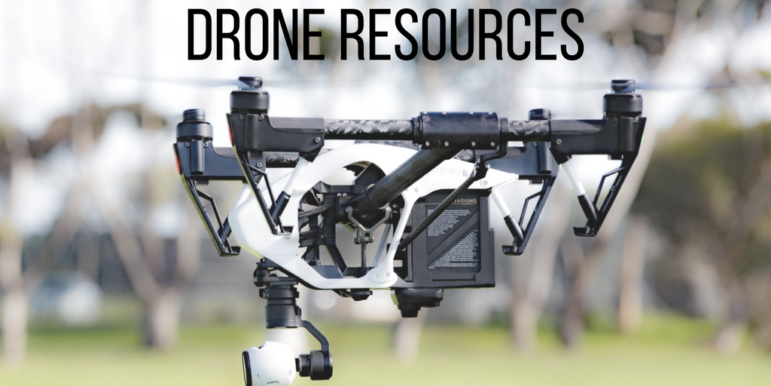
Turbulent with a chance of data: Journalism’s drone-powered futures: A guide to storytelling with UAVs, by Monika Sengul-Jones in datajournalism.com. Tips on Drone Journalism by Raffy Tima, a senior news producer and news anchor with GMA Network Manila, Philippines, as presented during GIJC17. Six Tips for Succeeding at Drone Journalism, a guide prepared by Johnny […]
Online Research Tools and Investigative Techniques by the BBC’s ace online sleuth Paul Myers has long been a starting point for online research by GIJN readers. His website, Research Clinic, is rich in research links and “study materials.” Here’s a tipsheet about finding people online that Myers presented at a 2019 GIJN webinar. And a […]
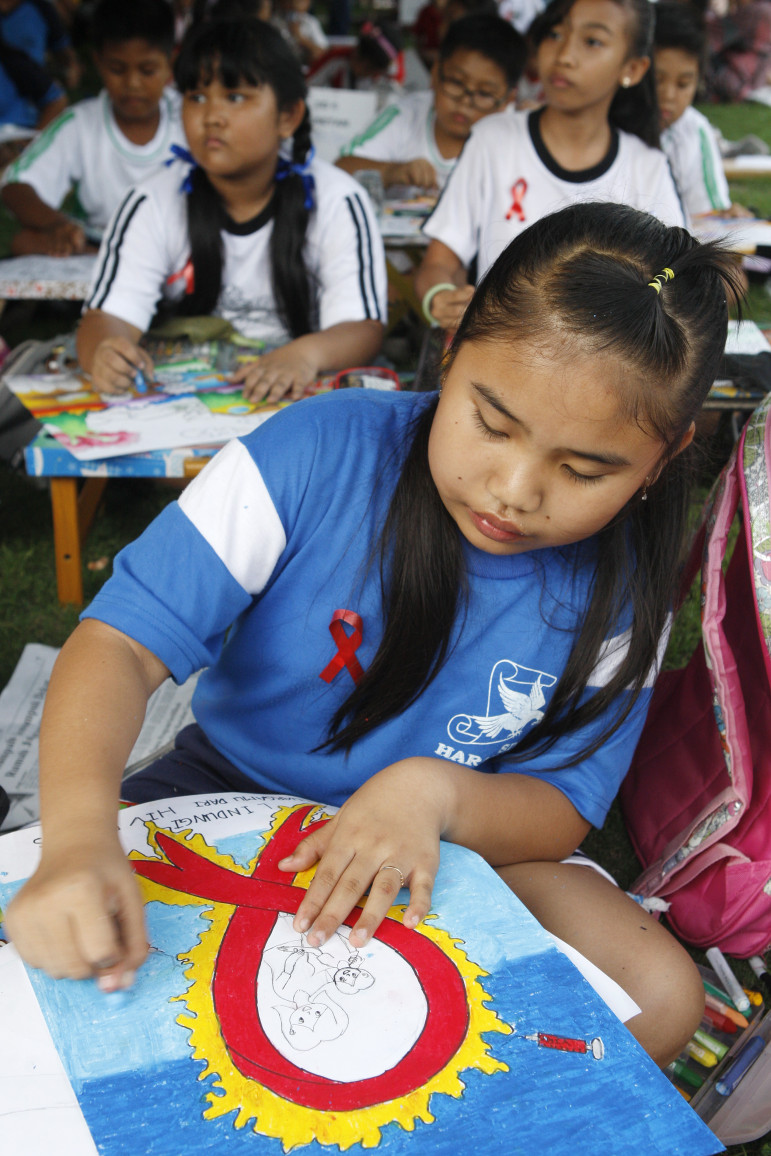
When a story on a particular topic is told over and over again, it leads to what is known as media fatigue—a situation where journalists and editors find the topic no longer newsworthy. However, the worst is when audiences become fatigued—when general readers are fed up with the subject as well. This problem is one that bedevils HIV/AIDS reporting despite the fact that many people—especially the affected and the infected—still want to learn more.
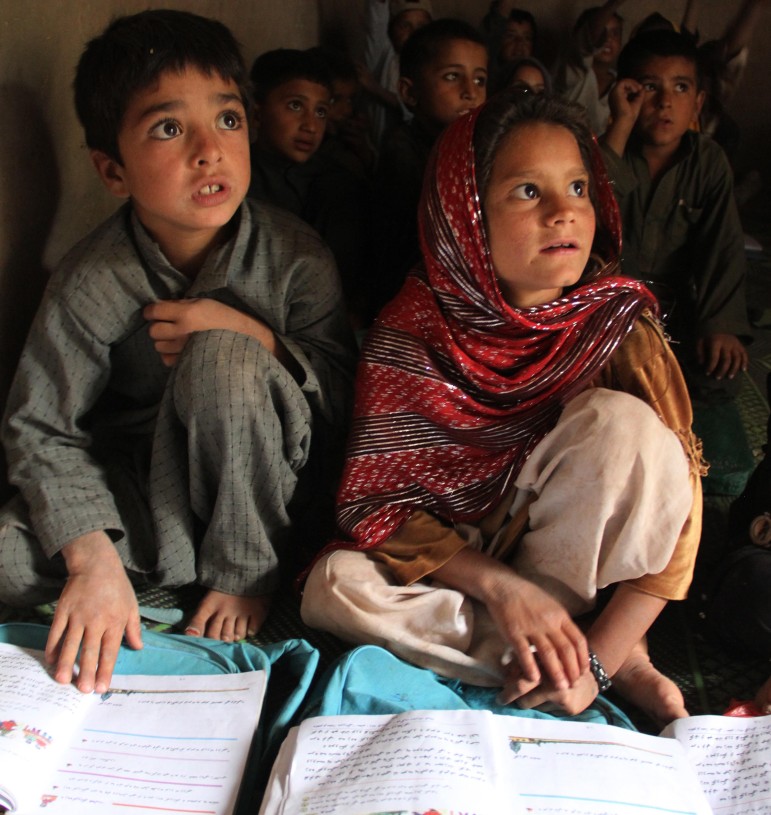
To Hermilio, a working day is no less than 12 hours. In return, he receives a wage that does not guarantee that his two children, who are six and seven years old, have food three times a day, nor does it prevent them having to walk miles to reach the nearest school. This is the reality in the Cusarare community in Chihuahua, northern Mexico, and in many other parts of the world. The Millennium Development Goals (MDGs)—which underpin an alliance between governments and society geared at eradicating marginalisation—were created up in response to the suffering of Hermilio and the billions of others like him around the world.

There’s nothing like a good photographer to bring alive an investigative story. One of the worst crimes that investigative journalists commit is spending months on a great story, and then only minutes on the presentation. Working with photojournalists who know their craft (along with designers and graphic artists) can be one of the real pleasures of putting a big project together. We’re fortunate that a new handbook on using photography for investigations was just published: Investigative Photography: Supporting a Story with Pictures, by CJ Clarke, Damien Spleeters, and Juliet Ferguson.
In 2001 GIJN was born, as investigative journalists from around the globe met for the very first time to share ideas, tips, and best practices to strengthen their reporting in a world where journalism was increasingly under threat.
Today the threat has multiplied, and at GIJN we find ourselves under the same pressures as our member organizations. Most urgently: available funding for investigative journalism has been impacted as some longtime funders who supported journalism in the past are no longer doing so or have closed. Yet our work continues, more important than ever before.
GIJN serves as the global hub for the world’s investigative reporters. Our core mission is to support and strengthen investigative journalism—with special attention to those from repressive regimes and marginalized communities.
We are embarking on our first-ever campaign initiative to help us expand our revenue by the end of the year through individual donors. If you have ever joined one of our free webinars, used one of our free resources, learned a new skill thanks to a GIJN training, or simply believe that press freedom is essential to civil society, we ask you to show your support for GIJN’s work with a donation of your choosing. Called “Friends of GIJN,” this campaign includes a more personalized experience, starting in 2027, for individuals who answer the call to join with us during this unprecedented time.
Truth and democracy are under attack around the world. You can fight back by helping GIJN support investigative journalists with free access to the latest tools and techniques — so they can foster justice and hold accountable those who abuse the public trust.
With a staff based in 24 countries, GIJN works in a dozen languages each day, linking together the world’s most enterprising journalists, offering state-of-the-art training, webinars, tip sheets, and a Help Desk that responds to 2,000+ requests for assistance each year. More than 84% of GIJN’s operating budget goes directly to our program work.
Please make a gift today to support journalists on the front lines of the fight for accountability and human rights.