

Guide Resource
Reporter’s Guide to Detecting AI-Generated Content
This guide offers journalists a new detection tool and seven advanced techniques for spotting probable AI-generated content.
This guide offers journalists a new detection tool and seven advanced techniques for spotting probable AI-generated content.
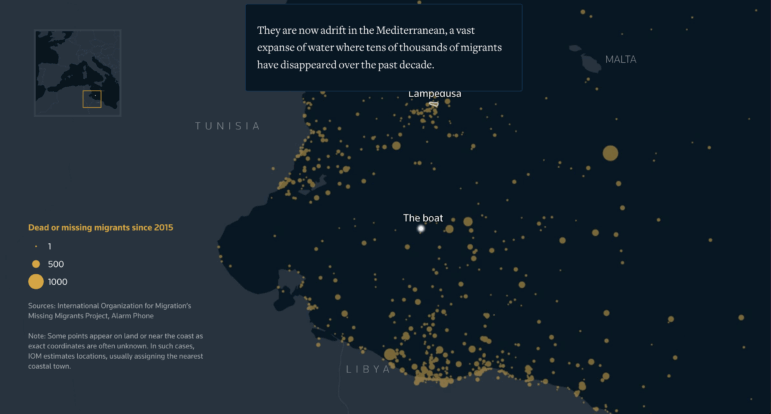
Our round-up of the best in recent data journalism also features stories from Japan, Nigeria, Gaza, and Namibia.

The program lineup of more than 300 speakers will include the best in the business: award winners, data gurus, innovative editors, and experts on urgent investigative topics.

The changes represent a methodological overhaul of the initiative, which launched in 2018 and now brings together 42 media outlets from different parts of Brazil that work collaboratively.
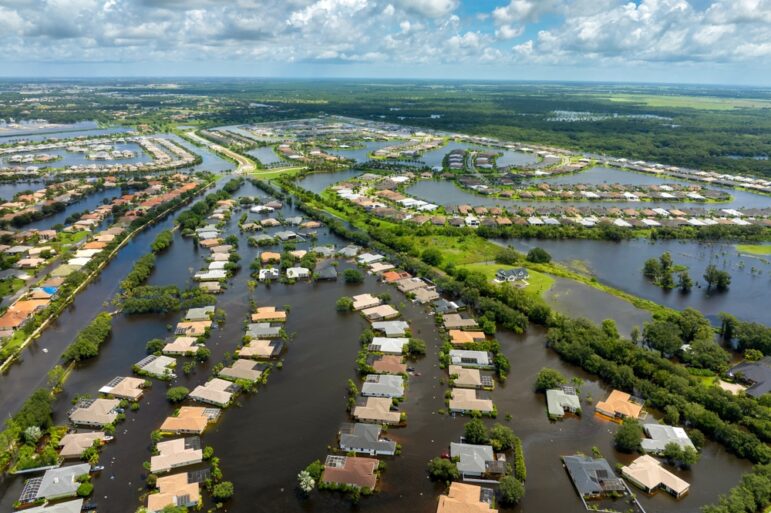
As oligarchs and populist governments ratchet back the gathering and dissemination of climate-related information, journalists can use these techniques to find relevant sources and track impact.

Featuring tips, techniques, and best practices for covering the algorithms — and their corresponding impacts — used by tech giants’ social media platforms.
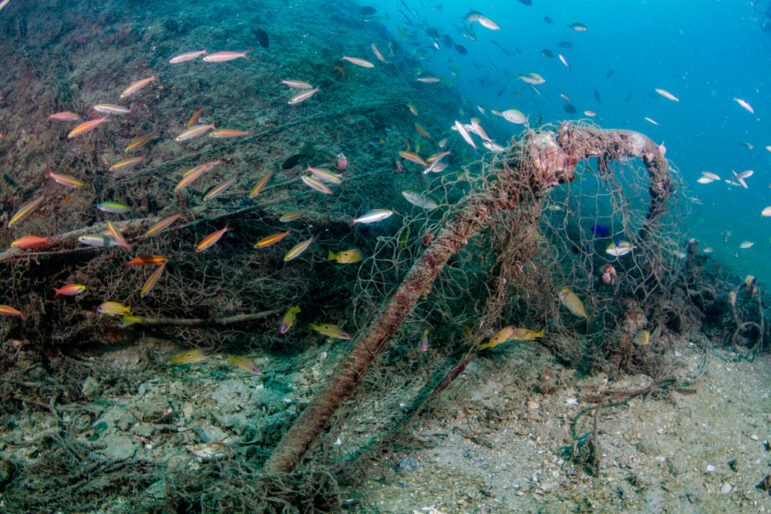
Using artificial intelligence and synthetic aperture satellite technology, investigators can better identify and document illicit activity at sea.

GIJN speaks to the veteran reporter who covered the Pacific region from the small island nation of Palau for more than 20 years.

This guide offers reporting best practices, key resources as well as what questions to ask when investigating methane emissions from landfills and how to reduce them.
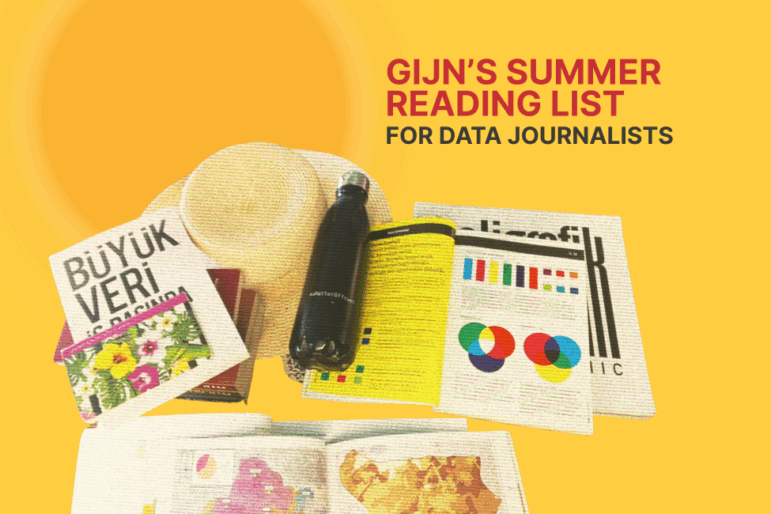
Featuring books spanning four continents, these recommended reads provide a global perspective on data journalism.