Resource Tipsheet
Basic Data Journalism Tips for Editors
At the NICAR22 conference in Atlanta, Georgia, journalism trainer MaryJo Webster offered a series of basic tips for editors who have little to no data analysis skills.
Gaëlle Faure edits stories about misinformation written by digital investigative and verification reporters based in Agence France-Presse’s bureaus in Africa, and also works on fact-check training for journalists around the world. In this interview, she speaks about her job at AFP and about the challenges that misinformation poses to journalists around the world.
For newsrooms looking to deepen their understanding of how artificial intelligence could be used for investigative reporting, the 150-year-old Argentinian newspaper La Nación is blazing a trail and has produced a diverse range of stories assisted by AI technologies and has created an AI lab.
Learning to make appealing and informative maps to support your investigative journalism is well worth doing. The good news is that there are significantly more mapping tools available today than there were five years ago and many of them have become very powerful.
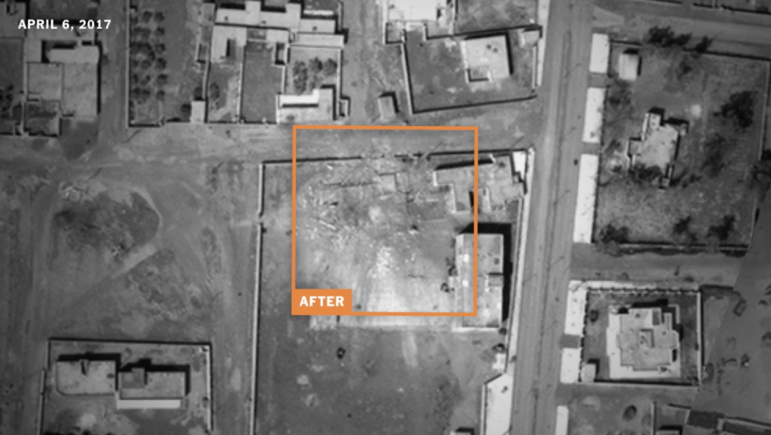
Satellite imagery provides information that can enhance the ability to write compelling narratives about the state of our planet, cutting across multiple beats. But such a tool tends to be complex and out of the reach for many journalists, so this guide offers a process that reporters interested in covering the climate crisis can use for story projects.
In the aftermath of the repressive Taliban regime’s takeover of Afghanistan, some newsrooms fully relocated abroad — but some reporters remained behind, and leak critical stories about the government to their partners in exile.
Journalist Rachel Chitra used news reports to build a database on hate crimes and violence in India. Here she gives tips for reporters facing a data gap, and offers lessons learned from her research about how journalists can reliably step in to gather, clean, and publish data when the government fails to keep track of important information.
In the following curated list, we highlight eight impactful investigative stories involving past Olympic events that each hold valuable tips for journalists digging into athletic mega-events today.
This guide was written by Toby McIntosh, senior advisor to GIJN’s Resource Center. Editing was by Reed Richardson and Laura Dixon. Illustrations were created by Marcelle Louw.
CORRECTIV boasts a €4 million annual budget, a staff of 60, and has become one of the world’s largest nonprofit centers for investigative journalism. As founder David Schraven had hoped, the outlet has delivered blockbuster investigations and trained aspiring journalists, as well as staged plays and exhibitions inspired by current affairs that serve to bridge the gap between art and news.