

How They Did It
Uncovering Syria’s Stolen Children
This collaborative investigation brought together international and local journalists to reveal how the Assad regime used a global childcare charity to aid the disappearance of children.
This collaborative investigation brought together international and local journalists to reveal how the Assad regime used a global childcare charity to aid the disappearance of children.
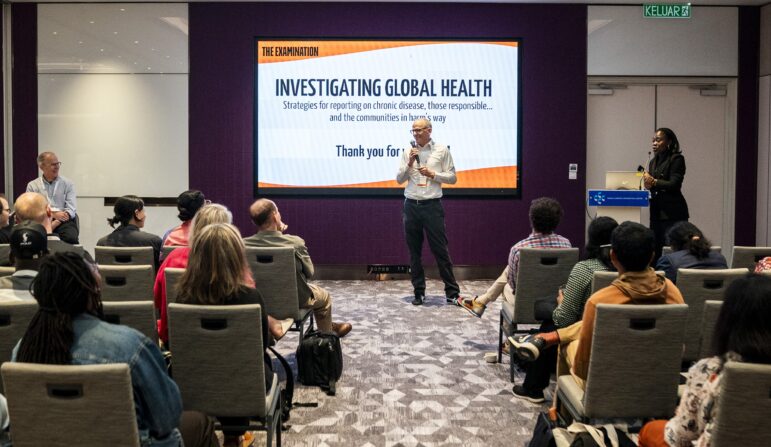
Investigative reporters traced dangerously high lead contamination in Nigeria — revealing that recycled metal from used car batteries entered global supply chains linked to major US automakers.
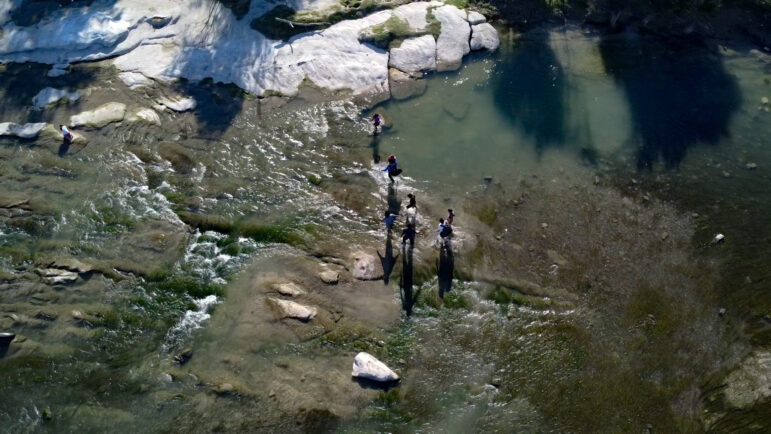
This transnational collaborative project investigating US-Mexico border deaths won the 2025 Gabo Award, with judges praising its “investigative rigor” and “innovative approach.”
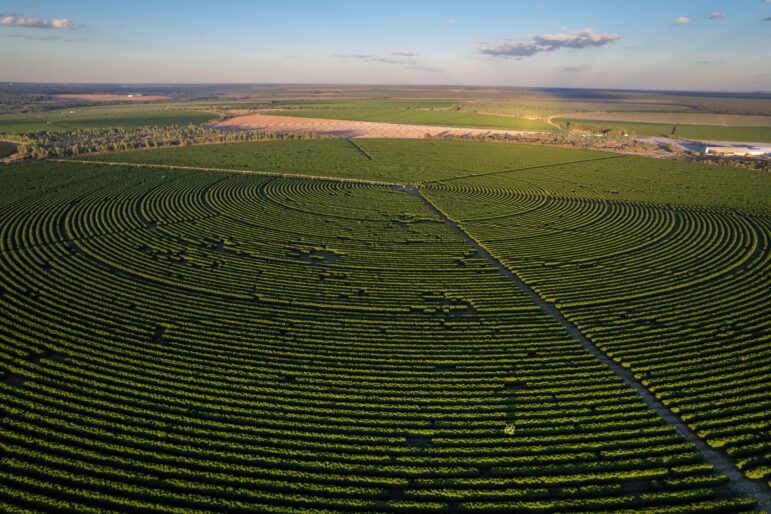
Investment funds issued to finance Brazil’s agribusiness sector bundle various bonds — some of them labeled “green” — but are tied to socio-environmental violations or potential land grabbing.
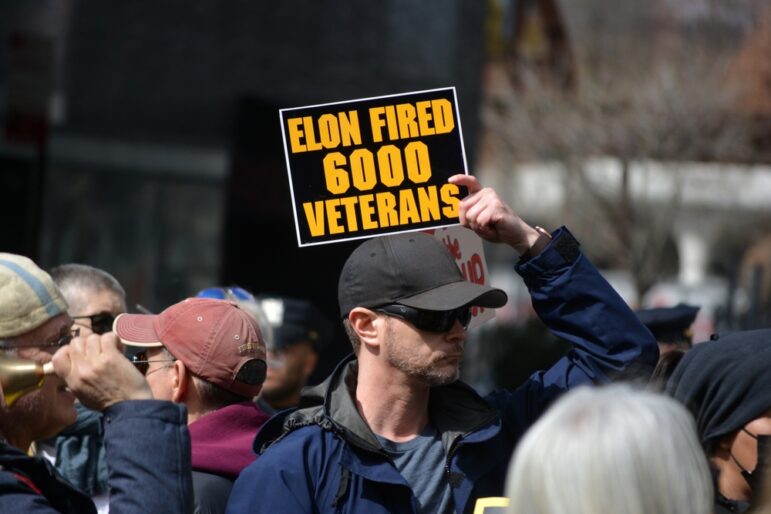
The team used leaked documents and an interview with the AI tool’s developer to reveal numerous mistakes behind the Trump administration’s cost-cutting measures of veterans’ care.
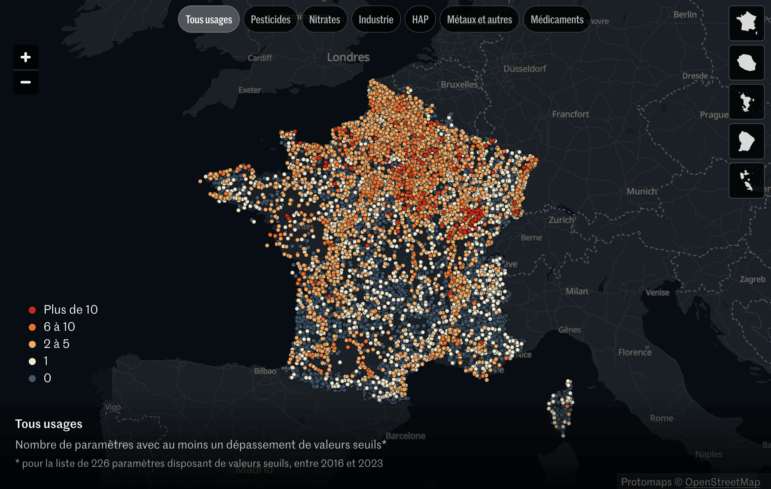
The French investigative reporter and data journalist shares the methods behind her team’s major investigation into Europe’s polluted groundwater crisis.
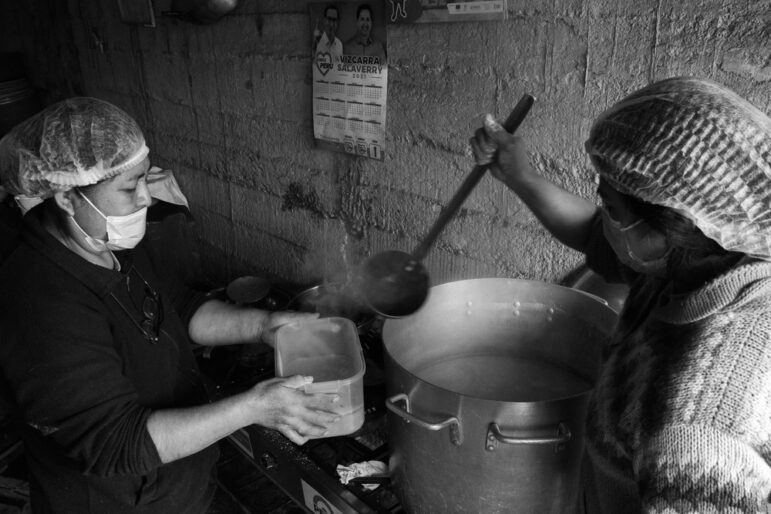
A behind the scenes look at how reporters investigated how thousands of people have been unjustly excluded from Peru’s pension program due to flaws in the poverty classification system.
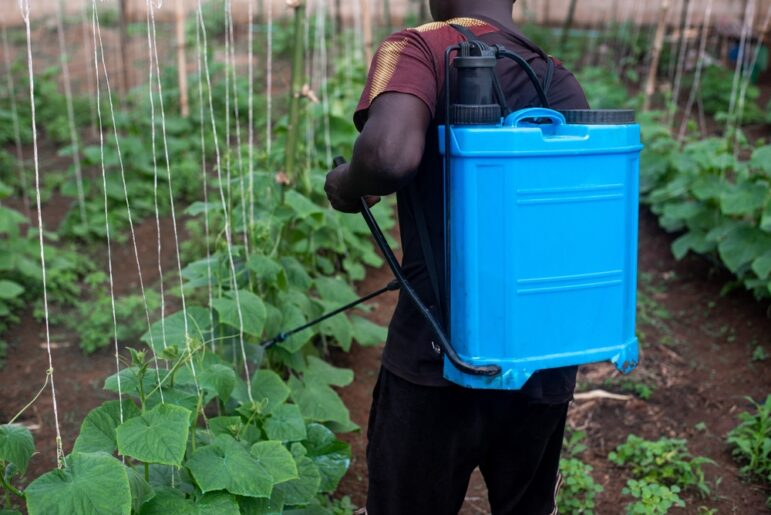
GIJN speaks to a Nigerian journalist about how she uncovered how banned pesticides are still exported and sold in Africa.
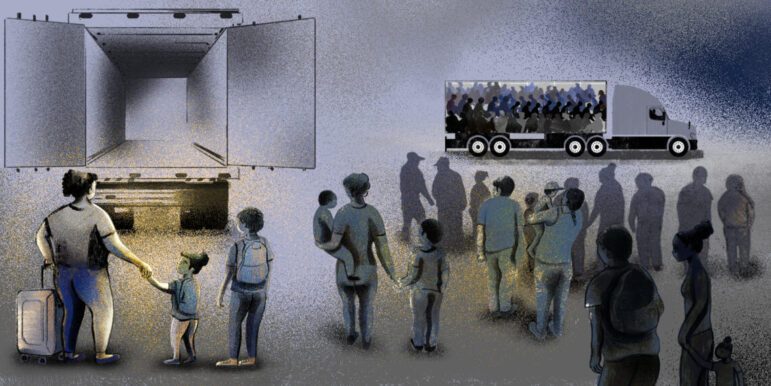
Tips from four reporters who took part in a seven month-long collaborative investigation into the growing use of cargo trucks to transport migrants and asylum seekers through Mexico.
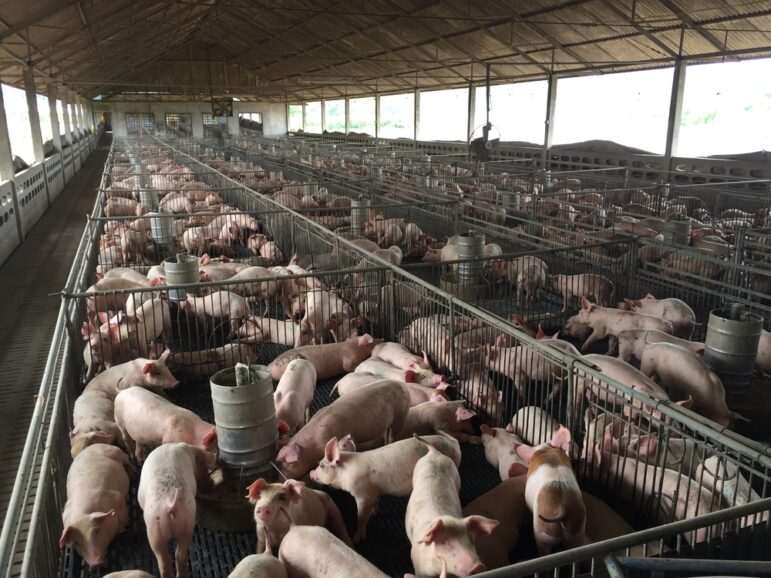
An award-winning project exposed how a US-governor’s pig farming company polluted groundwater, revealing issues of political influence and regulatory neglect.
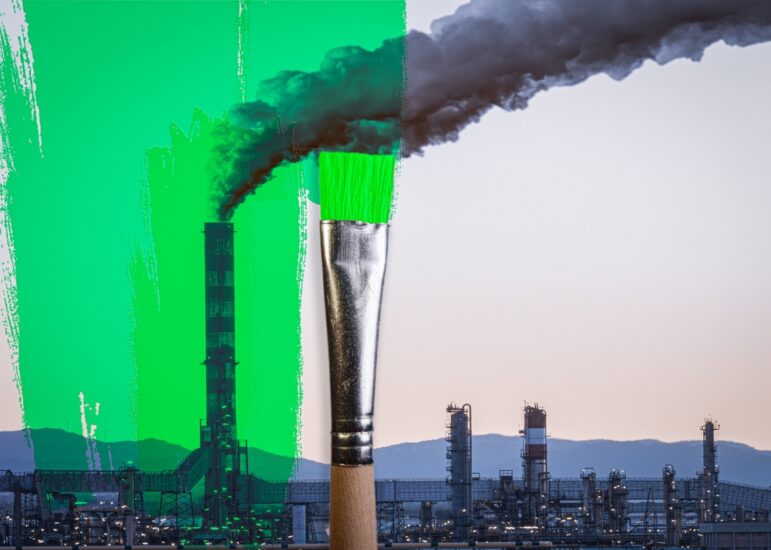
An exposé supported by the Pulitzer Center’s Rainforest Investigations Network found loans earmarked for green projects were routinely used by fossil fuel and mining companies.
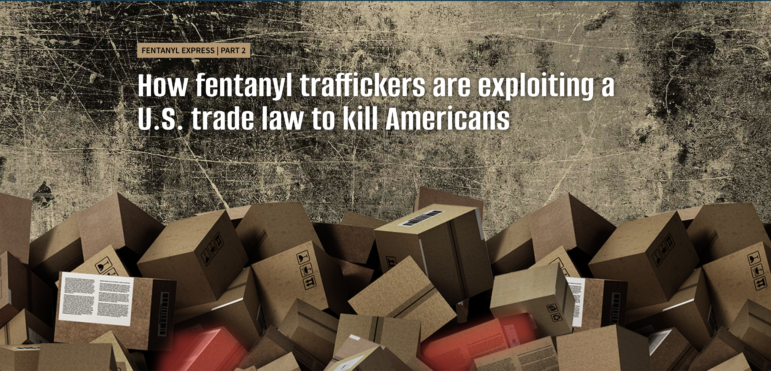
This seven-part Reuters series revealed how easily chemicals used to create fentanyl can be acquired — and the network of suppliers that make the illicit drug trade possible.
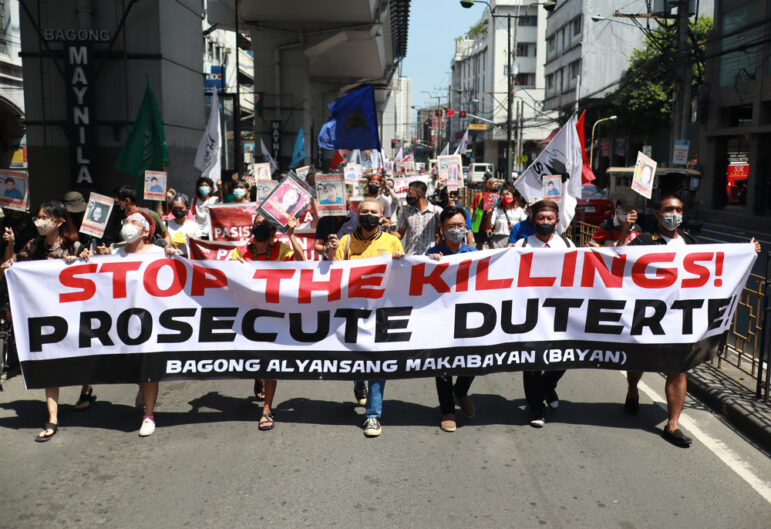
Philippine reporter Cristina Chi uncovered an orchestrated disinformation campaign on Facebook to falsely portray the arrest of the country’s ex-president.
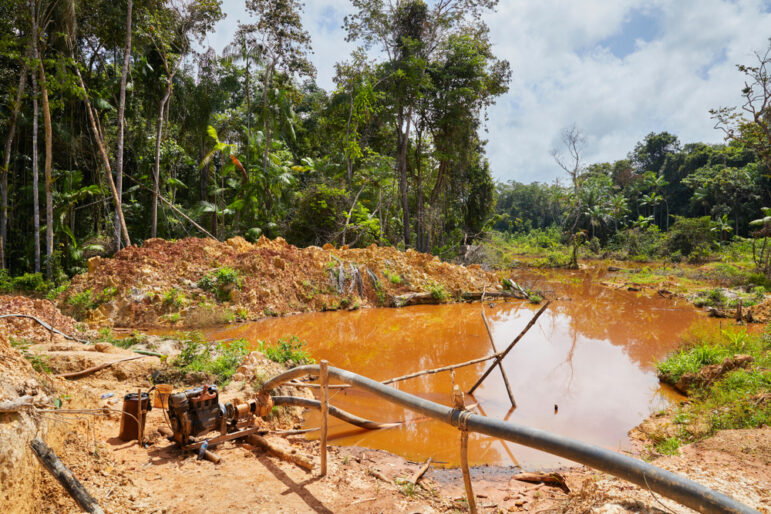
This Pulitzer Center-supported investigation dug into illegal gold mining in South America, and traced how these illicit products are secretly fed into legitimate supply chains.

Journalists around the world have mined the Strava fitness app to pinpoint secret military bases and track the movements of world leaders.

The Dating App Reporting Project conducted an 18-month investigation into the mechanisms meant to keep people safe on dating apps — and found them wanting.
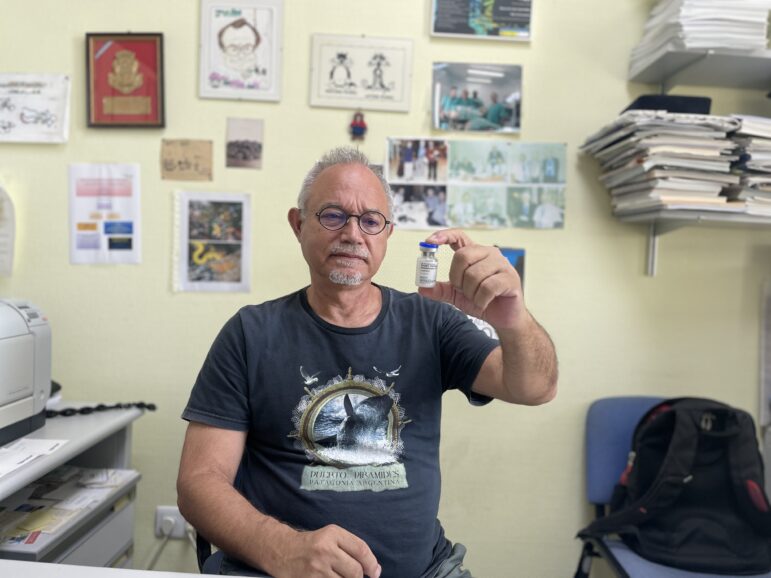
Two reporters from The Bureau of Investigative Journalism’s global health team explain how they uncovered the shady world of phony snakebite antivenom.

Two reporters, nominated for the 2025 Goldsmith Prize, spent years investigating legal agreements in California that hide police officers’ past misconduct from the public.

As extremism spreads across sub-Saharan Africa, journalists are turning to open source tools to track the networks and physical movement of these often violent groups.

TBIJ journalists explain how they got around SLAPP suits by having UK Members of Parliament — shielded by legal privilege — read in the House of Commons previously silenced stories.

Journalist Shiori Ito directed the Oscar-nominated documentary ‘Black Box Diaries,’ spending years reporting on her attacker and helping to spark the #MeToo movement in Japan.

This award-winning investigation into Xinjiang internment camp survivors was nearly silenced. Here are some lessons learned about keeping vulnerable sources safe and telling their stories.

We used WhatsApp to crowdsource information from Uber and Lyft drivers in NYC about company lockouts during a local, minimum wage dispute.

After a tip-off about unsustainable logging, Low Choon Chyuan conducted a year-long investigation combining on-the-ground environmental reporting with QGIS and satellite imagery.

Reporters at the Center for Collaborative Investigative Journalism explain how they used data to reveal systemic gender-based violence in Eswatini in southern Africa.

This investigation sought to answer key questions that no government could answer: What happens when someone goes missing at Europe’s borders? And how many burial sites are there across Europe?

The UK’s Post Office scandal saw hundreds of people wrongly prosecuted. For over a decade, investigative journalists from small outlets plugged away to uncover the truth.

GIJN spoke to the author of a 2024 Gabo Award-winning investigation into the case of 700 horses found abandoned in a field outside Buenos Aires.