

GIJC25
Reporting on War Crimes in Ukraine’s Occupied Territories
Ukrainian newsrooms combine OSINT, satellite imagery, and intercepted conversations to report on frontline regions that are off limits due to the war.
Ukrainian newsrooms combine OSINT, satellite imagery, and intercepted conversations to report on frontline regions that are off limits due to the war.

Despite the challenges of reporting in wartime, Ukrainian journalists continue to uncover corruption — even while under attack from disinformation campaigns.

In March 2022, Human Rights Watch embarked on what would become an almost two year-long investigation into the Russian siege of Mariupol. Here, we explain our methodology.

Reporters in Ukraine face constant physical danger, but the war hasn’t prevented them from uncovering corruption and other misdeeds.
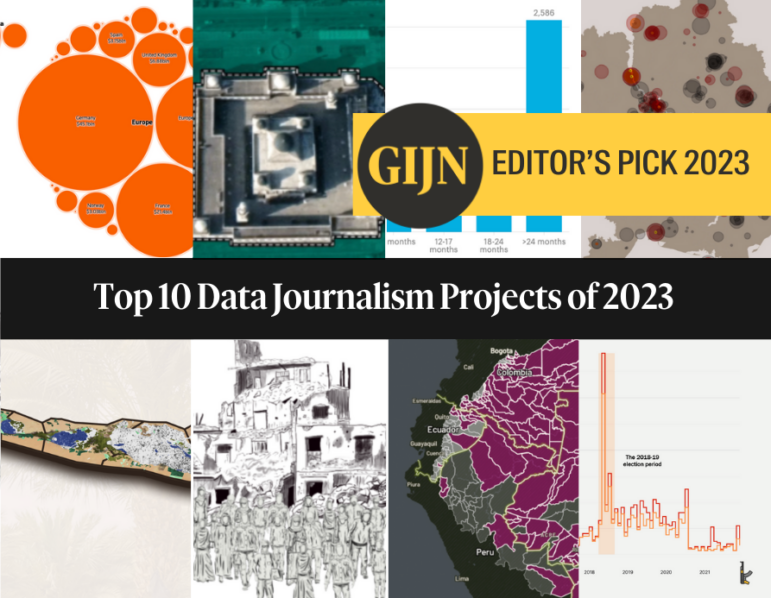
Featuring stories on climate change, pollution, algorithms, war and conflict, the Turkey-Syria earthquake, and a deadly migrant shipwreck in the Mediterranean.

The challenges for journalists covering Russia’s invasion of Ukraine are massive — from the obvious dangers of reporting on the ground, to investigating amid rampant disinformation.

From cultivating sources to verifying information, the challenges of investigating Russia from outside the country are numerous.
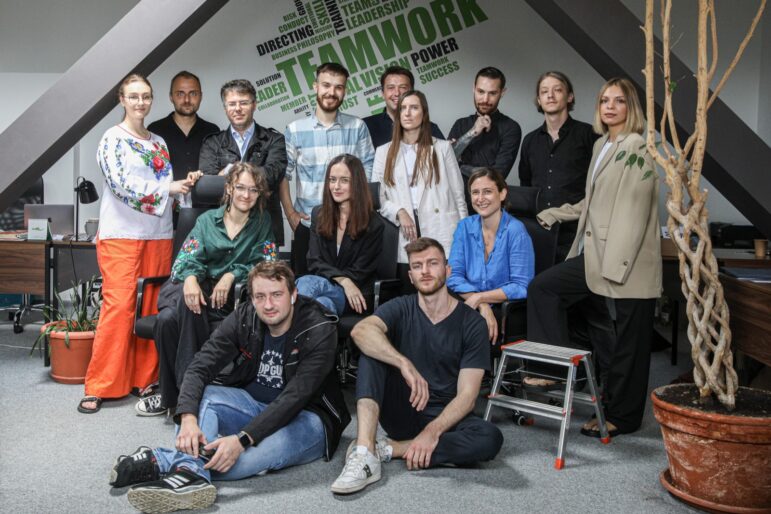
The Kyiv Independent was launched just months before the start of the war in Ukraine. In her keynote address at the CIJ summer conference, the outlet’s editor-in-chief spoke about the challenges of running an investigative project in the midst of conflict, and how the team have battled to make the organization sustainable.

Six outstanding investigative projects from Large Outlets have been selected as finalists for the 2023 Global Shining Light Awards (GSLA) — the prize honoring watchdog journalism in developing or transitioning countries that was carried out under threat, or in perilous conditions.
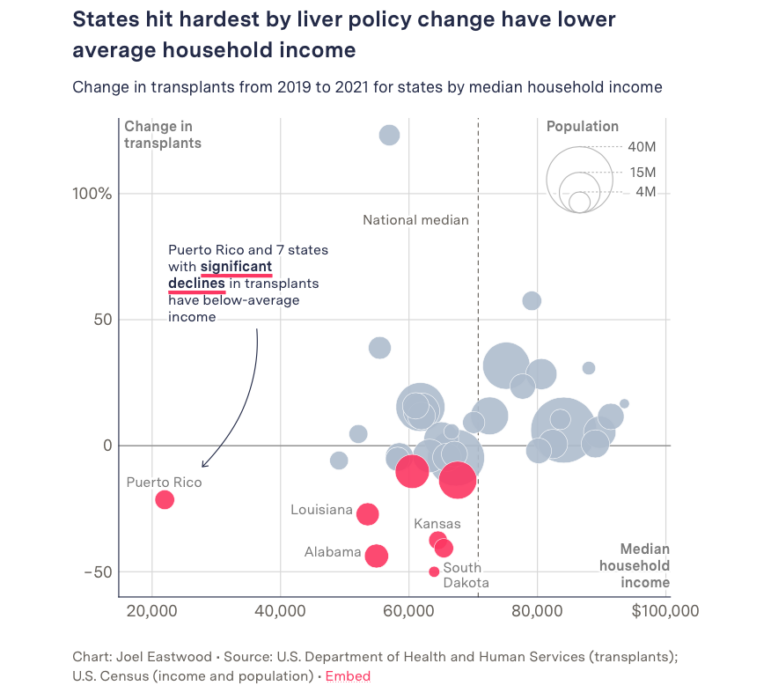
GIJN’s weekly curation of the most popular data journalism stories on Twitter features a look the impact of changes to organ donation rules in the US, drug usage in Europe based on wastewater analysis, a text analysis of layoff memos written by tech industry chief executives, and an examination of protests across Russia in 2022.
In 2001 GIJN was born, as investigative journalists from around the globe met for the very first time to share ideas, tips, and best practices to strengthen their reporting in a world where journalism was increasingly under threat.
Today the threat has multiplied, and at GIJN we find ourselves under the same pressures as our member organizations. Most urgently: available funding for investigative journalism has been impacted as some longtime funders who supported journalism in the past are no longer doing so or have closed. Yet our work continues, more important than ever before.
GIJN serves as the global hub for the world’s investigative reporters. Our core mission is to support and strengthen investigative journalism—with special attention to those from repressive regimes and marginalized communities.
We are embarking on our first-ever campaign initiative to help us expand our revenue by the end of the year through individual donors. If you have ever joined one of our free webinars, used one of our free resources, learned a new skill thanks to a GIJN training, or simply believe that press freedom is essential to civil society, we ask you to show your support for GIJN’s work with a donation of your choosing. Called “Friends of GIJN,” this campaign includes a more personalized experience, starting in 2027, for individuals who answer the call to join with us during this unprecedented time.
Truth and democracy are under attack around the world. You can fight back by helping GIJN support investigative journalists with free access to the latest tools and techniques — so they can foster justice and hold accountable those who abuse the public trust.
With a staff based in 24 countries, GIJN works in a dozen languages each day, linking together the world’s most enterprising journalists, offering state-of-the-art training, webinars, tip sheets, and a Help Desk that responds to 2,000+ requests for assistance each year. More than 84% of GIJN’s operating budget goes directly to our program work.
Please make a gift today to support journalists on the front lines of the fight for accountability and human rights.