

Resource Database
Resources on Terrorism
Read more about the Global Terrorism Index, and explore maps, databases, academic journals, plus the list of US-designated terror and militant groups.
Read more about the Global Terrorism Index, and explore maps, databases, academic journals, plus the list of US-designated terror and militant groups.
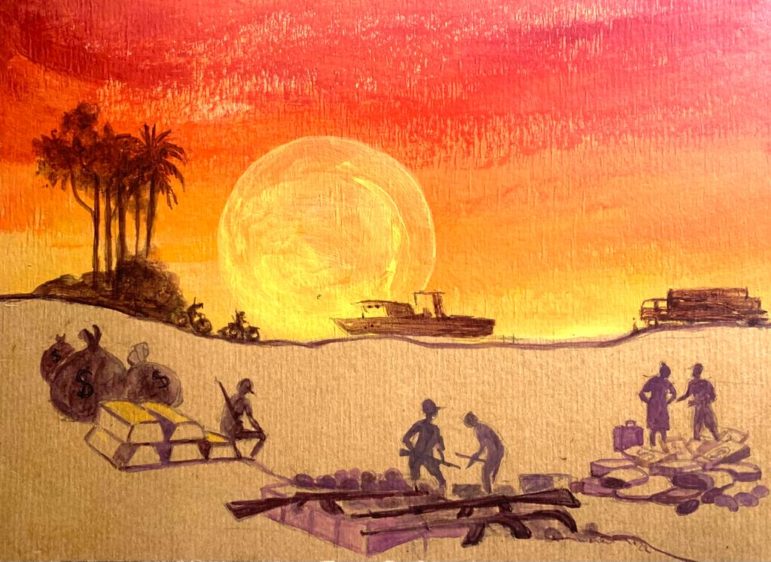
Organized crime is a global phenomenon. But Africa, with its deep-seated corruption and “resource curse,” is particularly hard hit.
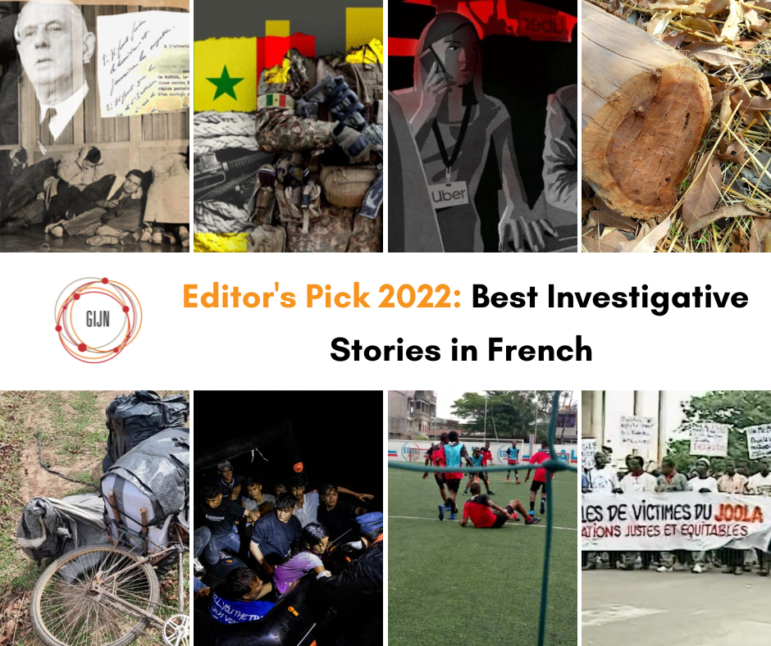
Geographical diversity, the stories’ impact and uniqueness, the risks taken, and the techniques used were some of our criteria for selecting the strongest French language investigations of the year, selected by GIJN French Editor Alcyone Wemaëre, GIJN Francophone Africa Editor Maxime Domegni, GIJN French Assistant Editor Moran Kerinec, and Africa Assistant Editor Aïssatou Fofana.
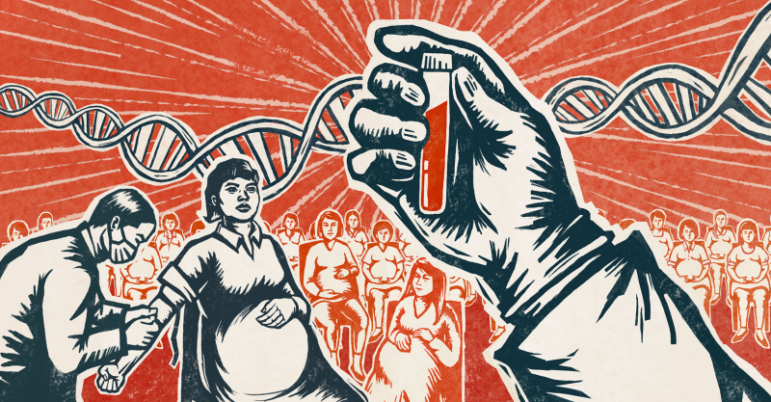
Ten years ago, terror attacks in Norway claimed the lives of 77 people and seriously injured at least 40. Our NodeXL mapping from July 5 to 11 found an interactive timeline piece by Norwegian newspaper Verdens Gang telling the story of a tragic event that impacted an entire nation. In this edition, we also feature an investigation by Reuters into a Chinese company harvesting genetic data from pregnant women, a series on gun violence in Chicago by The Trace, and a look at “silent” Russian politicians by IStories.
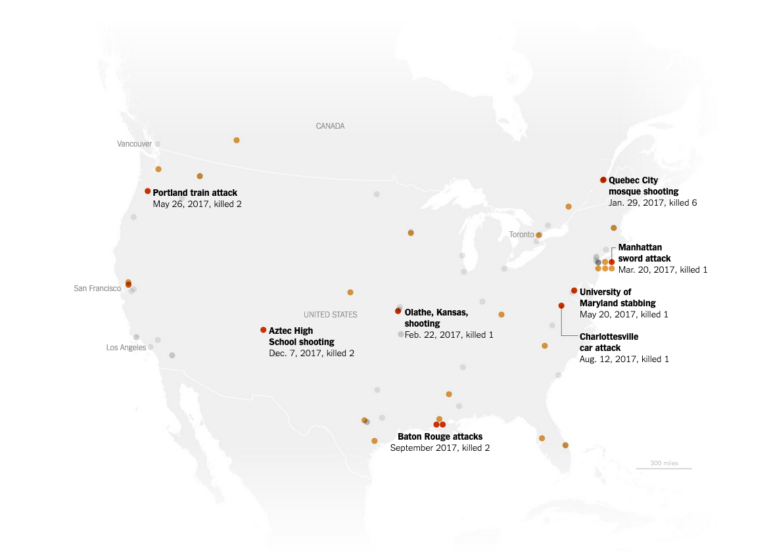
Last year The New York Times published an interactive article on white extremist killings from New Zealand to Norway to the United States. Using maps and a timeline to plot the data, the project revealed the troubling frequency and, in some cases, strange connections between the events. Here graphic designer Weiyi Cai explains how they obtained the data for project and the decisions they made about visualizing it.
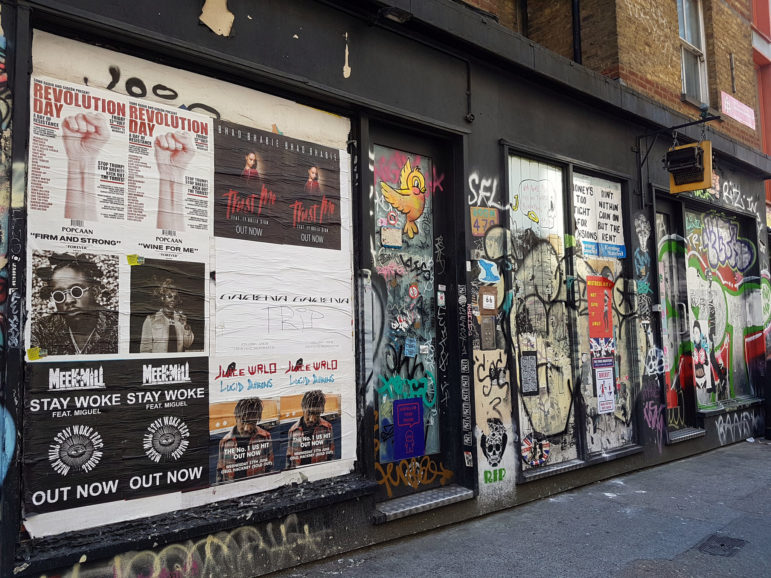
For the last three years Gavin Chait has been fighting — and winning — multiple freedom of information cases to unlock data on vacant properties. Here are the lengths he took to disprove the City of London’s excuse for not publishing information on unoccupied commercial properties.

What’s the global data journalism community tweeting about this week? Our NodeXL #ddj mapping from March 26 to April 1 finds @washingtonpost on fatal police shootings, @decodeurs mapping Europe’s terrorist attacks, @DagmedyaVeri’s open data resources for Turkey and an undated chart of shrinking donut holes from the @smithsonian archives.
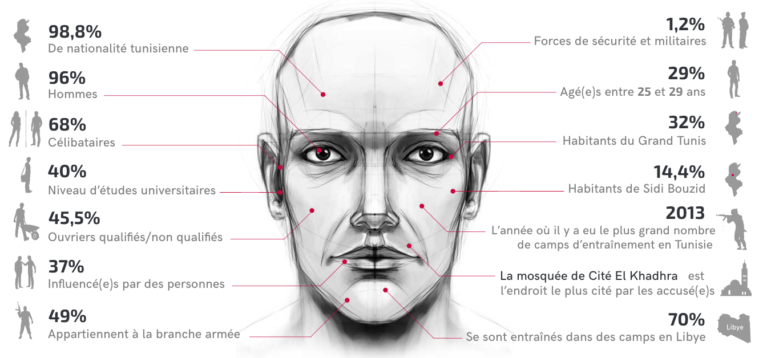
Doing good journalism in the Middle East and North African region is no easy feat. But since 2014, the journalists at Tunisia’s Inkyfada have been doing crucial investigative stories, supported by compelling visual storytelling and interactive reading experiences.
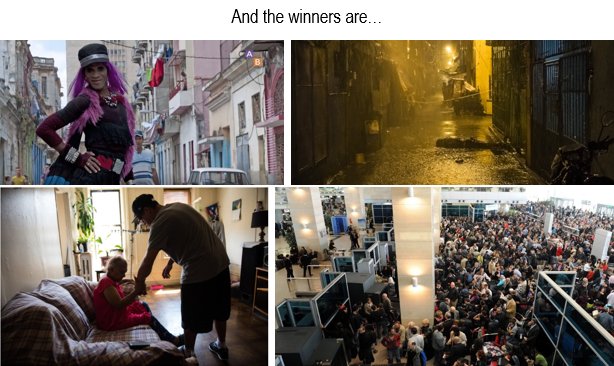
Drawn from a selection of 15 global and regional journalism awards, this list of best reads from 2017 is an inspiring selection of storytelling, investigative techniques, collaborative enterprises and fearless reporting against all odds.
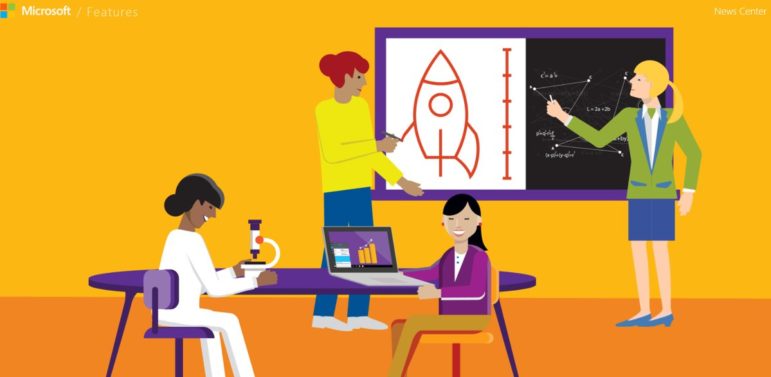
Here are the top data journalism tweets for March 20-26, per our NodeXL mapping: record low Arctic ice (@NASA); Europe’s STEM gender issue (@MSFTnews); satellite imagery search (@ddjournalism); Western Europe terrorism (@TheEconomist); storm #dataviz (@sciam); data resources (@jschwabish); & more.
In 2001 GIJN was born, as investigative journalists from around the globe met for the very first time to share ideas, tips, and best practices to strengthen their reporting in a world where journalism was increasingly under threat.
Today the threat has multiplied, and at GIJN we find ourselves under the same pressures as our member organizations. Most urgently: available funding for investigative journalism has been impacted as some longtime funders who supported journalism in the past are no longer doing so or have closed. Yet our work continues, more important than ever before.
GIJN serves as the global hub for the world’s investigative reporters. Our core mission is to support and strengthen investigative journalism—with special attention to those from repressive regimes and marginalized communities.
We are embarking on our first-ever campaign initiative to help us expand our revenue by the end of the year through individual donors. If you have ever joined one of our free webinars, used one of our free resources, learned a new skill thanks to a GIJN training, or simply believe that press freedom is essential to civil society, we ask you to show your support for GIJN’s work with a donation of your choosing. Called “Friends of GIJN,” this campaign includes a more personalized experience, starting in 2027, for individuals who answer the call to join with us during this unprecedented time.
Truth and democracy are under attack around the world. You can fight back by helping GIJN support investigative journalists with free access to the latest tools and techniques — so they can foster justice and hold accountable those who abuse the public trust.
With a staff based in 24 countries, GIJN works in a dozen languages each day, linking together the world’s most enterprising journalists, offering state-of-the-art training, webinars, tip sheets, and a Help Desk that responds to 2,000+ requests for assistance each year. More than 84% of GIJN’s operating budget goes directly to our program work.
Please make a gift today to support journalists on the front lines of the fight for accountability and human rights.