

How They Did It
How The New York Times Uncovered and Visualized Dangers Faced by Child Influencers
An interview with two journalists who investigated the world of child influencers and the highly sexualized nature of some of their most ardent fans.
An interview with two journalists who investigated the world of child influencers and the highly sexualized nature of some of their most ardent fans.

Telegram’s rapid growth means reporters and investigators need to become trained in new tools that can be used to search and analyze data from the platform.
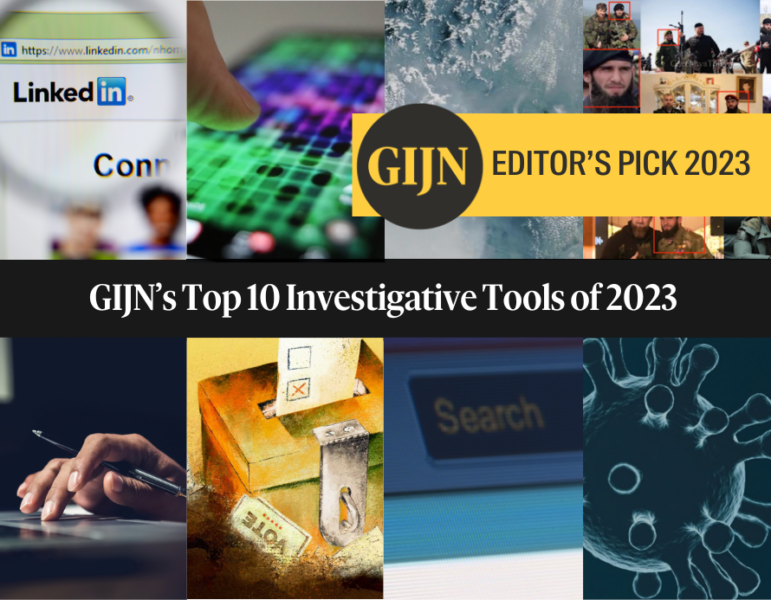
Having flagged the top tips at NICAR23, IRE23, and GIJC23 in Sweden, GIJN offers the following 10 user-friendly tools that you might consider in your next investigations.
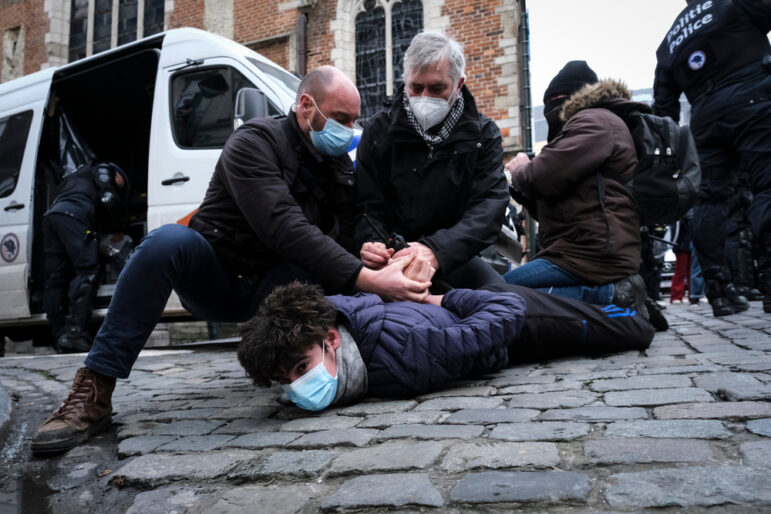
GIJN senior reporter Rowan Philip shares accumulated best practices from reporters around the world, on how to investigate culprits of war, human rights abuses, and other conflict.
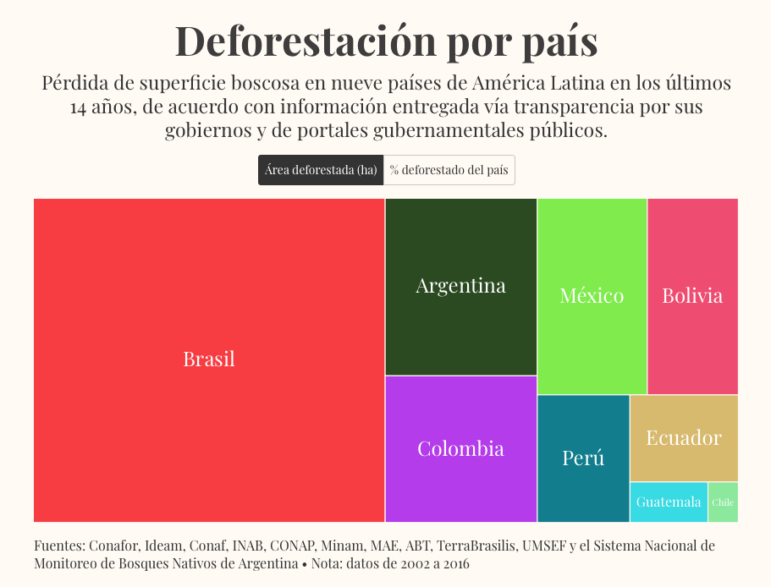
In this week’s Top 10 in Data Journalism, GIJN looks into stories about Latin American deforestation, Twitter’s censorship compliance, and the toxic legacy of bankrupt coal mines in the US.
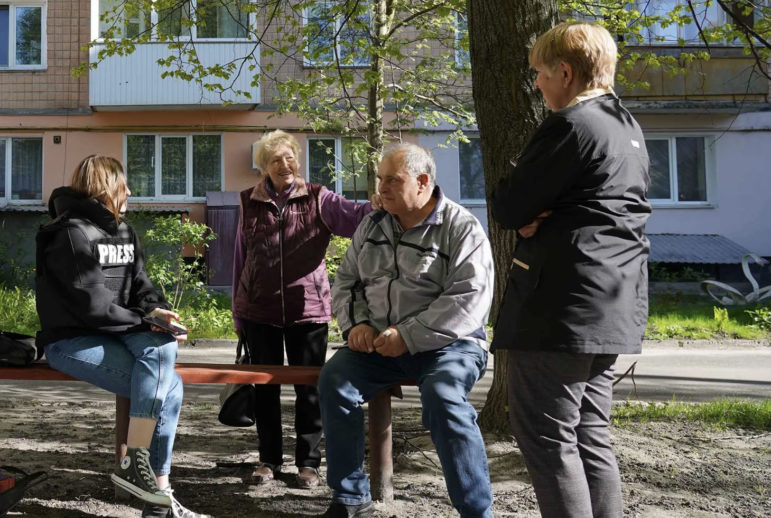
How reporters at OCCRP took a neighborhood Telegram chat from Bucha, Ukraine and turned it into an investigation of life under Russian occupation.

A website and Telegram channel operated from Russia falsely claims to be a fact-checking site and, in fact, is repeatedly pushing out Russian disinformation about the war.

Telegram is an invaluable research tool, helping journalists mine for information, investigate groups of people whose content is otherwise banned or limited on social media, and track protests and political movements in authoritarian countries. Here’s how to get started using it.
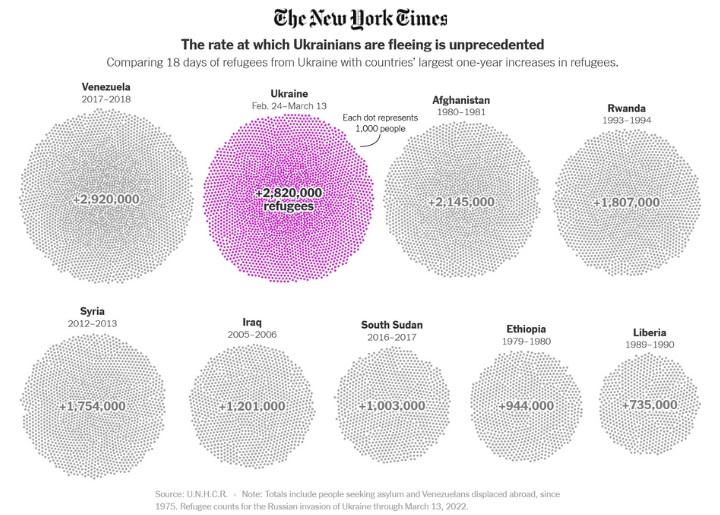
In GIJN’s weekly Top 10 in Data Journalism, we look at Russia’s overconfident war plans, the Ukrainian refugee crisis, the potential for a new malaria vaccine, and the ongoing COVID-19 catastrophe in Hong Kong.

There are scores of muckraking techniques that can help journalists gain access to elusive sources and data. Here we share the dozen online tools that leading reporters commonly praised in interviews with GIJN in the past year — and especially those that require few or no special digital skills.
In 2001 GIJN was born, as investigative journalists from around the globe met for the very first time to share ideas, tips, and best practices to strengthen their reporting in a world where journalism was increasingly under threat.
Today the threat has multiplied, and at GIJN we find ourselves under the same pressures as our member organizations. Most urgently: available funding for investigative journalism has been impacted as some longtime funders who supported journalism in the past are no longer doing so or have closed. Yet our work continues, more important than ever before.
GIJN serves as the global hub for the world’s investigative reporters. Our core mission is to support and strengthen investigative journalism—with special attention to those from repressive regimes and marginalized communities.
We are embarking on our first-ever campaign initiative to help us expand our revenue by the end of the year through individual donors. If you have ever joined one of our free webinars, used one of our free resources, learned a new skill thanks to a GIJN training, or simply believe that press freedom is essential to civil society, we ask you to show your support for GIJN’s work with a donation of your choosing. Called “Friends of GIJN,” this campaign includes a more personalized experience, starting in 2027, for individuals who answer the call to join with us during this unprecedented time.
Truth and democracy are under attack around the world. You can fight back by helping GIJN support investigative journalists with free access to the latest tools and techniques — so they can foster justice and hold accountable those who abuse the public trust.
With a staff based in 24 countries, GIJN works in a dozen languages each day, linking together the world’s most enterprising journalists, offering state-of-the-art training, webinars, tip sheets, and a Help Desk that responds to 2,000+ requests for assistance each year. More than 84% of GIJN’s operating budget goes directly to our program work.
Please make a gift today to support journalists on the front lines of the fight for accountability and human rights.