

Resource Video
Q&A Session with Reporters Shield
In this webinar, GIJN hosts a conversation with Clothilde Redfern and Jodi Blankenship, executive director and project manager of Reporters Shield.
In this webinar, GIJN hosts a conversation with Clothilde Redfern and Jodi Blankenship, executive director and project manager of Reporters Shield.

Security is essential for journalists, and for investigative journalists in particular. Tackling the issue, let alone understanding its complexities, can be challenging. To make the process easier, GIJN has worked with experts at the Ford Foundation to adapt Ford’s Cybersecurity Assessment Tool (CAT) for use by watchdog journalism groups. Our new Journalist Security Assessment Tool […]
The figures are grim for our colleagues around the world. Since 1992, 978 journalists have been killed, according to the Committee to Protect Journalists. More than 60 percent have been murdered with impunity; that is, no killer was ever brought to justice. And today, 232 journalists are in prison worldwide, many for doing what would […]
For many investigations — especially those involving corporations, or institutions in the West — the final step is to send a letter that sets out your findings and urges a response. Here, several investigative reporters share their tips on how to deal with obstructive subjects and ensure fairness — including fairness for dangerous governments that cannot be alerted to your findings before publication.
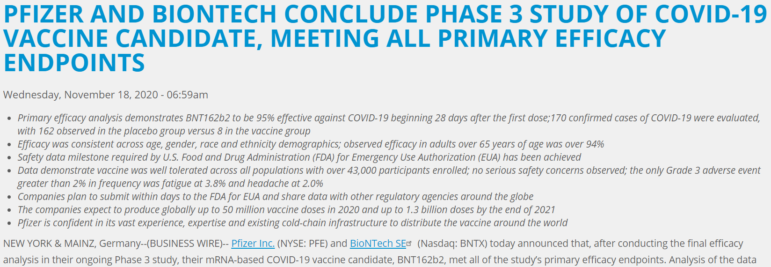
A November 18 press release, claiming a safe vaccine that protects 95% of people against COVID-19, by pharmaceutical companies Pfizer and BioNTech was greeted with excited headlines. In this article, two leading health reporters shared tips on how to read such releases and balanced cautious optimism with the provision that the release relied on interim results from a trial in an accelerated setting.
For the past seven weeks, a special GIJN project, #gijnElectionWatchdog, has provided US reporters with tools to tackle the toughest election stories in daily tweets and weekly roundups. Here, with just a few days remaining til a hugely consequential election, we share quick-reference tools that matter in this period for time-pressed journalists.
Journalists are playing a critical role informing the public about the virus. Understanding it — and the measures governments are putting in place to control reporting of the pandemic — are vital if journalists are going to report safely.

In a global crisis like this, journalists play a critical role: they inform the public and they monitor and report abuses of power by officials. But how can they do this when they’re dealing with psychological stress and threats to their own health and safety? In this webinar “Staying Safe: How to Report a Pandemic,” two experts will focus on how to best manage the multiple threats faced by journalists when reporting on COVID-19.
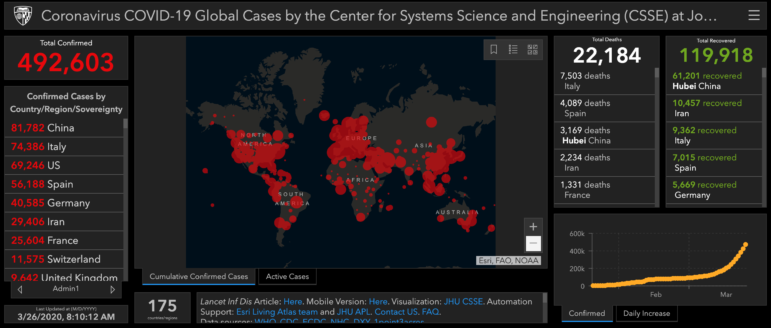
It is difficult to fathom how far the novel virus might spread, and what the ultimate consequences will be. With all the uncertainties, journalists around the world are faced with the many challenges of covering the epidemic — including combating misinformation and health risks to reporters in the field — while not fueling panic.
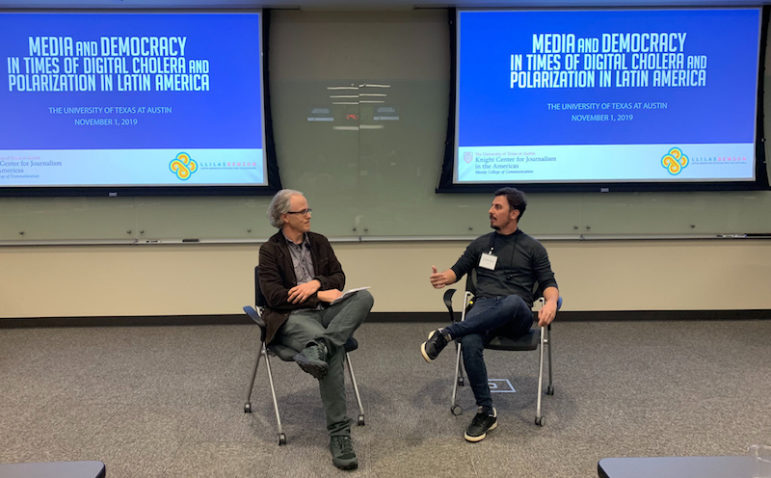
Journalists in Brazil are coming under attack more than ever, both on and offline, says Leandro Demori, executive editor of investigative site The Intercept Brasil. This is happening in a context of increasing political polarization in the country.
In 2001 GIJN was born, as investigative journalists from around the globe met for the very first time to share ideas, tips, and best practices to strengthen their reporting in a world where journalism was increasingly under threat.
Today the threat has multiplied, and at GIJN we find ourselves under the same pressures as our member organizations. Most urgently: available funding for investigative journalism has been impacted as some longtime funders who supported journalism in the past are no longer doing so or have closed. Yet our work continues, more important than ever before.
GIJN serves as the global hub for the world’s investigative reporters. Our core mission is to support and strengthen investigative journalism—with special attention to those from repressive regimes and marginalized communities.
We are embarking on our first-ever campaign initiative to help us expand our revenue by the end of the year through individual donors. If you have ever joined one of our free webinars, used one of our free resources, learned a new skill thanks to a GIJN training, or simply believe that press freedom is essential to civil society, we ask you to show your support for GIJN’s work with a donation of your choosing. Called “Friends of GIJN,” this campaign includes a more personalized experience, starting in 2027, for individuals who answer the call to join with us during this unprecedented time.
Truth and democracy are under attack around the world. You can fight back by helping GIJN support investigative journalists with free access to the latest tools and techniques — so they can foster justice and hold accountable those who abuse the public trust.
With a staff based in 24 countries, GIJN works in a dozen languages each day, linking together the world’s most enterprising journalists, offering state-of-the-art training, webinars, tip sheets, and a Help Desk that responds to 2,000+ requests for assistance each year. More than 84% of GIJN’s operating budget goes directly to our program work.
Please make a gift today to support journalists on the front lines of the fight for accountability and human rights.