

GIJC23 Reporting Tools & Tips
From Real Estate to Racehorses: Tracking Hidden Assets Around the World
When reporters know how to follow the money, hidden wealth can often be uncovered in real estate, planes, yachts, artwork, and even racehorses.
When reporters know how to follow the money, hidden wealth can often be uncovered in real estate, planes, yachts, artwork, and even racehorses.
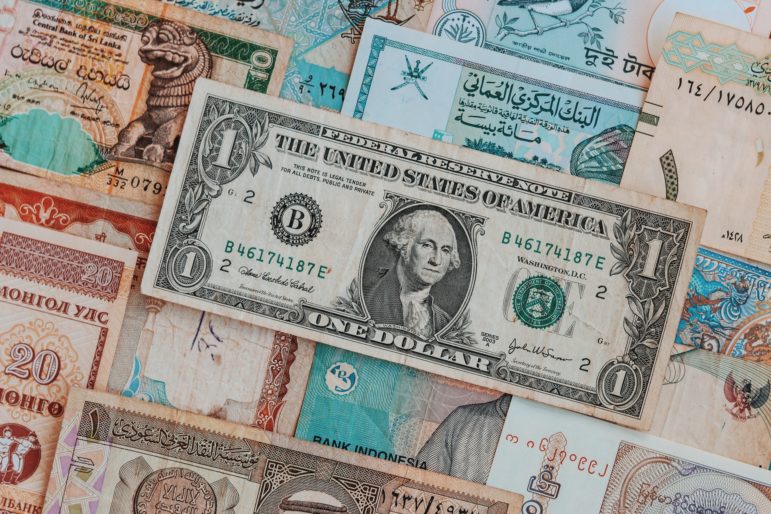
From the Pandora Papers to massive “laundromat” exposes, we are witnessing the era of massive leaks exposing financial corruption. But how do you go from a leaked thumb drive to a global exposé of shadowy money? Three of the best sleuths at tracking businesses and investments hidden around the world — who were all part of the Pandora Papers team — offered lessons at GIJC21.

About a third of all countries in the world now require officials to publicly disclose their assets. Institutions like the World Bank and the OECD see this as a good thing. Asset declarations, they say, are crucial tools for fighting corruption and holding officials accountable. As an investigative journalist in the Philippines, I found asset statements vital to digging into conflicts of interest and the illegal accumulation of wealth by those in public office. But pushback on official disclosures is coming from an unlikely quarter.


It’s certainly one of the single biggest leaks of documents in the history of investigative reporting. Over the last 15 months, 86 journalists in 46 countries have been poring over a cache of 2.5 million documents on offshore holdings obtained by the International Consortium of Investigative Journalists. ICIJ coordinated the investigation from DC, using a secure messaging system to communicate with a worldwide team of journalists and free-text retrieval software and programmers on three continents to mine the information from the documents.
In 2001 GIJN was born, as investigative journalists from around the globe met for the very first time to share ideas, tips, and best practices to strengthen their reporting in a world where journalism was increasingly under threat.
Today the threat has multiplied, and at GIJN we find ourselves under the same pressures as our member organizations. Most urgently: available funding for investigative journalism has been impacted as some longtime funders who supported journalism in the past are no longer doing so or have closed. Yet our work continues, more important than ever before.
GIJN serves as the global hub for the world’s investigative reporters. Our core mission is to support and strengthen investigative journalism—with special attention to those from repressive regimes and marginalized communities.
We are embarking on our first-ever campaign initiative to help us expand our revenue by the end of the year through individual donors. If you have ever joined one of our free webinars, used one of our free resources, learned a new skill thanks to a GIJN training, or simply believe that press freedom is essential to civil society, we ask you to show your support for GIJN’s work with a donation of your choosing. Called “Friends of GIJN,” this campaign includes a more personalized experience, starting in 2027, for individuals who answer the call to join with us during this unprecedented time.
Truth and democracy are under attack around the world. You can fight back by helping GIJN support investigative journalists with free access to the latest tools and techniques — so they can foster justice and hold accountable those who abuse the public trust.
With a staff based in 24 countries, GIJN works in a dozen languages each day, linking together the world’s most enterprising journalists, offering state-of-the-art training, webinars, tip sheets, and a Help Desk that responds to 2,000+ requests for assistance each year. More than 84% of GIJN’s operating budget goes directly to our program work.
Please make a gift today to support journalists on the front lines of the fight for accountability and human rights.