

Resource Video
GIJC23 – Using Pinpoint to Organize Unstructured Data
Pinpoint is a powerful tool for converting unstructured data (text and other forms of messy data) into datasets that can be analyzed and used for stories.
Pinpoint is a powerful tool for converting unstructured data (text and other forms of messy data) into datasets that can be analyzed and used for stories.

At a time of unprecedented attacks on the press, it is critical to understand what impact means, why it matters, and how journalists can increase it.

Here’s how mobile journalists tell big stories with small cameras. This session showcases the latest tech, tools, apps and techniques for field reporting with mobile gear.

More than half of the world’s countries have laws that require officials to supply public documents on request, offering valuable windows for reporters.

This workshop provides a hands-on guide to tools and techniques used to investigate digital ads on websites, apps, and social media networks.

This panel will delve into how to navigate this sometimes fraught relationship and offer best practices on how to tap into what can be a shady underworld.

The challenges for journalists covering Russia’s invasion of Ukraine are massive — from the obvious dangers of reporting on the ground, to investigating amid rampant disinformation.

Think there’s no data in your story? Create your own. Journalists can use polls, physical surveys, documents, or even monitoring devices to create their own data. We’ll give you examples of how these techniques are used and some best practices for doing it yourself. ———————– The Global Investigative Journalism Network is an international association of […]

Over the past four days, 1,700 journalists from 130 countries gathered in Hamburg, Germany, to share experiences, learn from expert speakers, network with kindred spirits, and find new partners for their next investigations. It was the most diverse and largest-ever international gathering of investigative journalists, and a perfect place to be inspired.
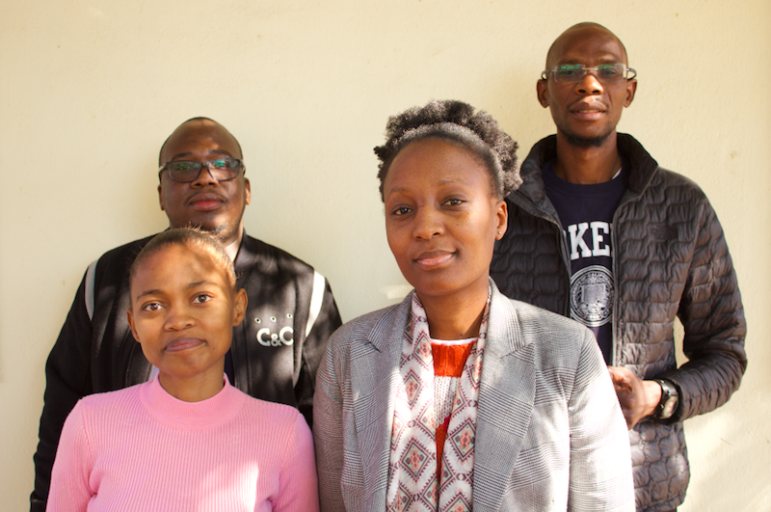
Two investigative editors took huge pay cuts to launch Botswana’s first nonprofit newsroom. A year later, they took another, temporary cut just to pay for a single satellite image that proved that the country’s president had abused state funds to build a private lodge. Here’s Rowan Philp on the INK Centre for Investigative Journalism for GIJN’s member series.
In 2001 GIJN was born, as investigative journalists from around the globe met for the very first time to share ideas, tips, and best practices to strengthen their reporting in a world where journalism was increasingly under threat.
Today the threat has multiplied, and at GIJN we find ourselves under the same pressures as our member organizations. Most urgently: available funding for investigative journalism has been impacted as some longtime funders who supported journalism in the past are no longer doing so or have closed. Yet our work continues, more important than ever before.
GIJN serves as the global hub for the world’s investigative reporters. Our core mission is to support and strengthen investigative journalism—with special attention to those from repressive regimes and marginalized communities.
We are embarking on our first-ever campaign initiative to help us expand our revenue by the end of the year through individual donors. If you have ever joined one of our free webinars, used one of our free resources, learned a new skill thanks to a GIJN training, or simply believe that press freedom is essential to civil society, we ask you to show your support for GIJN’s work with a donation of your choosing. Called “Friends of GIJN,” this campaign includes a more personalized experience, starting in 2027, for individuals who answer the call to join with us during this unprecedented time.
Truth and democracy are under attack around the world. You can fight back by helping GIJN support investigative journalists with free access to the latest tools and techniques — so they can foster justice and hold accountable those who abuse the public trust.
With a staff based in 24 countries, GIJN works in a dozen languages each day, linking together the world’s most enterprising journalists, offering state-of-the-art training, webinars, tip sheets, and a Help Desk that responds to 2,000+ requests for assistance each year. More than 84% of GIJN’s operating budget goes directly to our program work.
Please make a gift today to support journalists on the front lines of the fight for accountability and human rights.