
News & Analysis
How a Purported Fact-Checking Site Spreads Russian Propaganda
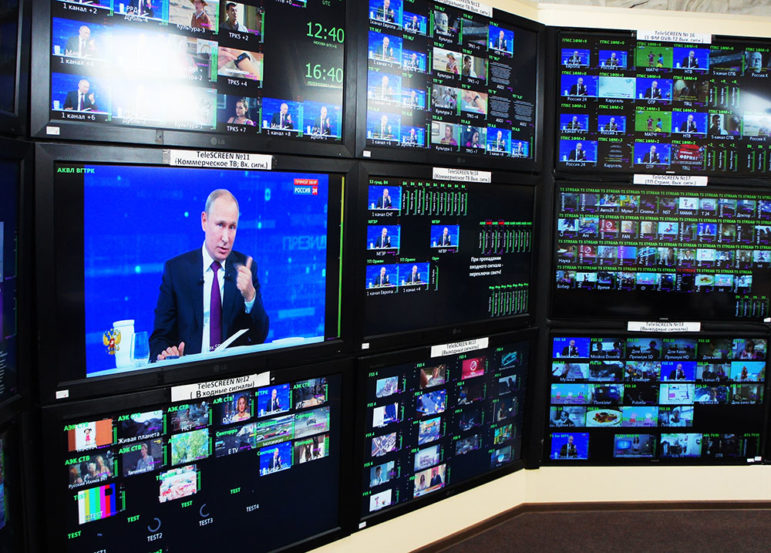
A website and Telegram channel operated from Russia falsely claims to be a fact-checking site and, in fact, is repeatedly pushing out Russian disinformation about the war.
A website and Telegram channel operated from Russia falsely claims to be a fact-checking site and, in fact, is repeatedly pushing out Russian disinformation about the war.
To investigate what the Russian invasion looked like to TikTok users in Russia and Ukraine, and how the content available differed from one side of the border to the other, a team of journalists from the Norwegian broadcasting company NRK set out to investigate the social networking site’s algorithms and how a user’s location provides differing digital narratives about the war.

The Sigma Awards celebrate the best in data journalism from around the world. Speaking at the Perugia International Journalism Festival, three of the founders of the award highlighted the best projects of recent years and pointed to what journalists can learn from these data stories.
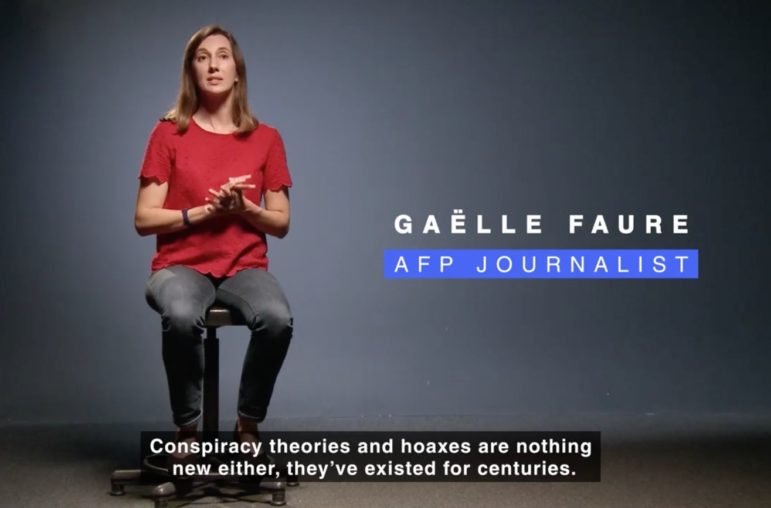
Gaëlle Faure edits stories about misinformation written by digital investigative and verification reporters based in Agence France-Presse’s bureaus in Africa, and also works on fact-check training for journalists around the world. In this interview, she speaks about her job at AFP and about the challenges that misinformation poses to journalists around the world.
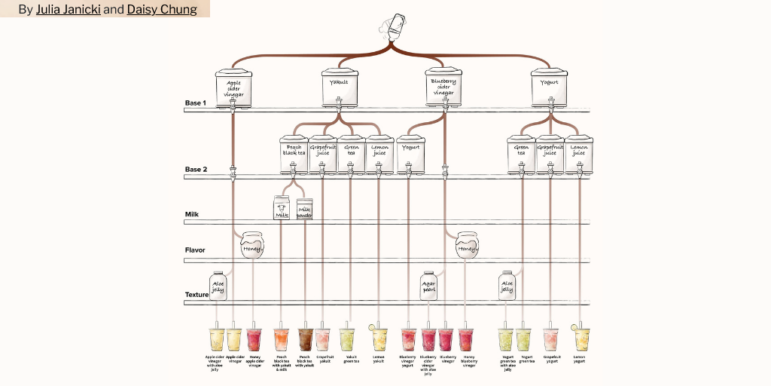
Our weekly NodeXL curation of the most popular data journalism stories on Twitter includes a look at how women in the headlines can be used to perpetuate existing stereotypes, an examination of how large pockets of unvaccinated individuals are driving the pandemic in the US, and a fun make-your-own bubble tea interactive adventure.
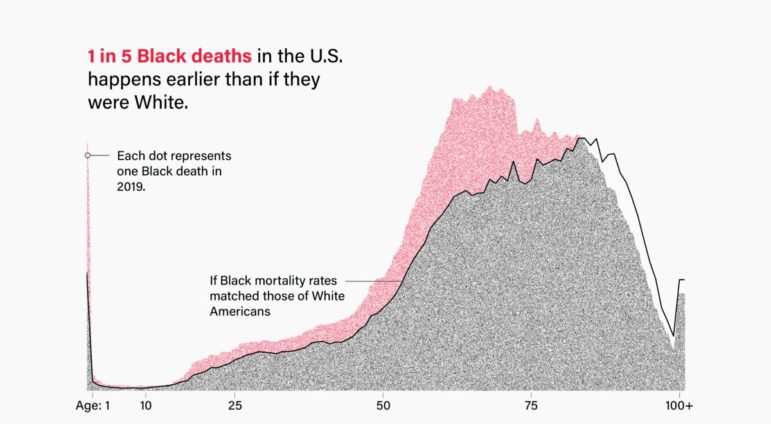
Tracking the most popular data journalism stories on Twitter from August 30 to September 5, using NodeXL mapping and our own human curation, we found a series of infographics by Al Jazeera illustrating the scale of the looming crisis. In this edition, we also feature a New York Times investigation into Bitcoin’s energy use, an examination of the Black mortality gap in the United States by The Marshall Project, and a look at the varying successes of the actors who have played James Bond by The Times (UK).

GIJN has updated our popular step-by-step guide on verifying images to help find out whether the photo you saw on social media is the real thing. Try out some simple-to-use free tools — including TinEye, Google Reverse Image Search, Photo Sherlock, and Fake Image Detector — to check the source of a picture and whether it has been manipulated.

When Nino Bakradze was growing up in Georgia in the ’90s, the country was embroiled in a civil war and a post-USSR economic crisis. In a media landscape dominated by state TV, investigative journalism just didn’t happen. The situation hadn’t changed much when she graduated, so she set up iFact to turn the tables. GIJN’s Alexandra Tyan spoke to the team.
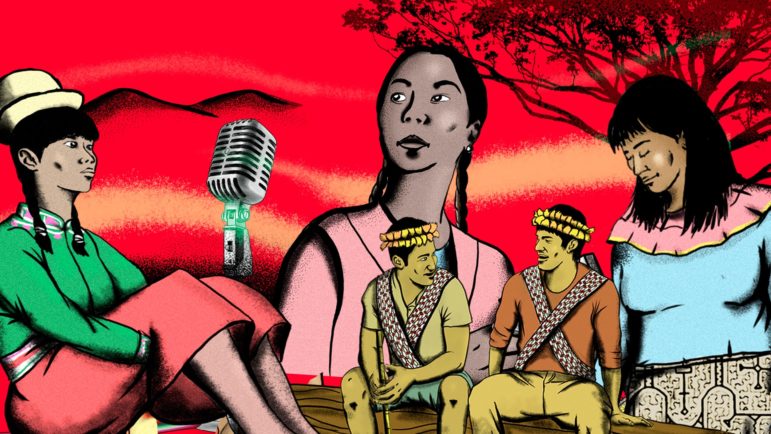
An alliance of regional radio stations, backed by the Peruvian investigative network OjoPúblico, has begun an unprecedented effort to fight disinformation in Indigenous languages for people living in the Andean and Amazonian regions. To date, hundreds of explanatory pieces about COVID-19 have been created in five Indigenous languages and broadcast by 15 radio stations in eight different regions.

Wisconsin-based freelance reporter and writer Howard Hardee writes about the inextricable link between online harassment and disinformation, and what individual reporters and newsrooms can do about it.