

Resource Video
GIJC23 – Criminal States & Kleptocracies
Local communities are reporting impactful stories, providing tips and resources, and bolstering the finances of watchdog media around the world.
Local communities are reporting impactful stories, providing tips and resources, and bolstering the finances of watchdog media around the world.

In concert with GIJC21’s panel on the “New Organized Crime,” GIJN has released a comprehensive, multi-part reporting guide to investigating organized crime around the world, looking at nine key areas: criminal finance, narcotics, arms trade, environmental crime, forced disappearances, cybercrime, mafia states, human trafficking, and art and antiquities.
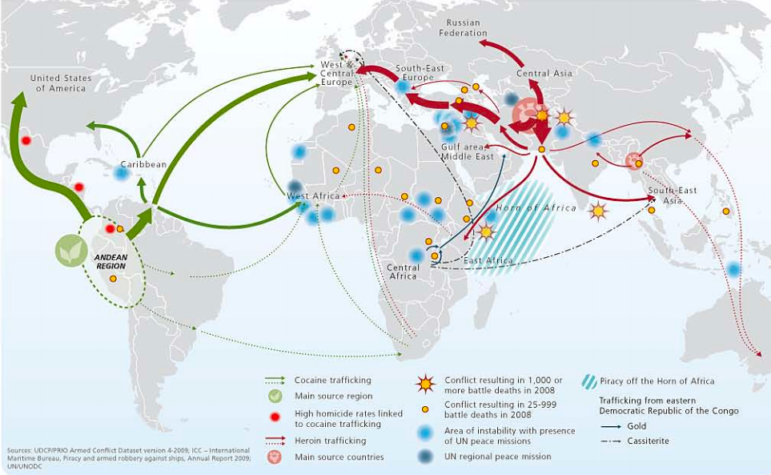
GIJN’s forthcoming guide to investigating organized crime features a chapter on what we call mafia states – countries that essentially operate as a criminal cartel and run the affairs of state much as a crime syndicate runs rackets. To explore this topic, we asked GIJN’s executive director David Kaplan to interview Drew Sullivan, co-founder and editor of the Organized Crime and Corruption Reporting Project.
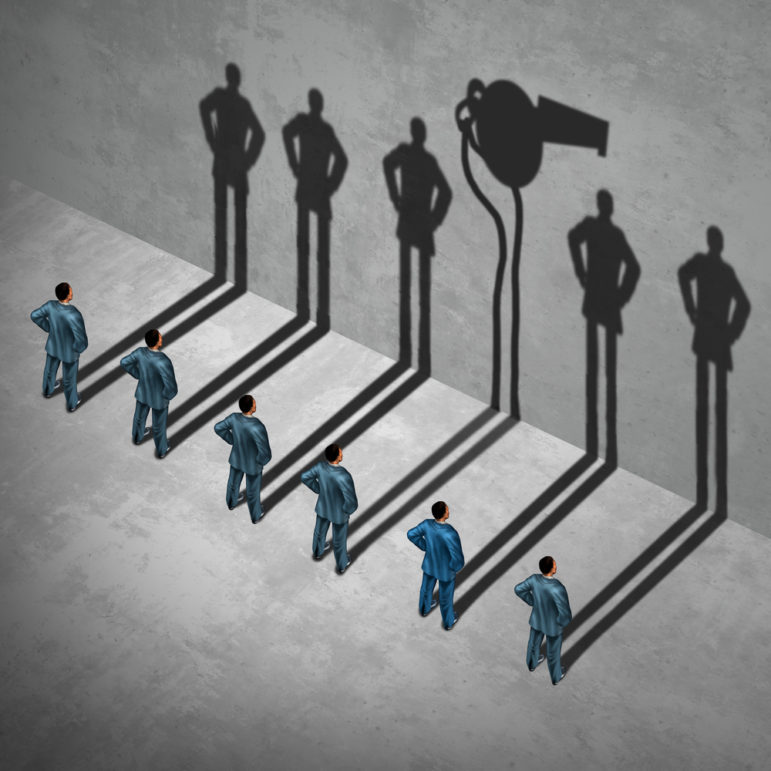
In this excerpt from his new book on protecting democracy, Larry Diamond, founding co-editor of the Journal of Democracy, outlines 10 steps to combat kleptocracy around the world. Among them is the need to end the use of anonymous shell companies and “increase international support for investigative journalism.”
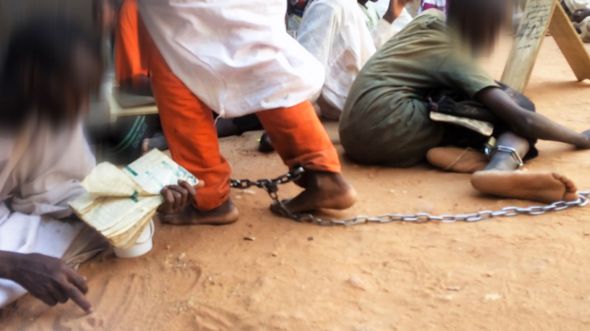
Following a seismic year for accountability journalism in 2020, GIJN asked prominent investigative journalists around the world to share topics that their teams will be looking at in 2021. Feedback from editors in 14 countries indicates an unusual amount of subject overlap for watchdog reporters this year, centered around vaccines, technology, and autocracy.

Show me the money! Experts from around the world shared their tips about how to track looted wealth at the 2017 Global Investigative Journalism Conference.
In 2001 GIJN was born, as investigative journalists from around the globe met for the very first time to share ideas, tips, and best practices to strengthen their reporting in a world where journalism was increasingly under threat.
Today the threat has multiplied, and at GIJN we find ourselves under the same pressures as our member organizations. Most urgently: available funding for investigative journalism has been impacted as some longtime funders who supported journalism in the past are no longer doing so or have closed. Yet our work continues, more important than ever before.
GIJN serves as the global hub for the world’s investigative reporters. Our core mission is to support and strengthen investigative journalism—with special attention to those from repressive regimes and marginalized communities.
We are embarking on our first-ever campaign initiative to help us expand our revenue by the end of the year through individual donors. If you have ever joined one of our free webinars, used one of our free resources, learned a new skill thanks to a GIJN training, or simply believe that press freedom is essential to civil society, we ask you to show your support for GIJN’s work with a donation of your choosing. Called “Friends of GIJN,” this campaign includes a more personalized experience, starting in 2027, for individuals who answer the call to join with us during this unprecedented time.
Truth and democracy are under attack around the world. You can fight back by helping GIJN support investigative journalists with free access to the latest tools and techniques — so they can foster justice and hold accountable those who abuse the public trust.
With a staff based in 24 countries, GIJN works in a dozen languages each day, linking together the world’s most enterprising journalists, offering state-of-the-art training, webinars, tip sheets, and a Help Desk that responds to 2,000+ requests for assistance each year. More than 84% of GIJN’s operating budget goes directly to our program work.
Please make a gift today to support journalists on the front lines of the fight for accountability and human rights.