
Methodology Reporting Tools & Tips
New Technology and Online Resources to Conduct Investigations With Old Photos
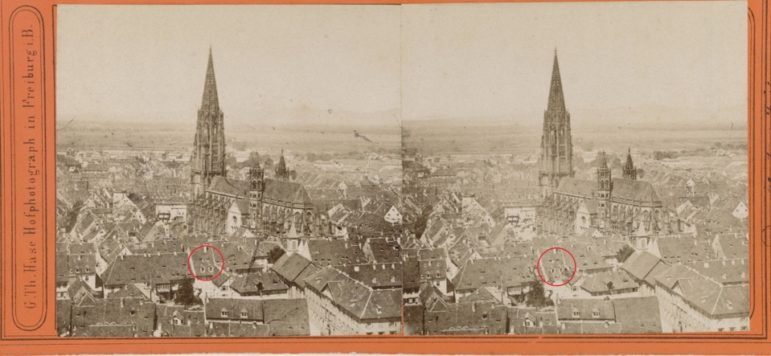
Bellingcat’s Foeke Postma offers tips and tools for using new technology and online resources to investigate old photographs.
Bellingcat’s Foeke Postma offers tips and tools for using new technology and online resources to investigate old photographs.
In our latest GIJN webinar, members of forensic investigation teams from Bellingcat and The Washington Post explained how they analyzed the killing of Palestinian-American journalist Shireen Abu Akleh, who was shot in the West Bank city of Jenin in May.
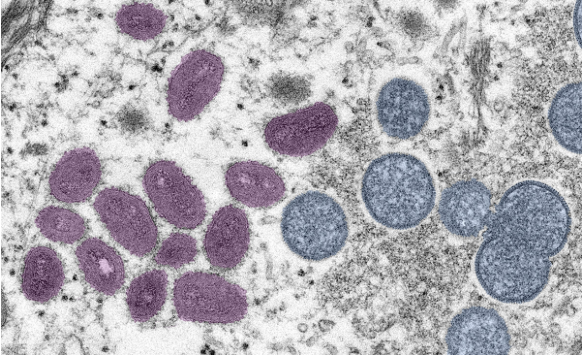
To help investigative journalists with their reporting on the Mpox public health emergency, The Journalist’s Resource has gathered numerous key facts, resources, and peer-reviewed studies.
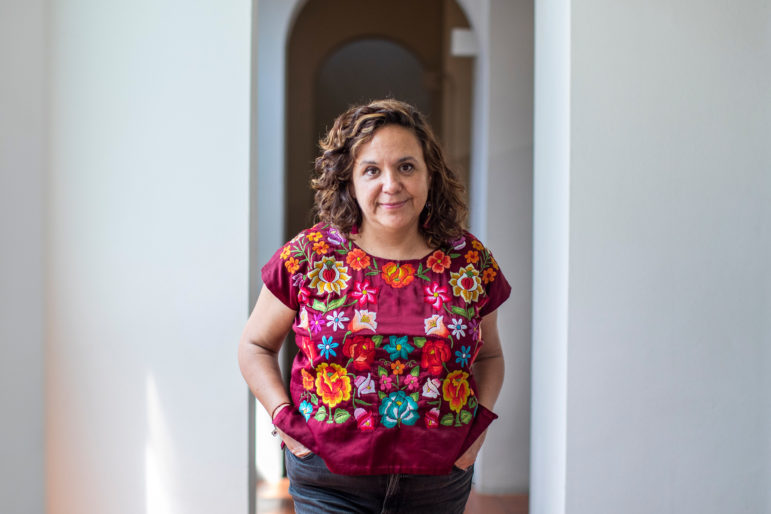
Journalist Marcela Turati has spent years investigating who is responsible for the thousands of people who have gone missing in Mexico. She spoke to Revista 5W magazine about her work, the dangers of investigating corruption in the country, and why it is so difficult to try and track down who is behind violent crimes against journalists and migrants.

While there are plenty of examples of student investigative reporters who are supported by their institutions, there are many others who face a lack of cooperation, low pay, legal threats, funding issues, and even physical harm.

Some of the most significant progress in newsroom information security over the past decade has been in smaller, more recently-formed digital startups — many of them investigative outlets. They are proving they can effectively incorporate strong information security strategies into their highly adaptive and responsive workflows.
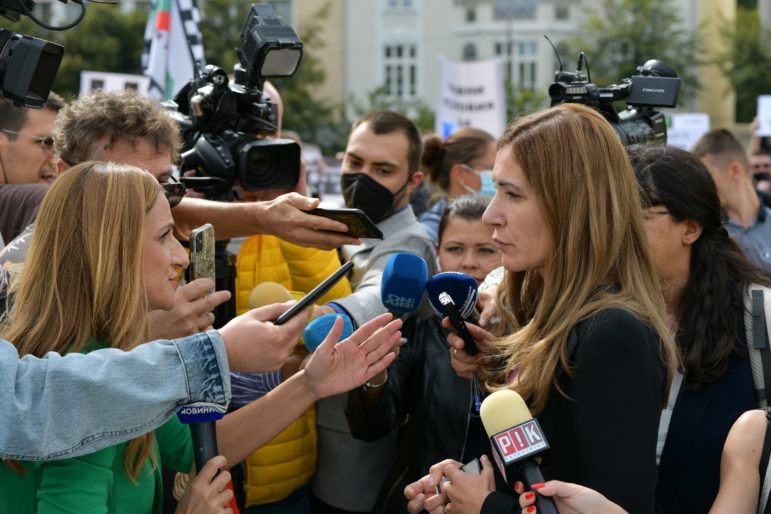
Officials and executives who are under intense scrutiny often dodge interviews with journalists. Here, four veteran investigative reporters share tips on how to land and ‘nail’ tough accountability interviews, based on experiences from their recent investigative projects.

Shireen Abu Akleh, a prominent Palestinian-American journalist working with Al Jazeera, was killed by a gunshot to the head on the morning of May 11, 2022, while reporting from Jenin, a city in the West Bank. Abu Akleh was covering a raid by the Israeli Defense Forces (IDF). The controversial killing has drawn global media […]
Investigative journalists work tirelessly to get the truth and ensure that the public is informed on topics that are of public interest. Jamlab interviewed nine African investigative journalists to talk about their experiences of reporting in their respective countries.
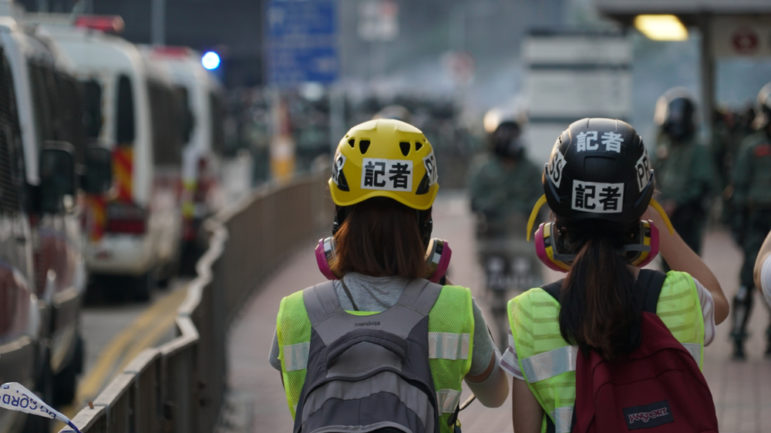
Conditions for journalists in authoritarian countries are challenging and often dangerous. In light of these challenges, journalists and donors need to widen their understanding of the less traditional ways journalism generates impact.
In 2001 GIJN was born, as investigative journalists from around the globe met for the very first time to share ideas, tips, and best practices to strengthen their reporting in a world where journalism was increasingly under threat.
Today the threat has multiplied, and at GIJN we find ourselves under the same pressures as our member organizations. Most urgently: available funding for investigative journalism has been impacted as some longtime funders who supported journalism in the past are no longer doing so or have closed. Yet our work continues, more important than ever before.
GIJN serves as the global hub for the world’s investigative reporters. Our core mission is to support and strengthen investigative journalism—with special attention to those from repressive regimes and marginalized communities.
We are embarking on our first-ever campaign initiative to help us expand our revenue by the end of the year through individual donors. If you have ever joined one of our free webinars, used one of our free resources, learned a new skill thanks to a GIJN training, or simply believe that press freedom is essential to civil society, we ask you to show your support for GIJN’s work with a donation of your choosing. Called “Friends of GIJN,” this campaign includes a more personalized experience, starting in 2027, for individuals who answer the call to join with us during this unprecedented time.
Truth and democracy are under attack around the world. You can fight back by helping GIJN support investigative journalists with free access to the latest tools and techniques — so they can foster justice and hold accountable those who abuse the public trust.
With a staff based in 24 countries, GIJN works in a dozen languages each day, linking together the world’s most enterprising journalists, offering state-of-the-art training, webinars, tip sheets, and a Help Desk that responds to 2,000+ requests for assistance each year. More than 84% of GIJN’s operating budget goes directly to our program work.
Please make a gift today to support journalists on the front lines of the fight for accountability and human rights.