Resource
Forced Labor and Fair Recruitment: A Toolkit for Journalists
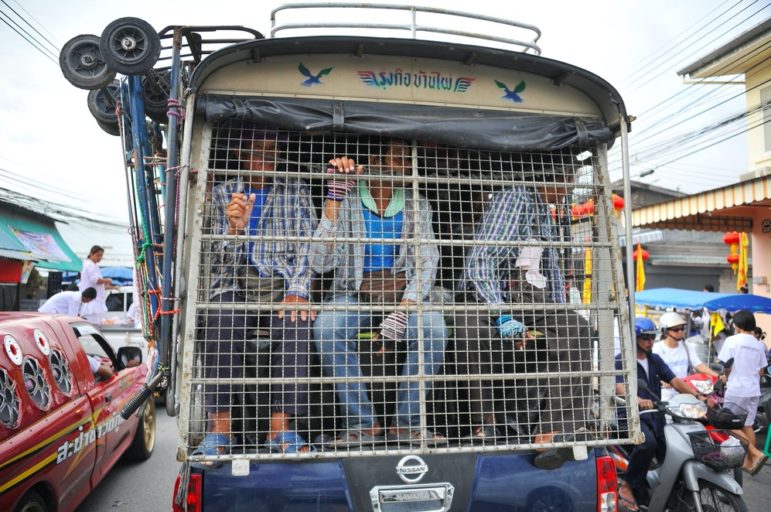
The International Labour Organization has published a reporting toolkit to help investigative journalists cover forced labor, human trafficking, and other worker abuse issues.
A website and Telegram channel operated from Russia falsely claims to be a fact-checking site and, in fact, is repeatedly pushing out Russian disinformation about the war.
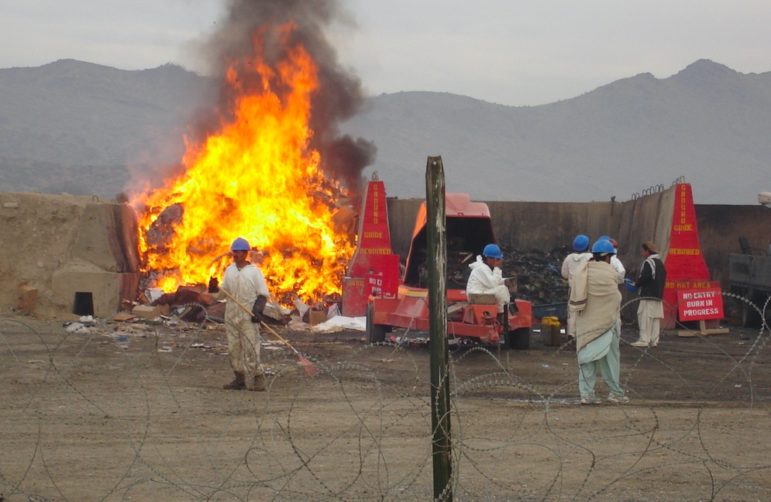
The reporter who first broke open the US military burn pits scandal and its hazardous environmental impact on veterans discusses how she reported the story and tracked its evolution to the halls of the US Congress.
Bellingcat’s Foeke Postma offers tips and tools for using new technology and online resources to investigate old photographs.
In our latest GIJN webinar, members of forensic investigation teams from Bellingcat and The Washington Post explained how they analyzed the killing of Palestinian-American journalist Shireen Abu Akleh, who was shot in the West Bank city of Jenin in May.
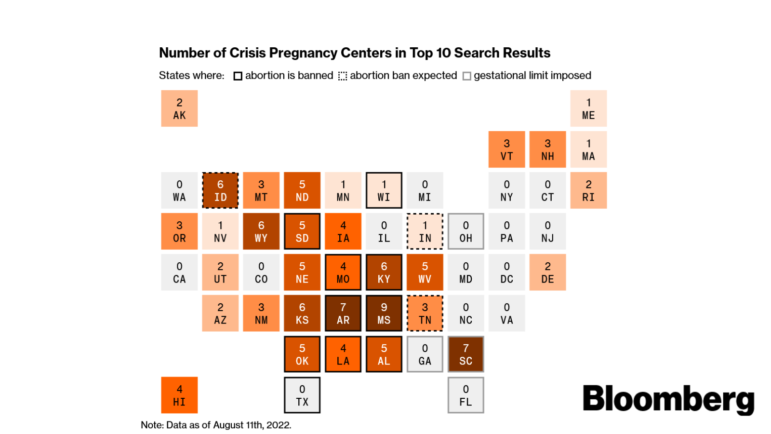
Our weekly analysis of the most popular data journalism stories on Twitter spotlights a Bloomberg investigation on Google search results for abortion, a story on the impact of state meddling in the finances of Canada’s Indigenous First Nations, data revealing a crisis in accident and emergency services in England, heat wave predictions for the year 2053 in the US, and for the film fans, a network visualization of the Marvel Cinematic Universe.
To help investigative journalists with their reporting on the Mpox public health emergency, The Journalist’s Resource has gathered numerous key facts, resources, and peer-reviewed studies.
Journalist Marcela Turati has spent years investigating who is responsible for the thousands of people who have gone missing in Mexico. She spoke to Revista 5W magazine about her work, the dangers of investigating corruption in the country, and why it is so difficult to try and track down who is behind violent crimes against journalists and migrants.
While there are plenty of examples of student investigative reporters who are supported by their institutions, there are many others who face a lack of cooperation, low pay, legal threats, funding issues, and even physical harm.
Some of the most significant progress in newsroom information security over the past decade has been in smaller, more recently-formed digital startups — many of them investigative outlets. They are proving they can effectively incorporate strong information security strategies into their highly adaptive and responsive workflows.