

10 Questions
Piercing the Veil of Censorship in China as a Visual Investigator
As a member of The New York Times Visual Investigations team, Muyi Xiao reports on her native China using a combination of remote tools and interviews.
As a member of The New York Times Visual Investigations team, Muyi Xiao reports on her native China using a combination of remote tools and interviews.

Publications like Russia’s The Insider have found their investigative reporting caught between state censorship and hostile online platform dynamics.
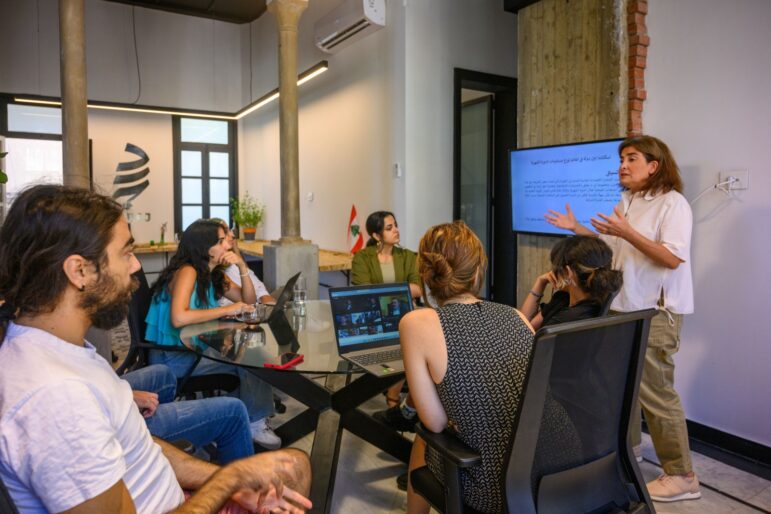
Daraj co-founder Diana Moukalled discusses the outlet’s origins in Lebanon, its impact, its funding, and reporting on women’s rights and corruption across the Middle East.
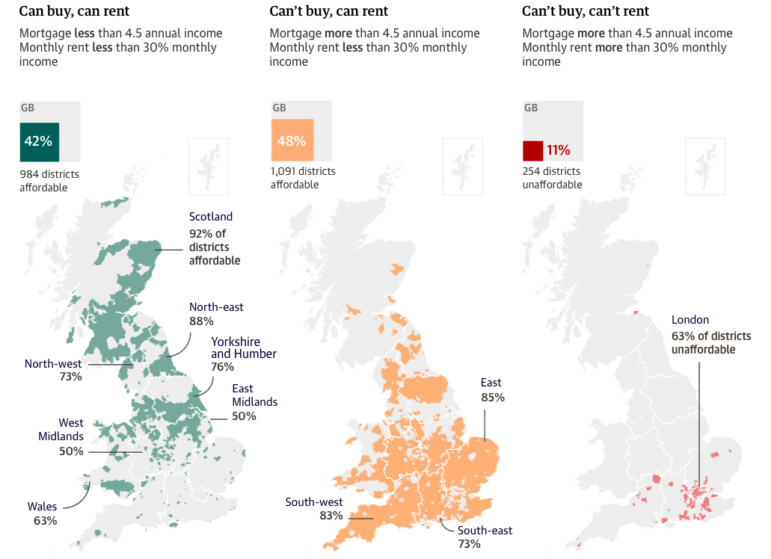
In this week’s Top 10 in Data Journalism, GIJN looks at the perilous state of UK housing affordability, tabulating a true Russia casualty count, and the common traits among US banned books.
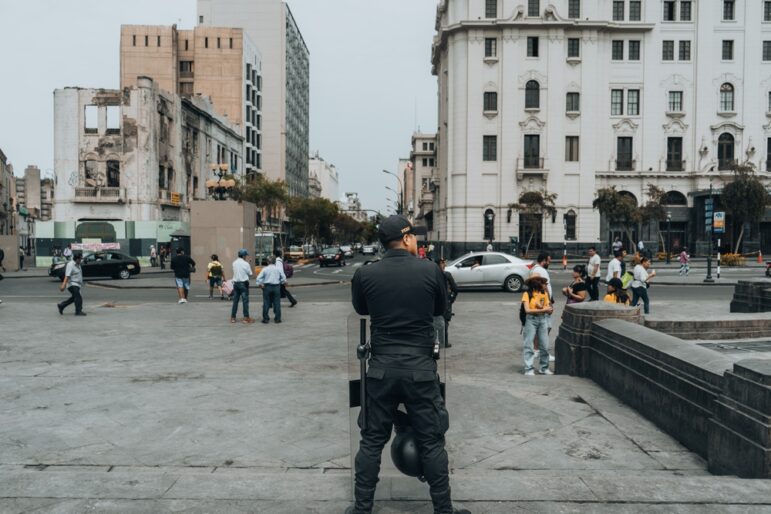
Amidst disinformation and numerous attacks on press freedom, investigative reporting has all but disappeared from Peru’s major news outlets, leaving a handful of small nonprofit digital outlets to carry the mantle of accountability reporting.
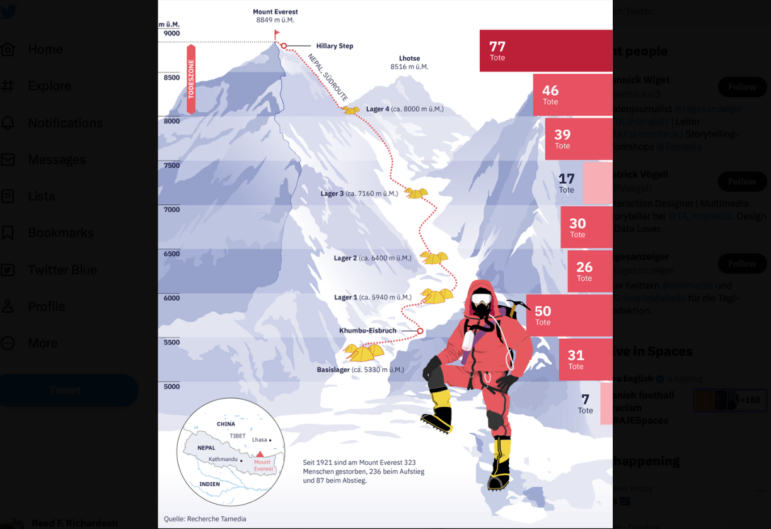
This week, GIJN’s Top 10 in Data Journalism examines why the world’s tallest mountain has become increasingly deadly for those trying to climb it, pollution in Paris metro stations, US laws expanding gun access one year after the Uvalde mass shooting, and migrant worker struggles in Singapore.
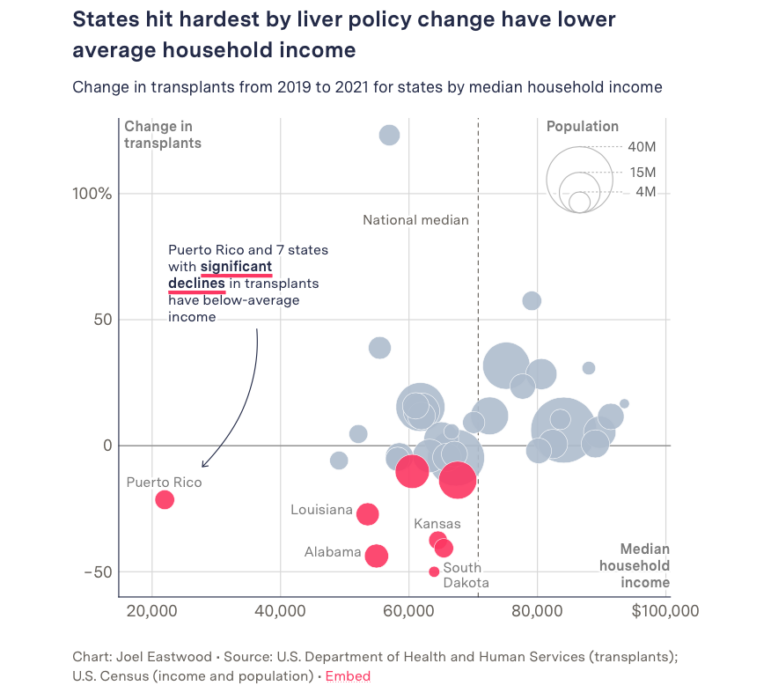
GIJN’s weekly curation of the most popular data journalism stories on Twitter features a look the impact of changes to organ donation rules in the US, drug usage in Europe based on wastewater analysis, a text analysis of layoff memos written by tech industry chief executives, and an examination of protests across Russia in 2022.
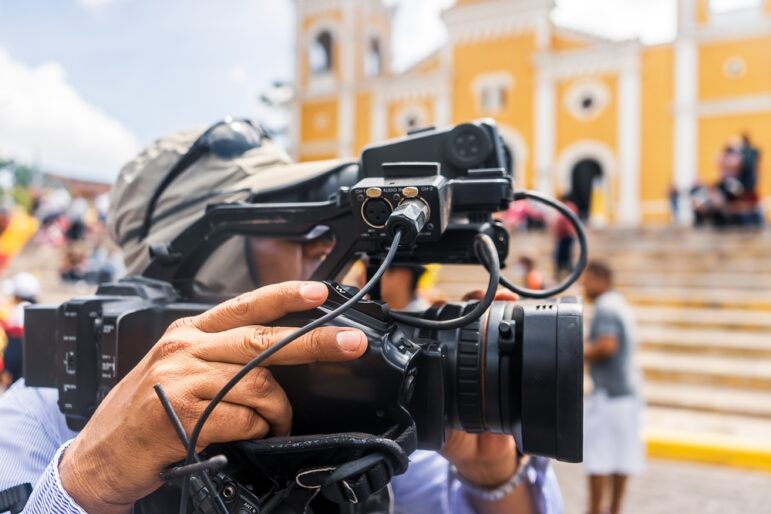
Veteran Nicaraguan journalist and editor Carlos F. Chamorro delivered the memorial lecture at the Reuters Institute for the Study of Journalism. His speech reveals how press freedom has been eroded in Nicaragua, and the challenges of producing journalism under the ‘totalitarian regime’ of President Daniel Ortega.
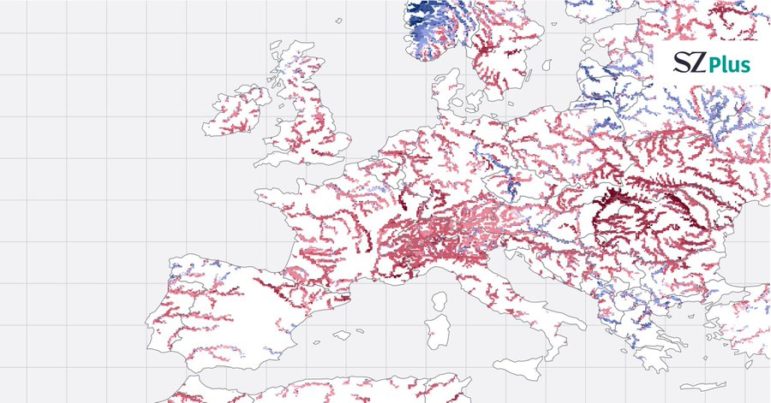
Our weekly analysis of the most popular data journalism stories on Twitter features the mapping of Europe’s drought-stricken rivers, NASA’s plans to return to the moon, how the war in Ukraine compares to other modern conflicts, tracking a stolen truck, and examining Chinese censorship of foreign content with edited episodes of The Big Bang Theory.
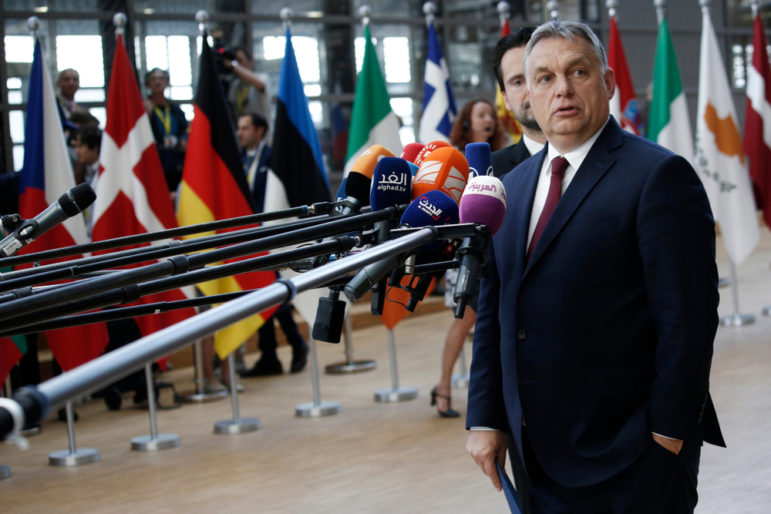
Andras Petho, co-founder of the investigative news outlet Direkt36, offers lessons learned from witnessing first-hand the press crackdown of Hungarian Prime Minister Viktor Orban.
In 2001 GIJN was born, as investigative journalists from around the globe met for the very first time to share ideas, tips, and best practices to strengthen their reporting in a world where journalism was increasingly under threat.
Today the threat has multiplied, and at GIJN we find ourselves under the same pressures as our member organizations. Most urgently: available funding for investigative journalism has been impacted as some longtime funders who supported journalism in the past are no longer doing so or have closed. Yet our work continues, more important than ever before.
GIJN serves as the global hub for the world’s investigative reporters. Our core mission is to support and strengthen investigative journalism—with special attention to those from repressive regimes and marginalized communities.
We are embarking on our first-ever campaign initiative to help us expand our revenue by the end of the year through individual donors. If you have ever joined one of our free webinars, used one of our free resources, learned a new skill thanks to a GIJN training, or simply believe that press freedom is essential to civil society, we ask you to show your support for GIJN’s work with a donation of your choosing. Called “Friends of GIJN,” this campaign includes a more personalized experience, starting in 2027, for individuals who answer the call to join with us during this unprecedented time.
Truth and democracy are under attack around the world. You can fight back by helping GIJN support investigative journalists with free access to the latest tools and techniques — so they can foster justice and hold accountable those who abuse the public trust.
With a staff based in 24 countries, GIJN works in a dozen languages each day, linking together the world’s most enterprising journalists, offering state-of-the-art training, webinars, tip sheets, and a Help Desk that responds to 2,000+ requests for assistance each year. More than 84% of GIJN’s operating budget goes directly to our program work.
Please make a gift today to support journalists on the front lines of the fight for accountability and human rights.