

Fundraising Sustainability
Crowdfunding Investigations: Lessons Learned About Harnessing Audience Buy-In from Ireland, Brazil, and Portugal
GIJN spoke with three newsrooms pioneering models for raising funds directly from their audiences.
GIJN spoke with three newsrooms pioneering models for raising funds directly from their audiences.

Community news co-op advocates see the new model they’re shaping as having a high chance for success in places where existing approaches to digital sites might struggle or fail, including in many news deserts. The Banyan Project’s Tom Stites writes about how news co-ops work, pointing out the pros and cons of the model.

A new report maps ambitious COVID-era efforts around the world to save journalism, including ideas from the United States, South Africa, Denmark, and Singapore.

There is no singular “right” way to set up technology for an audience-centric newsroom. What’s most important is not which tool you choose, or the method by which you implement them, but that your system is well-integrated. Each part must be able to speak to all the others, allowing your data to flow seamlessly, and empowering your team with easy-to-understand workflows that help you better connect with your audience.

It’s still hard to fathom the impact of the COVID-19 crisis on journalism, even two months into most countries’ lockdowns. On the one hand, sustained and unprecedented demand from audiences for trustworthy information presents an incredible opportunity for independent media; a chance to showcase the value of good journalism and hopefully build lasting relationships with millions of new viewers, listeners and readers.
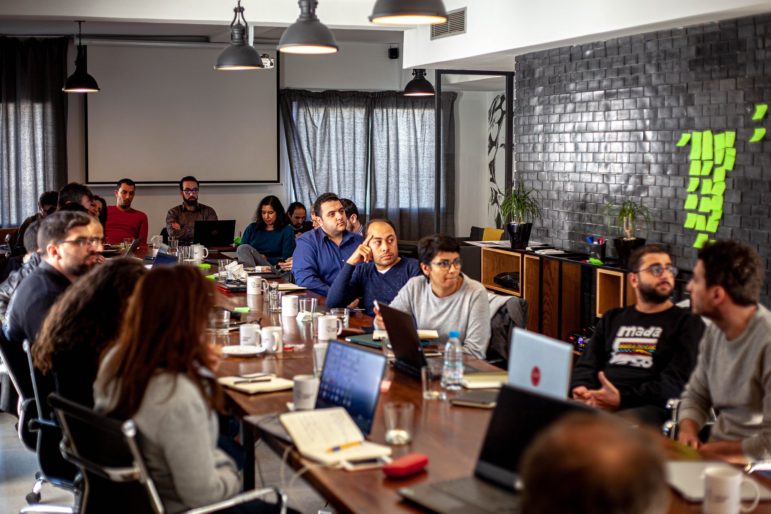
Following the 2011 Tunisian revolution, the loosening of free speech created a vibrant marketplace of ideas but investigative reporting still lagged. A group of Tunisian journalists set out to change this by founding independent media outlet Inkyfada, which has experimented with data and audio storytelling and worked hard to diversify its revenue in order to guard its independence. Layli Foroudi profiled Inkyfada for GIJN.
It’s hard enough to make journalism pay, but hardest of all for investigative journalism. Making Investigative Journalism Sustainable: Best Business Practices, GIJN’s new video series, features 10 leading journalists and experts from around the world who provide key tips how to fund investigative reporting organizations.
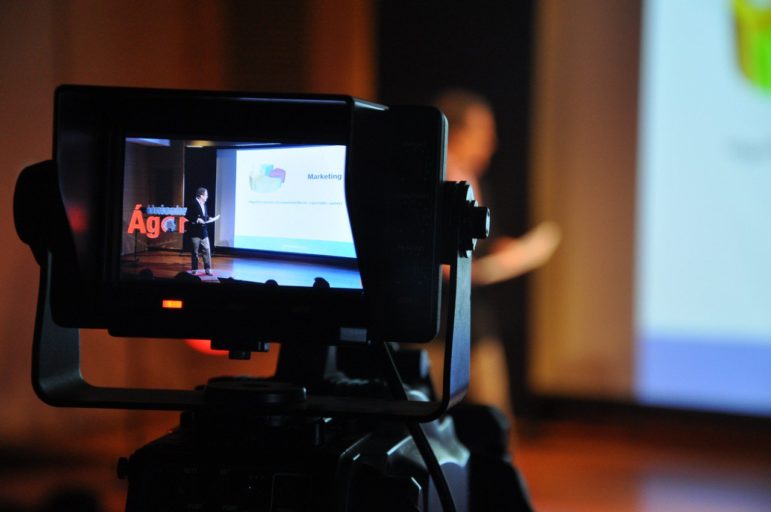
Customer, profits, monetize. These are just some of the words that make journalists cringe because they sound so dirty when associated with our ethically-produced investigative journalism. But university professor James Breiner argues that journalists and the media need to add these words to their vocabulary without feeling squeamish.

After years of predictions that this year would be the year of mobile, finally it has arrived. So here are some numbers that should prompt strategizing and action by digital media publishers. What small and large digital publishers ought to learn from these figures is that the public is moving so quickly to mobile consumption of news and social sharing that they need to take action.
In 2001 GIJN was born, as investigative journalists from around the globe met for the very first time to share ideas, tips, and best practices to strengthen their reporting in a world where journalism was increasingly under threat.
Today the threat has multiplied, and at GIJN we find ourselves under the same pressures as our member organizations. Most urgently: available funding for investigative journalism has been impacted as some longtime funders who supported journalism in the past are no longer doing so or have closed. Yet our work continues, more important than ever before.
GIJN serves as the global hub for the world’s investigative reporters. Our core mission is to support and strengthen investigative journalism—with special attention to those from repressive regimes and marginalized communities.
We are embarking on our first-ever campaign initiative to help us expand our revenue by the end of the year through individual donors. If you have ever joined one of our free webinars, used one of our free resources, learned a new skill thanks to a GIJN training, or simply believe that press freedom is essential to civil society, we ask you to show your support for GIJN’s work with a donation of your choosing. Called “Friends of GIJN,” this campaign includes a more personalized experience, starting in 2027, for individuals who answer the call to join with us during this unprecedented time.
Truth and democracy are under attack around the world. You can fight back by helping GIJN support investigative journalists with free access to the latest tools and techniques — so they can foster justice and hold accountable those who abuse the public trust.
With a staff based in 24 countries, GIJN works in a dozen languages each day, linking together the world’s most enterprising journalists, offering state-of-the-art training, webinars, tip sheets, and a Help Desk that responds to 2,000+ requests for assistance each year. More than 84% of GIJN’s operating budget goes directly to our program work.
Please make a gift today to support journalists on the front lines of the fight for accountability and human rights.