
Case Studies How They Did It
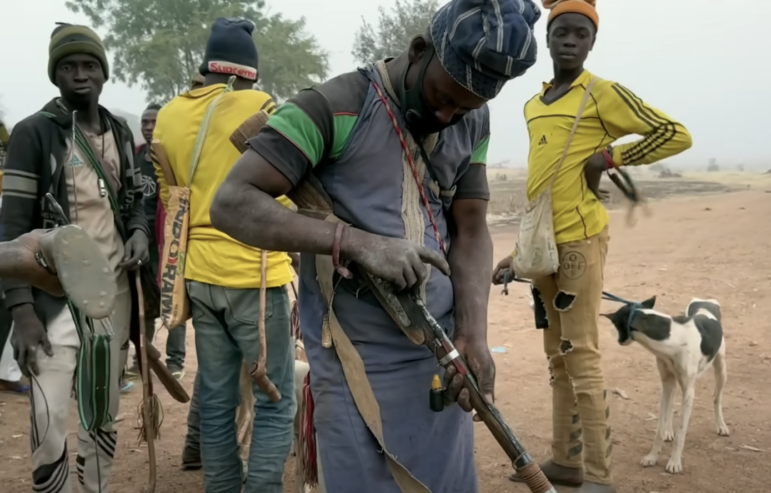
How One Nigerian Journalist on a Motorcycle Exposed Armed Warlords
Yusuf Anka spent three years riding into and out of dangerous territory in northwestern Nigeria, investigating armed gangs plaguing his home region.
Yusuf Anka spent three years riding into and out of dangerous territory in northwestern Nigeria, investigating armed gangs plaguing his home region.
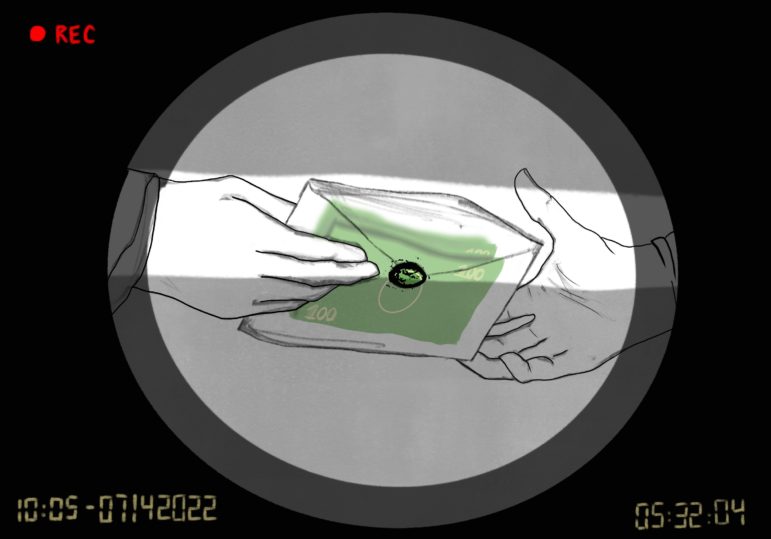
In countries without public record transparency rules or strong source protection laws, going undercover can be one of the few tools reporters have to reveal public interest stories.
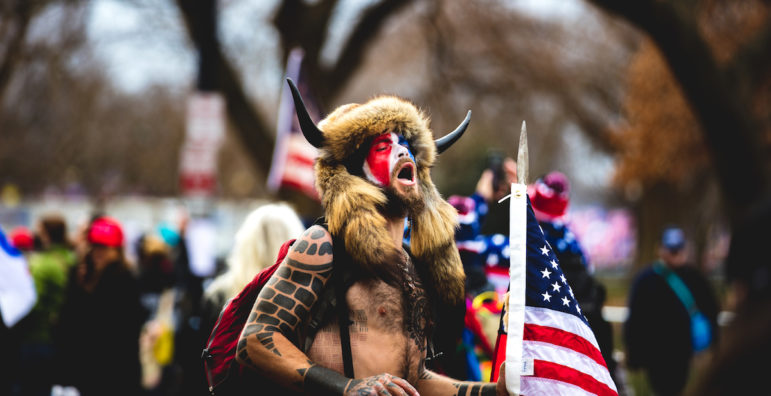
Open source investigation teams around the world sprang into action as they watched a pro-Trump mob violently storm the US Capitol on January 6. A senior investigator with Bellingcat told GIJN how his team was able to scrape and preserve hundreds of social media videos from the attack, and shared ten tips on how any reporter can grab visual evidence during breaking news events.

In this year’s GIJN’s Editor’s Pick series, Africa editor Benon Herbert Oluka compiled a list of some of the top investigative stories produced and published or broadcast by media organizations based in sub-Saharan Africa in 2020.
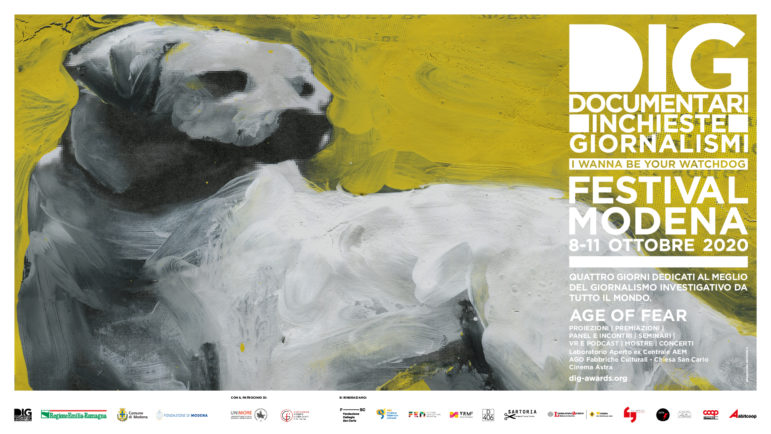
The jury for the DIG Awards – an annual celebration of the best investigative documentaries made around the world – has revealed the films and programs that have made it onto the annual shortlist. The final awards will be given as part of DIG’s festival, which is taking place in the historic city of Modena in northern Italy this week.
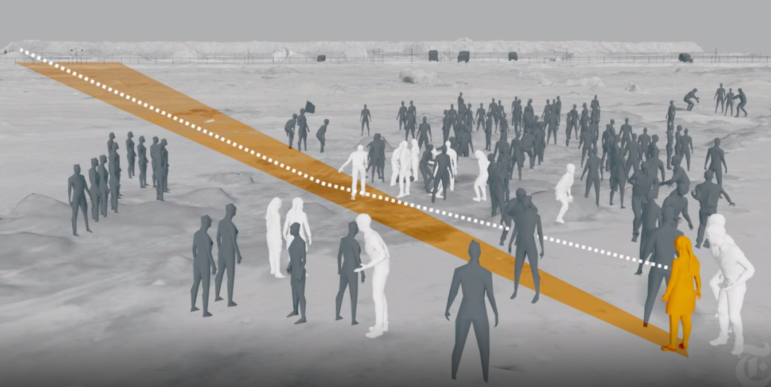
The excessive force used against anti-racism protesters around the world, in the wake of the killing of George Floyd in the US, reveals the need for more visual forensic skills in newsrooms to hold police to account. GIJN identified 12 tools and 12 methods that proved effective in several recent investigations that exposed harm done by security forces.
In 2001 GIJN was born, as investigative journalists from around the globe met for the very first time to share ideas, tips, and best practices to strengthen their reporting in a world where journalism was increasingly under threat.
Today the threat has multiplied, and at GIJN we find ourselves under the same pressures as our member organizations. Most urgently: available funding for investigative journalism has been impacted as some longtime funders who supported journalism in the past are no longer doing so or have closed. Yet our work continues, more important than ever before.
GIJN serves as the global hub for the world’s investigative reporters. Our core mission is to support and strengthen investigative journalism—with special attention to those from repressive regimes and marginalized communities.
We are embarking on our first-ever campaign initiative to help us expand our revenue by the end of the year through individual donors. If you have ever joined one of our free webinars, used one of our free resources, learned a new skill thanks to a GIJN training, or simply believe that press freedom is essential to civil society, we ask you to show your support for GIJN’s work with a donation of your choosing. Called “Friends of GIJN,” this campaign includes a more personalized experience, starting in 2027, for individuals who answer the call to join with us during this unprecedented time.
Truth and democracy are under attack around the world. You can fight back by helping GIJN support investigative journalists with free access to the latest tools and techniques — so they can foster justice and hold accountable those who abuse the public trust.
With a staff based in 24 countries, GIJN works in a dozen languages each day, linking together the world’s most enterprising journalists, offering state-of-the-art training, webinars, tip sheets, and a Help Desk that responds to 2,000+ requests for assistance each year. More than 84% of GIJN’s operating budget goes directly to our program work.
Please make a gift today to support journalists on the front lines of the fight for accountability and human rights.