
News & Analysis Press Freedom
‘Foreign Agent’ Law in Bosnia Threatens Independent Media
Journalists and editors from this Balkan nation warn that if the recently passed law survives a legal challenge, it would stifle independent reporting.
Journalists and editors from this Balkan nation warn that if the recently passed law survives a legal challenge, it would stifle independent reporting.
Luis Assardo, a digital security trainer and investigative data journalist, gives tips on how journalists can keep their information and devices secure.
At an IRE conference panel, experts discussed several powerful tools and innovative techniques for uncovering harmful practices by the global alternative energy industry.
With hundreds of the country’s reporters in exile, the press is under pressure like never before. But this outlet is continuing to report despite all its staff now being based overseas.
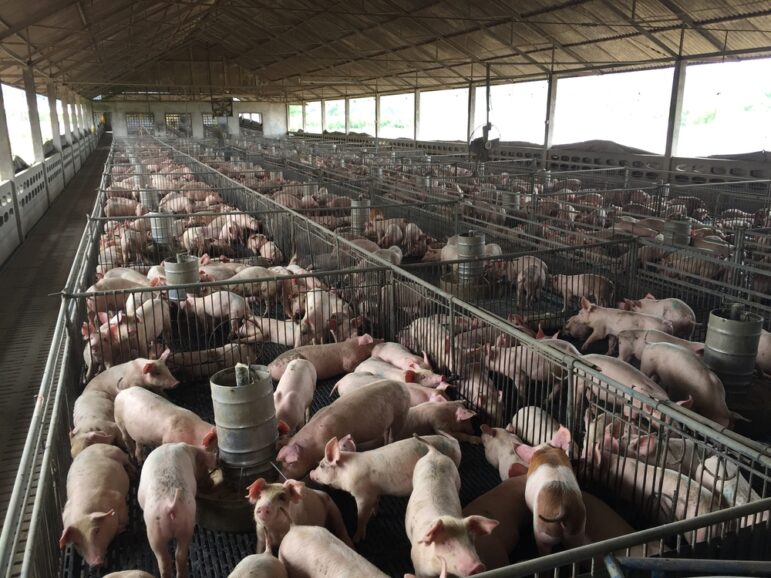
An award-winning project exposed how a US-governor’s pig farming company polluted groundwater, revealing issues of political influence and regulatory neglect.
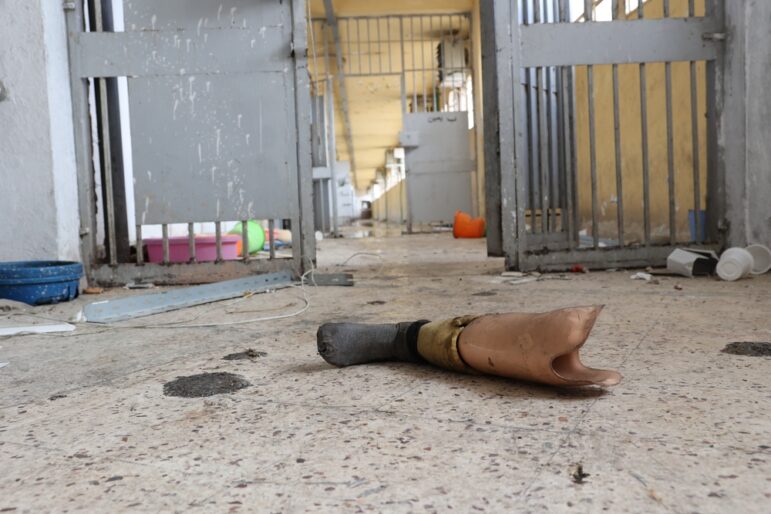
A panel of experts investigating and documenting crimes committed by the old regime share their experiences of working in the “new Syria.”
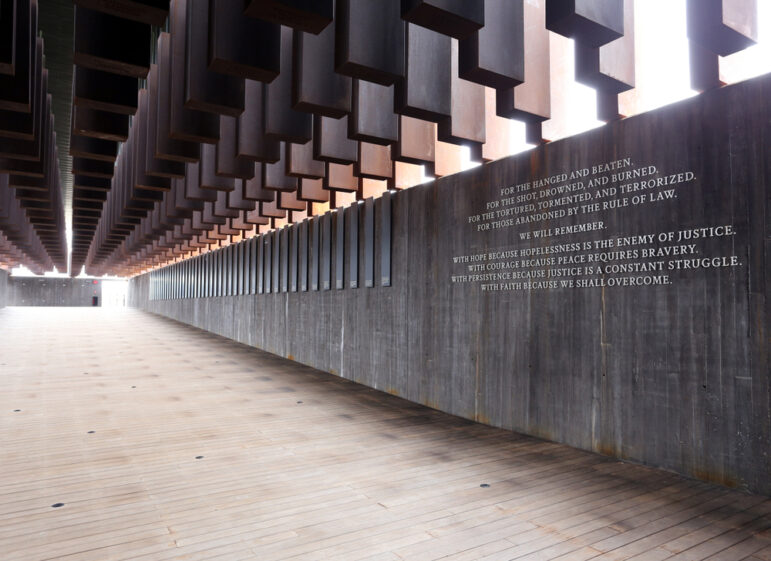
To resurrect civil rights era cold cases, two reporters uncovered new sources and accessed forgotten government documents to reconsider the historical record.

Also featuring the data behind Russia’s efforts in Ukraine, why it’s so hard to ditch coal as an energy source, and a literary map of Rio de Janeiro.

The Director General of Norway’s public broadcaster shares valuable lessons learnt from what she called “the most harrowing experience of my professional life.”

New members include organizations probing cross-border abuses or promoting civic engagement, as well as digging into environmental and human rights violations.

Tips on persistence from a permanently exiled reporter whose multi-year investigation was turned into an Emmy-nominated documentary.
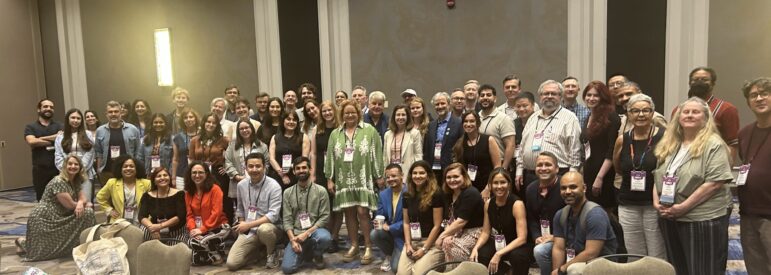
Sixty journalists from more than two-dozen countries and territories attended the International Luncheon at the 2025 Investigative Reporters and Editors Conference.

The chief data reporter for the Financial Times discusses how he considers the use of text, color, and annotation to aid visual storytelling through charts and graphics.
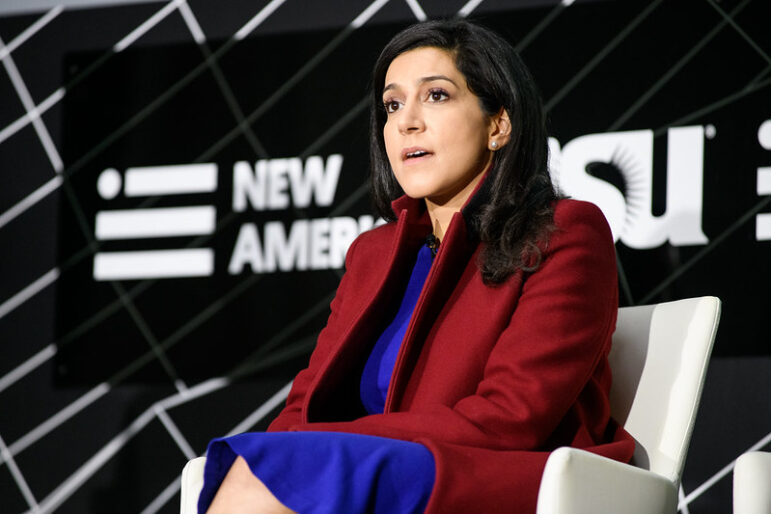
Azmat Khan is known for her rigorous reporting on civilian casualties from US airstrikes, and for exposing systemic failures in military and government accountability.

A Dataharvest session with podcast veterans from Poland and Portugal offered advice for journalists considering audio storytelling — from narrative tricks to business models.
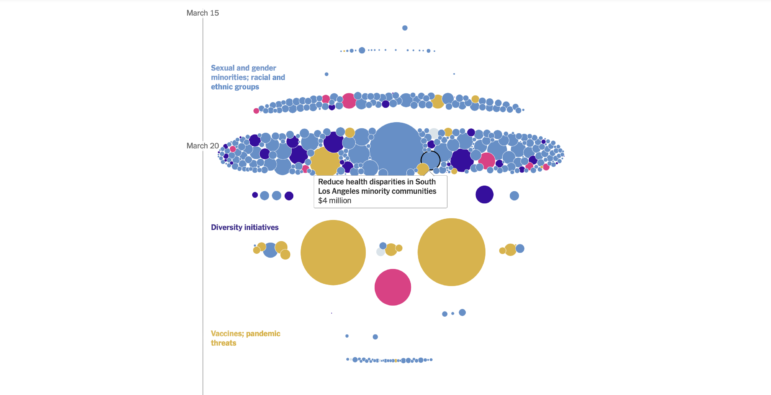
Our data journalism column also features medical research funding at risk in the US, a report on Antarctica, and an interactive that lets you ‘drive’ the Monaco Grand Prix circuit.

From covering drug cartels to investigating how corruption links to tragedy, the award-winning reporter has made chronicling modern day Mexico his beat.
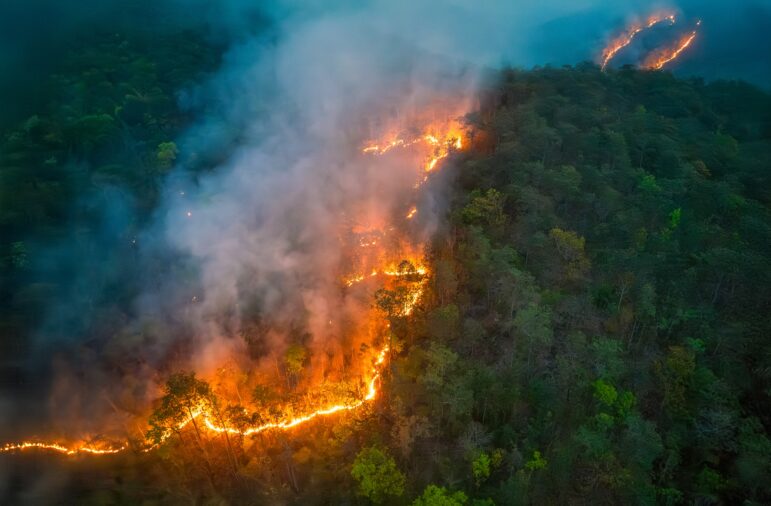
In a recent Reuters Institute webinar, experts discussed the latest research into the impact of climate reporting on journalists’ mental health.

A new book by Ron Deibert, Citizen Lab’s founder and director, details how his small investigative team is fighting back against a rapidly growing commercial espionage industry.

An exposé supported by the Pulitzer Center’s Rainforest Investigations Network found loans earmarked for green projects were routinely used by fossil fuel and mining companies.
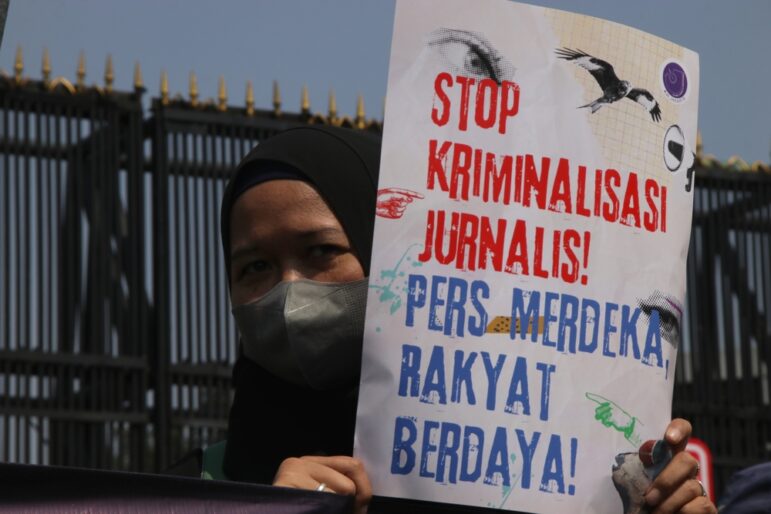
For veteran journalist Wahyu Dhyatmika, Indonesia’s intensely challenging press climate is a wake-up call for the media to retool its business model and refocus on serving the public.

The Philippine Center for Investigative Journalism, a GIJN founding member, has grown from a one-room news startup 36 years ago to a seminal force for watchdog reporting.
After five years and 2,875 project entries from more than 100 countries, the Sigma Awards have become a catalyst for innovation and forever changed the face of data journalism.
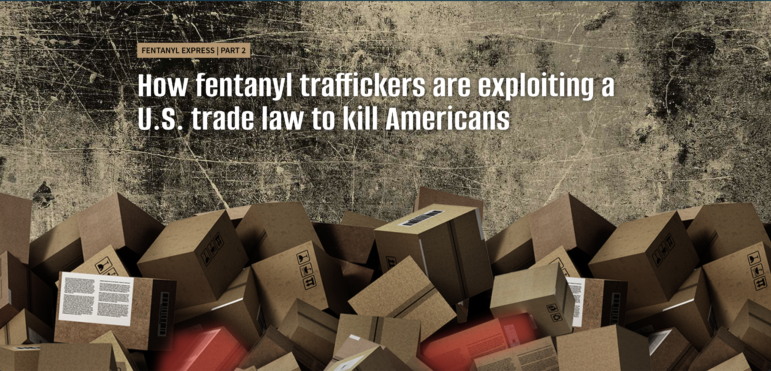
This seven-part Reuters series revealed how easily chemicals used to create fentanyl can be acquired — and the network of suppliers that make the illicit drug trade possible.
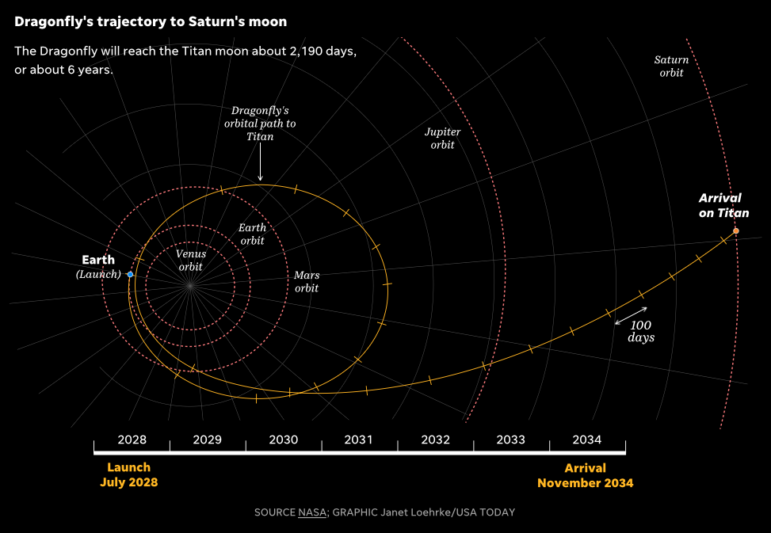
We also highlight an analysis of whether flying has become less safe, an investigation into a Philippine reforestation program, and the numbers behind the Eurovision song contest.

Whether it’s extracting names from footage, decoding social media posts, or reading distorted text in documents, Henk van Ess explains how free digital tools can take on these investigative tasks.
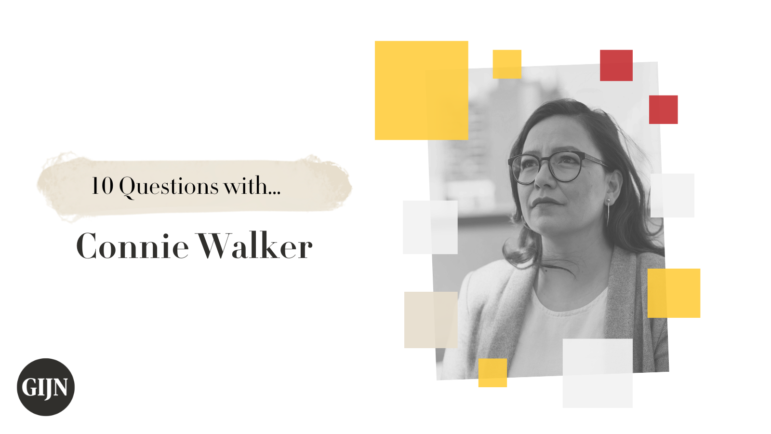
Pulitzer Prize-winning reporter Connie Walker discusses her favorite podcast tools, the ‘radical transformation’ of how Indigenous issues are covered, and building trust with sources.
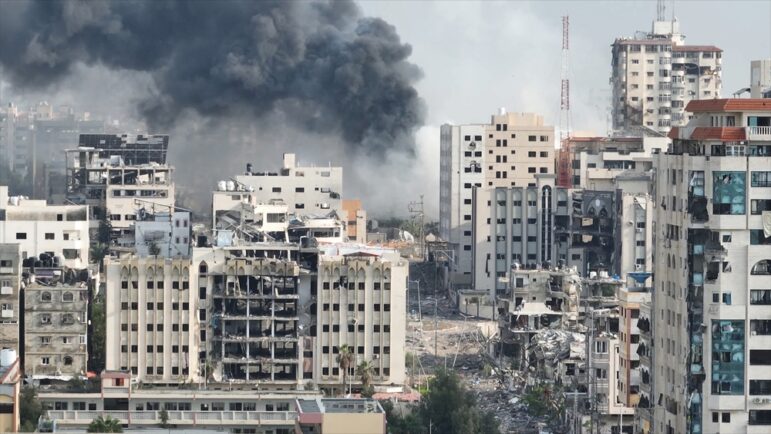
Reporters and editors for two small Israeli outlets committed to investigative reporting detail how they report amid the heightened tensions related to the conflict.
In 2001 GIJN was born, as investigative journalists from around the globe met for the very first time to share ideas, tips, and best practices to strengthen their reporting in a world where journalism was increasingly under threat.
Today the threat has multiplied, and at GIJN we find ourselves under the same pressures as our member organizations. Most urgently: available funding for investigative journalism has been impacted as some longtime funders who supported journalism in the past are no longer doing so or have closed. Yet our work continues, more important than ever before.
GIJN serves as the global hub for the world’s investigative reporters. Our core mission is to support and strengthen investigative journalism—with special attention to those from repressive regimes and marginalized communities.
We are embarking on our first-ever campaign initiative to help us expand our revenue by the end of the year through individual donors. If you have ever joined one of our free webinars, used one of our free resources, learned a new skill thanks to a GIJN training, or simply believe that press freedom is essential to civil society, we ask you to show your support for GIJN’s work with a donation of your choosing. Called “Friends of GIJN,” this campaign includes a more personalized experience, starting in 2027, for individuals who answer the call to join with us during this unprecedented time.
Truth and democracy are under attack around the world. You can fight back by helping GIJN support investigative journalists with free access to the latest tools and techniques — so they can foster justice and hold accountable those who abuse the public trust.
With a staff based in 24 countries, GIJN works in a dozen languages each day, linking together the world’s most enterprising journalists, offering state-of-the-art training, webinars, tip sheets, and a Help Desk that responds to 2,000+ requests for assistance each year. More than 84% of GIJN’s operating budget goes directly to our program work.
Please make a gift today to support journalists on the front lines of the fight for accountability and human rights.