

Reporting Tools & Tips
MoJo Workin’: Developing and Producing on a Smart Phone (Part 2)
In part two of this Mojo Workin’ column on developing and producing the story, Ivo Burum focuses on equipment, coverage and audio perspective.
In part two of this Mojo Workin’ column on developing and producing the story, Ivo Burum focuses on equipment, coverage and audio perspective.
We’re delighted to announce that GIJN has launched a new initiative: GIJN en français. We’ll be sharing the best investigative tips and tools, groundbreaking stories, grants and fellowships, data sets and more.

Mobile journalism expert Ivo Burum is back with a column on the most frustrating part of mojo — developing and producing a story. He offers tips on developing your story idea and sharpening your focus on story structure, character and shots coverage.
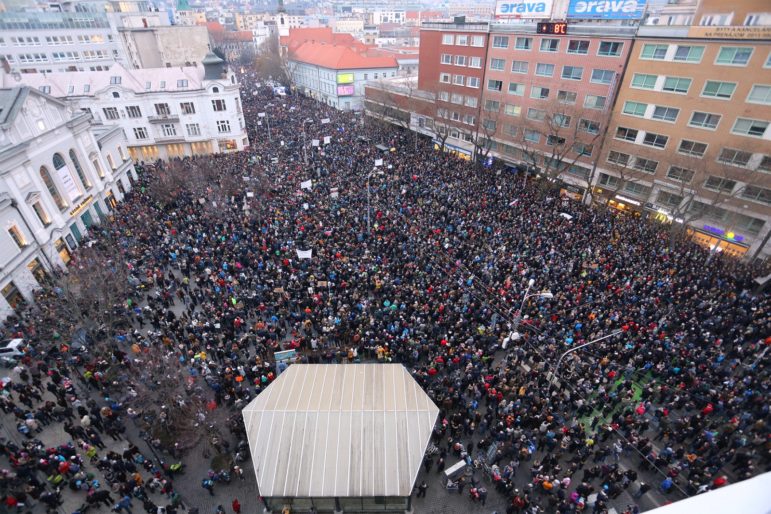
As protests grip Slovakia in the wake of the murder of investigative journalist Ján Kuciak and harassment of his colleague Pavla Holcova, the Global Reporting Centre’s Peter W. Klein writes this open letter to the Prime Minister of Slovakia urging him to respect press freedom and the rights of Holcova and all the journalists who are doing their jobs.
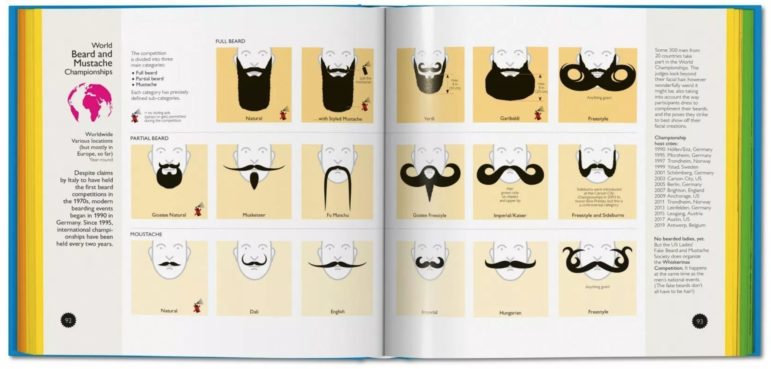
What’s the global data journalism community tweeting about this week? Our NodeXL #ddj mapping from May 21 to 27 finds @nigelblue’s wildly humorous infographic book about crazy competitions across the globe, @Data_Match breaks down the list of gifts given to the president of the United States by foreign leaders and @FinancialTimes looks into the pressures Antarctica faces.

De Correspondent has been tapping into the experience and expertise of its readers to build and research their stories. But instead of one-off engagements with their audience, they are reinventing their approach to the conventional rolodex: verifying their readers expertise and inviting them into conversations surrounding their stories.

There are hundreds of stories in business registries and court documents around the world just waiting for a journalist to uncover them. Emmanuel Freudenthal shares his five tips on finding open-source secrets in Africa with GIJN — helpful guidelines which can be used around the world.

Deep fakes — videos which feature one person’s face on another’s body — are rapidly becoming more sophisticated. Samantha Sunne talked to some of the world’s experts on the techniques which can help you learn the weaknesses of this new phenomenon that’s got everyone talking.

Journalists can increase people’s trust and create a loyal audience by engaging with their readers in the comments section. This guide by The Coral Project has tips on how journalists can best interact with their audience, deal with potential abuse and find real value in the comments.
In 2001 GIJN was born, as investigative journalists from around the globe met for the very first time to share ideas, tips, and best practices to strengthen their reporting in a world where journalism was increasingly under threat.
Today the threat has multiplied, and at GIJN we find ourselves under the same pressures as our member organizations. Most urgently: available funding for investigative journalism has been impacted as some longtime funders who supported journalism in the past are no longer doing so or have closed. Yet our work continues, more important than ever before.
GIJN serves as the global hub for the world’s investigative reporters. Our core mission is to support and strengthen investigative journalism—with special attention to those from repressive regimes and marginalized communities.
We are embarking on our first-ever campaign initiative to help us expand our revenue by the end of the year through individual donors. If you have ever joined one of our free webinars, used one of our free resources, learned a new skill thanks to a GIJN training, or simply believe that press freedom is essential to civil society, we ask you to show your support for GIJN’s work with a donation of your choosing. Called “Friends of GIJN,” this campaign includes a more personalized experience, starting in 2027, for individuals who answer the call to join with us during this unprecedented time.
Truth and democracy are under attack around the world. You can fight back by helping GIJN support investigative journalists with free access to the latest tools and techniques — so they can foster justice and hold accountable those who abuse the public trust.
With a staff based in 24 countries, GIJN works in a dozen languages each day, linking together the world’s most enterprising journalists, offering state-of-the-art training, webinars, tip sheets, and a Help Desk that responds to 2,000+ requests for assistance each year. More than 84% of GIJN’s operating budget goes directly to our program work.
Please make a gift today to support journalists on the front lines of the fight for accountability and human rights.