
GIJN Africa: Newsletters
The GIJN Africa Bulletin is free and distributed to journalists in more than 100 countries
The GIJN Africa Bulletin is free and distributed to journalists in more than 100 countries
To protect journalists from safety and security risks, some African and global organizations have set up programs that offer support to muckrakers who are in trouble, either in selected African countries or across the continent.
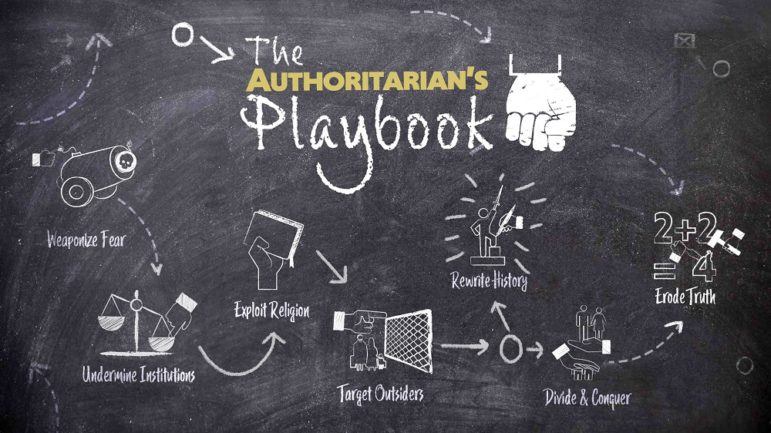
In “Democracy Undone: The Authoritarian’s Playbook,” The GroundTruth Project chronicles seven leaders whose instincts and inclinations herald a brand of populist nationalism that, if history is a guide, can lead to authoritarian government. From Brazil to Italy and the US, these global leaders seem to share common “plays,” including weaponizing fear, undermining institutions and targeting outsiders. GroundTruth fellows offer tips for journalists covering this rising authoritarianism.

This week’s Friday 5, where we round up our favorite reads from around the online world in English, includes a report from The Intercept about how a US Department of Homeland Security algorithm revoked the visa of Forensic Architecture’s Eyal Weizman, an interview with Paul Caruana Galizia about his podcast My Mother’s Murder, and why almost half of the tech experts surveyed by the Pew Research Center are saying technology will weaken democracy.
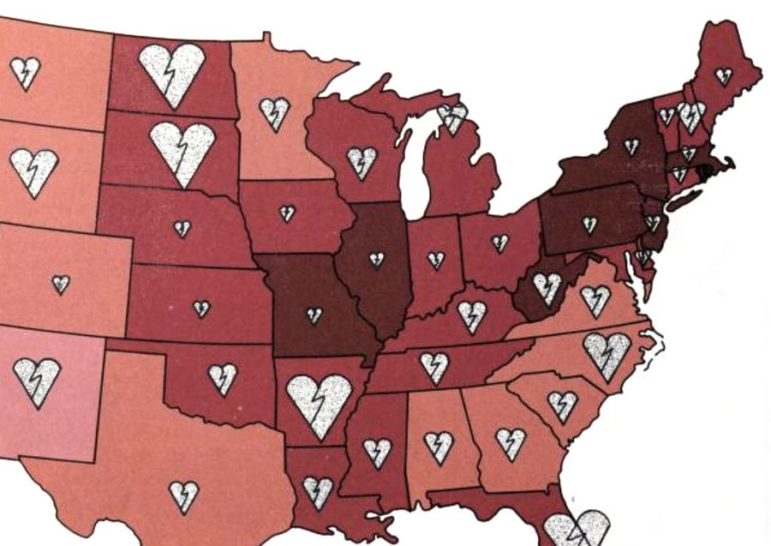
What’s the global data journalism community tweeting about this week? Our NodeXL #ddj mapping from February 17 to 23 finds geographer Tim Wallace collecting some amusingly unusual maps, The Guardian analyzing the effect of Airbnb’s prevalence on home ownership in Great Britain, the Data Visualization Society evaluating the successes and shortcomings of its first year, and former Ogilvy & Mather chief creative officer Tham Khai Meng sharing how a Japanese newspaper utilized augmented reality to animate graphics.
Following the major corruption investigation “Azerbaijani Laundromat,” Paul Radu, co-founder of the Organized Crime and Corruption Reporting Project, was sued for libel in the United Kingdom by an Azerbaijani politician. Radu explains what he learned while fighting the case, which ended in a favorable settlement.
What reporting and storytelling techniques do you need to master as you head into your next investigation? We’ve rounded up some of GIJN’s most popular how tos from our story archives, as well as select items from our growing Resource Center.
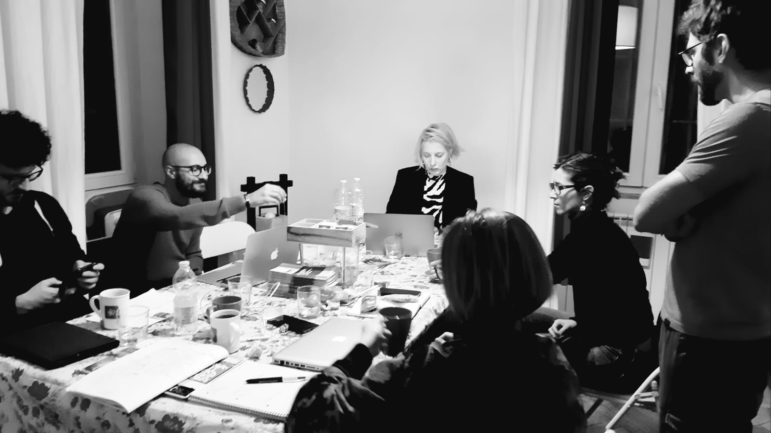
Italy’s first center for investigative reporting was created in 2012 with very little resources. Since then it has become a well-established player in the Italian media landscape. The group has grappled with financial challenges, threats, and intimidation, but have big plans for the future. Michele Barbero profiled Investigative Reporting Project Italy for GIJN.

The Friday 5, where we round up our favorite reads from around the online world in English each week, includes the Sigma Award winners for data journalism, two stories about increased surveillance on journalists, and an interview with BuzzFeed’s Craig Silverman.
In 2001 GIJN was born, as investigative journalists from around the globe met for the very first time to share ideas, tips, and best practices to strengthen their reporting in a world where journalism was increasingly under threat.
Today the threat has multiplied, and at GIJN we find ourselves under the same pressures as our member organizations. Most urgently: available funding for investigative journalism has been impacted as some longtime funders who supported journalism in the past are no longer doing so or have closed. Yet our work continues, more important than ever before.
GIJN serves as the global hub for the world’s investigative reporters. Our core mission is to support and strengthen investigative journalism—with special attention to those from repressive regimes and marginalized communities.
We are embarking on our first-ever campaign initiative to help us expand our revenue by the end of the year through individual donors. If you have ever joined one of our free webinars, used one of our free resources, learned a new skill thanks to a GIJN training, or simply believe that press freedom is essential to civil society, we ask you to show your support for GIJN’s work with a donation of your choosing. Called “Friends of GIJN,” this campaign includes a more personalized experience, starting in 2027, for individuals who answer the call to join with us during this unprecedented time.
Truth and democracy are under attack around the world. You can fight back by helping GIJN support investigative journalists with free access to the latest tools and techniques — so they can foster justice and hold accountable those who abuse the public trust.
With a staff based in 24 countries, GIJN works in a dozen languages each day, linking together the world’s most enterprising journalists, offering state-of-the-art training, webinars, tip sheets, and a Help Desk that responds to 2,000+ requests for assistance each year. More than 84% of GIJN’s operating budget goes directly to our program work.
Please make a gift today to support journalists on the front lines of the fight for accountability and human rights.