Accessibility Settings

color options

monochrome muted color dark

reading tools

isolation ruler

Posts

300 posts

News & Analysis

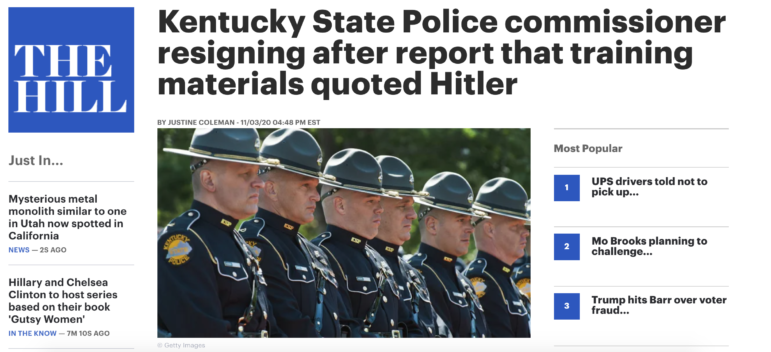
The Teen Muckraker Who Exposed Police Training Materials Quoting Hitler

On October 30, the student news site of duPont Manual High School in Louisville, Kentucky, in the United States, published a bombshell of an investigation: While training officers, the Kentucky State Police had used a slideshow that quoted Adolf Hitler. The reporters behind the story were a 16-year-old and his younger brother.

News & Analysis

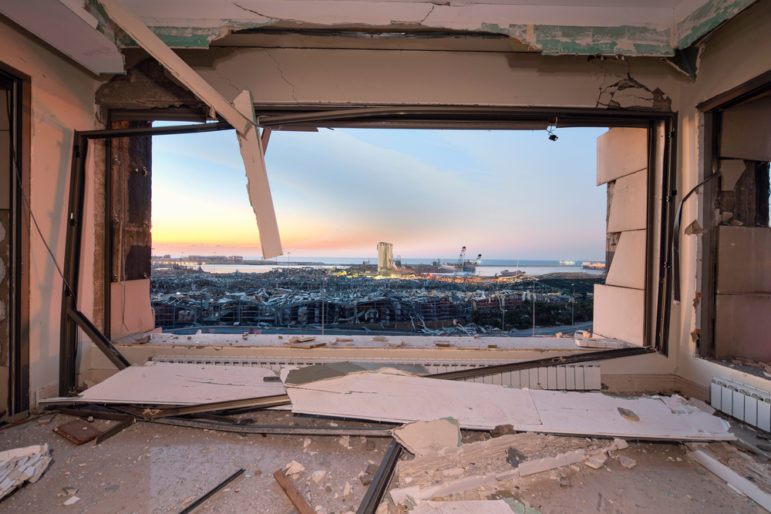
Three Investigations that Explored the Devastating Blast that Rocked Beirut

On the evening of August 4, 2020, a devastating blast at the port in Beirut shook the Lebanese capital. It was one of the largest non-nuclear explosions in history. GIJN spoke to three outlets whose investigations all played a pivotal role in understanding what led to the explosion and why a ship and its deadly cargo were stuck at the port for so long.

Investigative Techniques Methodology News & Analysis Reporting Tools & Tips

Investigating Sexual Assault and Abuse

In a GIJN webinar three journalists who have experience reporting on the #MeToo movement and sexual abuse told reporters how to investigate an often-hidden crime. Among their tips are preparing interviewees for the process, investigating the story doggedly, and using alternative forms of evidence to verify your story. Read these and other tips for investigating sexual abuse allegations in GIJN’s latest tipsheet.

News & Analysis Reporting Tools & Tips

Top 10 Tips for Investigating Health Care, from the Experts

The COVID-19 pandemic has created a public health crisis without precedent in living memory, and journalists have been racing to keep audiences informed. For those new to the health beat, GIJN is here to help with a comprehensive new guide into investigating health care and top tips from experts on what to watch out for, how to check results, and who to talk to about medical innovations.

News & Analysis

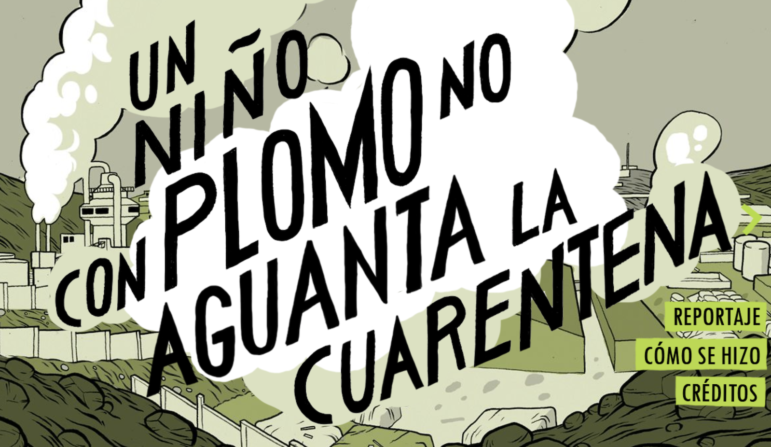
How a Comic Series Reveals Heavy Metal Poisoning in Peru

The Peruvian investigative journalism outlet Convoca has been exploring what happens to people exposed to lead and other heavy metals. In its latest installment in the series — which is told in comics — the team used interactive images to tell the stories of some of the children and adults affected by high levels of lead in their blood and what has been happening to them during the COVID-19 pandemic. 

Resource

Reporting on Oil, Gas, and Murky Deals? There’s a Guide to Help with That

From investigating corruption in state oil contracts to exploring pollution caused by mining, the extraction of oil and other natural resources is a field ripe for investigation by journalists. The Natural Resource Governance Institute, a US-based nonprofit, has a new guide to help journalists explore the industry.

Data Journalism

How Data Journalists Can Use Anonymization to Protect Privacy

For data journalists there is a balancing act between publishing information vital to a story and protecting the person behind that information. Vojtech Sedlak explains the pitfalls and offers tips on how journalists can protect the people that feature in the data without compromising the story.

How They Did It News & Analysis

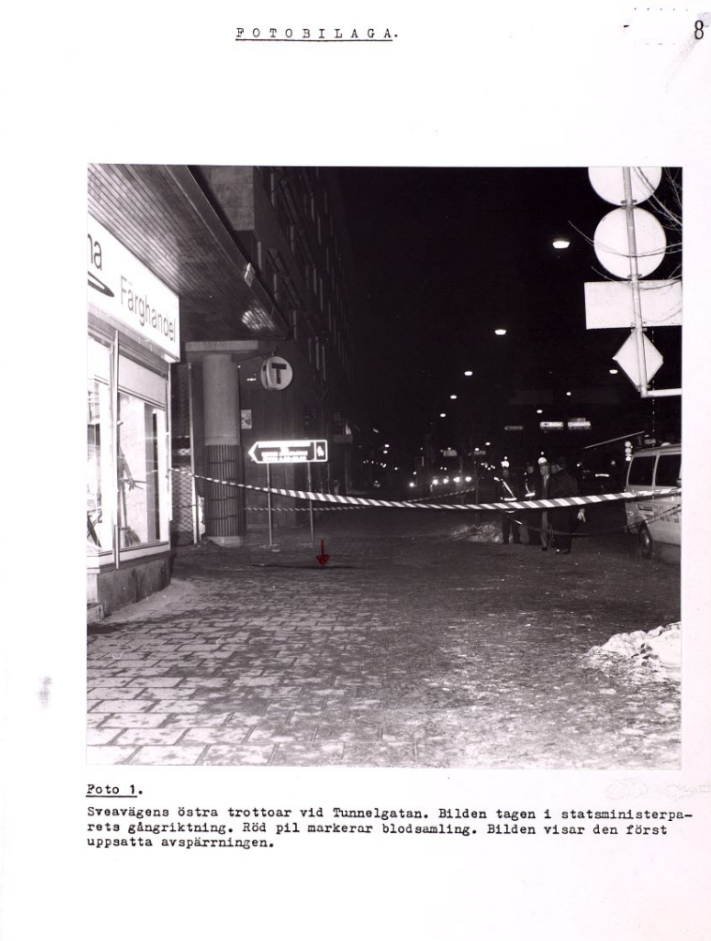
How They Did It: Solving the Mystery of Who Killed Sweden’s Prime Minister

This summer a Swedish prosecutor announced that a 30-year probe into the killing of a Swedish prime minister would be closed since there was “reasonable evidence” that the assailant had been identified. The man now believed to have carried out the crime was identified two years ago by investigative journalist Thomas Pettersson, who spent 12 years investigating who killed Olof Palme.

News & Analysis

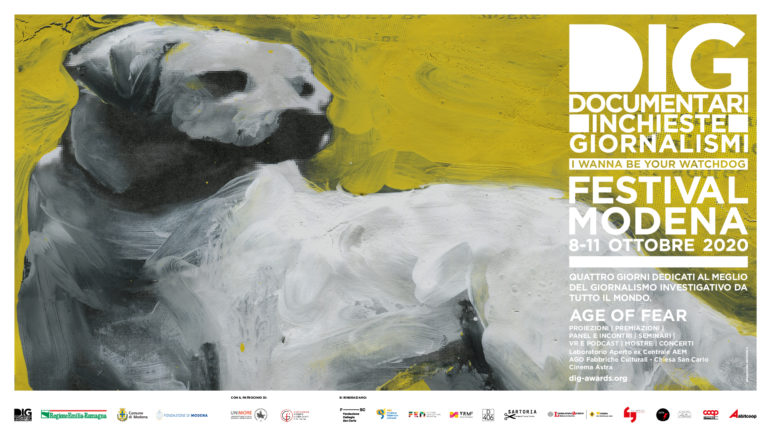
What to Watch: DIG’s Investigative Documentary Shortlist

The jury for the DIG Awards – an annual celebration of the best investigative documentaries made around the world – has revealed the films and programs that have made it onto the annual shortlist. The final awards will be given as part of DIG’s festival, which is taking place in the historic city of Modena in northern Italy this week.

How to Investigate Forced Disappearances in Latin America

How should journalists investigate what has happened to people who have disappeared? What is the best way of dealing with their families, the organized crime groups often involved in the cases, and corrupt officials? Mexican investigative journalist Marcela Turati and Óscar Martínez from El Salvador, both specialists on reporting on transnational organized crime, shared their tips during GIJN’s Spanish language webinar.