Editor's Picks News & Analysis Reporting Tools & Tips
GIJN’s Top Investigative Tools of 2024
In 2024, new and innovative digital tools provided leads and evidence for accountability stories on every continent.
The Information Laundromat is one of the newest open source website analysis tools, developed by the Alliance For Securing Democracy.
A collection of the tipsheets, research roundups, and explainers published this past year to help reporters cover the 2024 US election.
Collaborative journalism, feminist perspectives, diverse newsrooms, and support from local journalists can lead to better coverage of migration.
NASA’s Worldview database is a valuable tool that journalists can use to find data and free graphics on a range of topics, like wildfires, floods, deforestation, and many more.
The oil and gas industry is complex and notoriously opaque. But with new tools, it’s become easier for investigators to dig into this field.
An innovative new database, the Open Source Munitions Portal (OSMP), identifies and shows remnants of explosive devices in conflict zones.
The toolkit helps reporters discover tools in categories like satellite imagery, maps, and social media, and is designed to help researchers learn how to use each tool with in-depth descriptions.
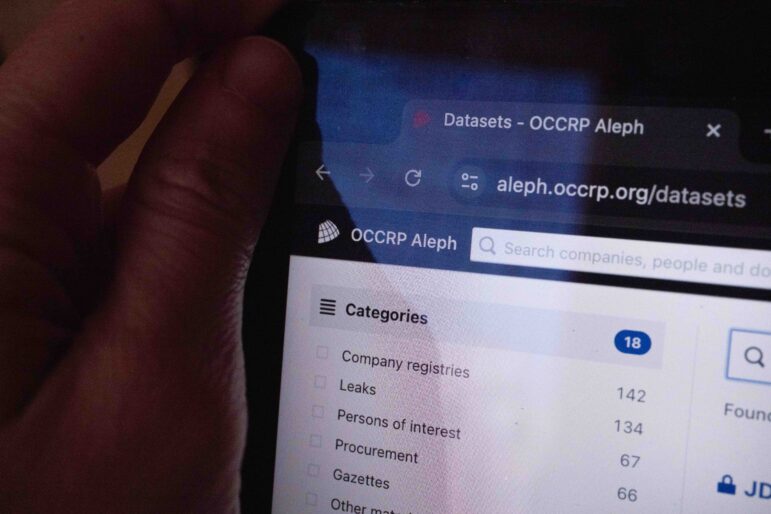
In investigative journalism, connecting data points is often key to uncovering the truth. Aleph helps reporters search, organize, and analyze data, to better trace hidden connections.
These organizations are developing AI tools and resources that can be used to tackle misinformation, improve data reporting, and help with the storytelling process.
The international investigations team at The Washington Post is tackling the issue of transnational repression in an ongoing series called Repression’s Long Arm.
Three experts dig into common open source errors that they’ve encountered to help other online investigators improve the quality of their work.
Nigerian investigative journalist Philip Obaji Jr. discusses the threats and challenges he has faced covering the Russian mercenary outfit, the Wagner Group.
In this installment of a Pulitzer Center series, reporters Jelter Meers and Madeleine Ngeunga reveal tactics in investigating the financial incentives fueling environmental damage.
Reporters debate the legal risks of investigative reporting, covering the conflict in Gaza, open source verification techniques, and investigating global warming.
The rise of conflict imagery on social media has provided open source researchers valuable material to identify explosive ordnance.
For the SEJ’s Reporter’s Toolbox: datasets and sources useful for tracking the harmful impact of climate change-fueled algal blooms.
Veteran journalists share tips on how to monitor online chatter among white supremacists and other far right extremists — and how to stay safe while doing so.
UK veteran investigative journalist Martin Tomkinson shared stories from London’s Fleet Street newspaper heyday and tips for up-and-coming investigative reporters.
At IRE24, investigative reporter Jeremy Jojola shared his practical advice on how to use ChatGPT for contact searches and quick document analysis.
A recent IRE conference panel focused on new money laundering strategies that make hiding illicit assets increasingly difficult to track.
The longtime host of the BBC’s beloved interview show, Desert Island Discs, reveals how she disarms poets and politicians alike.
At a Dataharvest 2024 panel, three well-established investigative reporters spoke about their past mistakes, failures, and other errors that almost cost them a story.
There is a treasure trove of compelling visual evidence out there that is going unused by many watchdog journalists. Here’s how to find it.
A Pulitzer Center toolkit for illegal, unreported, and unregulated (IUU) fishing, which impacts marine ecosystems, coastal communities, food security, and human rights.
A new wave of investigative health journalism is exposing deadly misinformation, turning complex data into accessible truths that can save millions of lives.
Accessing information from isolated nations like North Korea is difficult. Cutting-edge AI tools now enable efficient analysis of foreign language video broadcasts.
Small newsrooms need to focus on the importance of data use more than ever — but they often face numerous hurdles, including a lack of funding and limited human resources.