

GIJC25
Strategies to Investigate the Biometric Technology Boom in the Global South
A panel of three investigative reporters shared practical tips to dig into the rapid deployment of biometric systems in Africa and beyond.
A panel of three investigative reporters shared practical tips to dig into the rapid deployment of biometric systems in Africa and beyond.
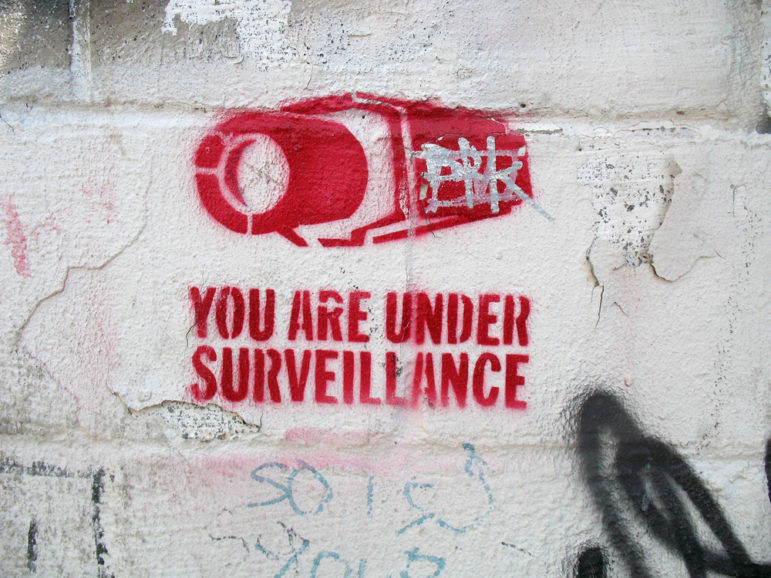
Investigative journalists went all out last year in covering surveillance issues. From a deep-dive into the dark side of pandemic tech in Singapore’s techno-utopia to an in-depth look at how schools are spending thousands on unreliable “aggression detectors” in the name of student safety, global reporters have been holding Big Tech accountable for its role in fueling authoritarianism worldwide.

Smartphones have bigger hard drives and more power than some laptops. And while there are millions of apps, many of them used for filming and photography by mobile journalists, Ivo Burum says that the standard features of ordinary smartphones should be mastered first.

With countries around the world considering the safest ways to ease lockdown measures, alongside the deployment of COVID-19 vaccines in many places, some are finding reasons to be optimistic about the end of the coronavirus crisis. But returning to once conventional daily activities, such as going to restaurants and sports stadiums, is still a distant prospect. Our NodeXL #ddj mapping from February 1 to 7 found Voxeurop covering the dangers of adopting biometric IDs and health passports, a look at Europe’s COVID-19 divide by Reuters, an analysis of leaked smartphone data by The New York Times, and a Twitter thread collection of archived data visualizations in various languages.
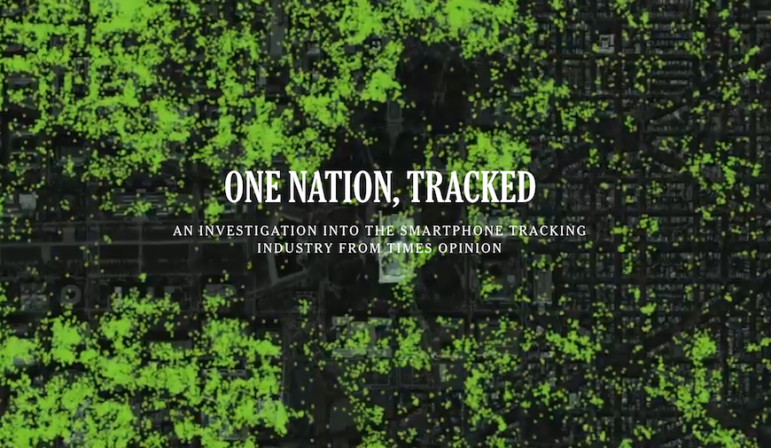
The New York Times’ Privacy Project highlighted the alarmingly unregulated activity of location data companies collecting data from millions of smartphone users. As the coronavirus pandemic sheds further light on the uses and misuses of location tracking, here’s a deeper look at the project that visualized phones being tracked around the US, from the Pentagon and the White House to the streets of San Francisco.

When it comes to doing mobile journalism, is there a big difference between expensive Androids and iOS phones? Is using an old phone fine and, if not, which phone should one upgrade to? Mobile journalism trainer Ivo Burum offers up the skinny on phone basics, the truth about pixels, lenses and more to help journalists decide the best phone to get the story done well.

Bots in newsrooms are becoming increasingly commonplace as a growing number of publishers experiment with various automated services to expand their coverage, help journalists do their jobs better or improve relationships with readers. Here’s a quick history of the bot in newsrooms, and ideas for employing them in yours.
In 2001 GIJN was born, as investigative journalists from around the globe met for the very first time to share ideas, tips, and best practices to strengthen their reporting in a world where journalism was increasingly under threat.
Today the threat has multiplied, and at GIJN we find ourselves under the same pressures as our member organizations. Most urgently: available funding for investigative journalism has been impacted as some longtime funders who supported journalism in the past are no longer doing so or have closed. Yet our work continues, more important than ever before.
GIJN serves as the global hub for the world’s investigative reporters. Our core mission is to support and strengthen investigative journalism—with special attention to those from repressive regimes and marginalized communities.
We are embarking on our first-ever campaign initiative to help us expand our revenue by the end of the year through individual donors. If you have ever joined one of our free webinars, used one of our free resources, learned a new skill thanks to a GIJN training, or simply believe that press freedom is essential to civil society, we ask you to show your support for GIJN’s work with a donation of your choosing. Called “Friends of GIJN,” this campaign includes a more personalized experience, starting in 2027, for individuals who answer the call to join with us during this unprecedented time.
Truth and democracy are under attack around the world. You can fight back by helping GIJN support investigative journalists with free access to the latest tools and techniques — so they can foster justice and hold accountable those who abuse the public trust.
With a staff based in 24 countries, GIJN works in a dozen languages each day, linking together the world’s most enterprising journalists, offering state-of-the-art training, webinars, tip sheets, and a Help Desk that responds to 2,000+ requests for assistance each year. More than 84% of GIJN’s operating budget goes directly to our program work.
Please make a gift today to support journalists on the front lines of the fight for accountability and human rights.