
GIJC25
Investigating Migration and People on the Move
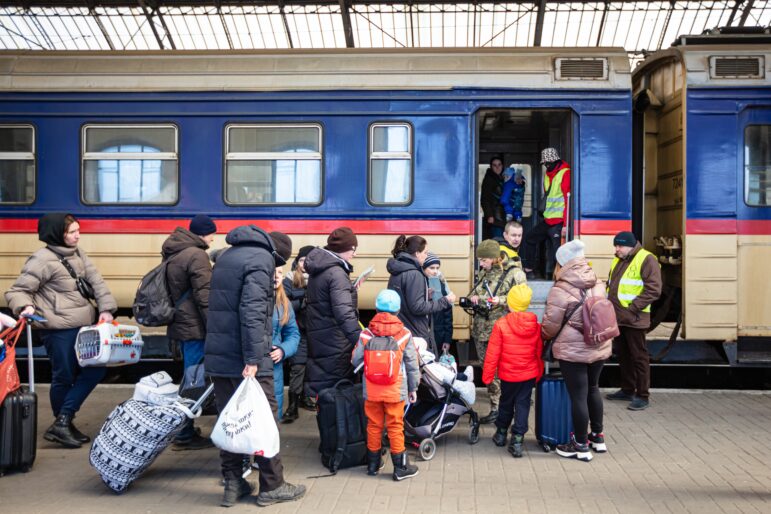
At this GIJC25 session, journalists shared how they combine open source research, on-the-ground reporting, and even self-built databases to investigate migration.
At this GIJC25 session, journalists shared how they combine open source research, on-the-ground reporting, and even self-built databases to investigate migration.
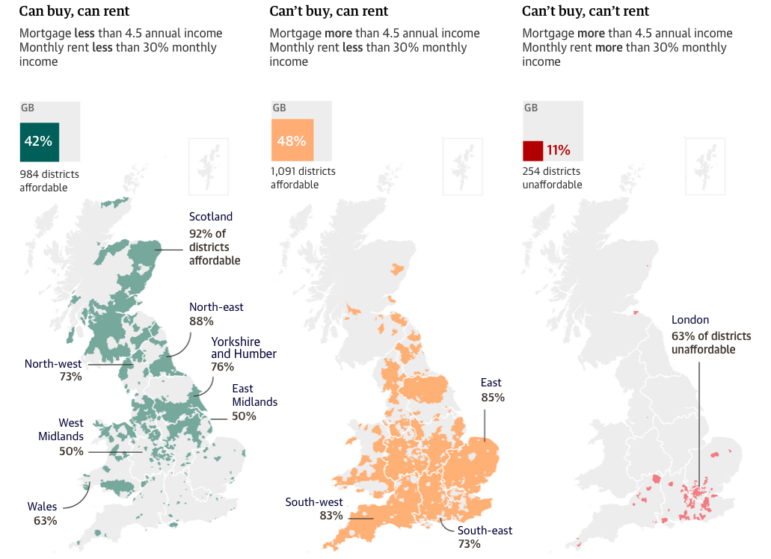
In this week’s Top 10 in Data Journalism, GIJN looks at the perilous state of UK housing affordability, tabulating a true Russia casualty count, and the common traits among US banned books.
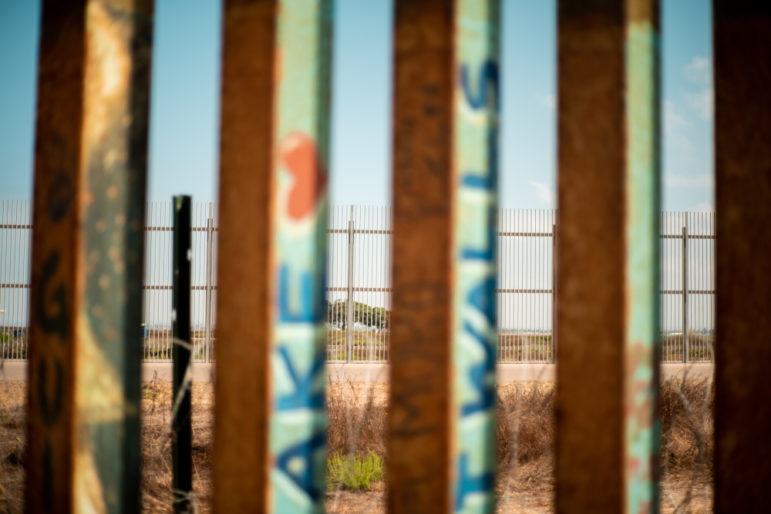
In an interview, The Atlantic’s investigative reporter Caitlin Dickerson discusses tips and techniques for covering the immigration beat, from knowing the history to setting expectations.
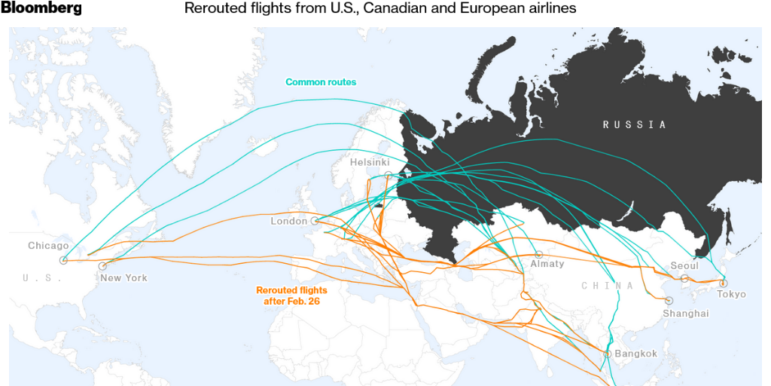
Data teams across the globe are still focused on Russia’s invasion of Ukraine, with The Economist examining the anti-war protests that have brought Russian citizens to the streets. Others have looked at the impact of flight bans, or been producing trackers to monitor and assess the sanctions that have been imposed as a result of Russian President Vladimir Putin’s order to go to war.
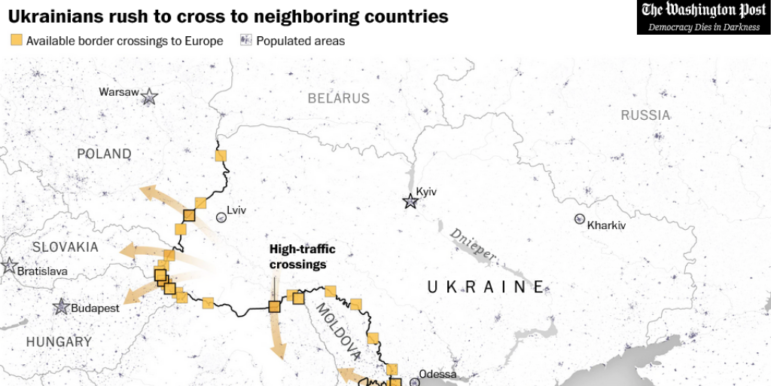
Our weekly round-up of the most popular data journalism stories on Twitter features an item from The Washington Post on refugees crossing Ukraine’s borders, an examination of vaccine hesitancy in the US, a look at how the coronavirus pandemic has changed life in the UK, and mapping the price of the Vietnamese staple of bánh mì in Australia.
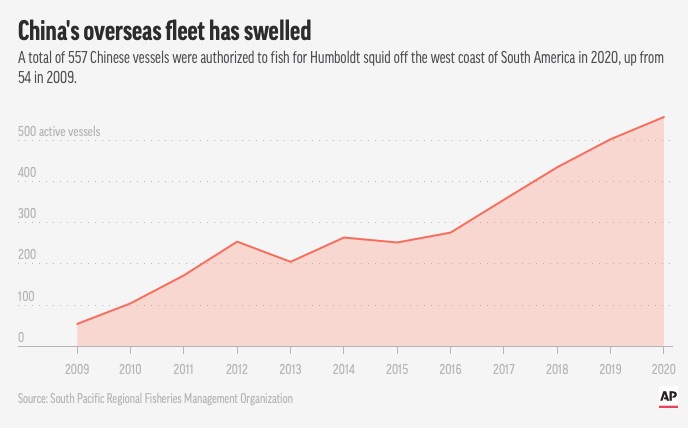
Tracking the most popular data journalism stories on Twitter from September 20 to September 26, using NodeXL mapping and our own human curation, we found investigations into burning oil in the Greek islands and heat-related deaths in German cities. In this edition, we also feature an exclusive story about China’s vast, secretive fishing fleet, a look at the US arms race, and an analysis of suspicious anomalies in the recent Russian election results.

The war in Syria has dragged on for a decade, which has led to more than six million people being displaced within the country’s borders, and a similar number have fled the country as refugees. But what has happened to the money raised to help rebuild the country? Journalist Mohammed Bassiki dug deep into the documents and followed the money trail to find out.
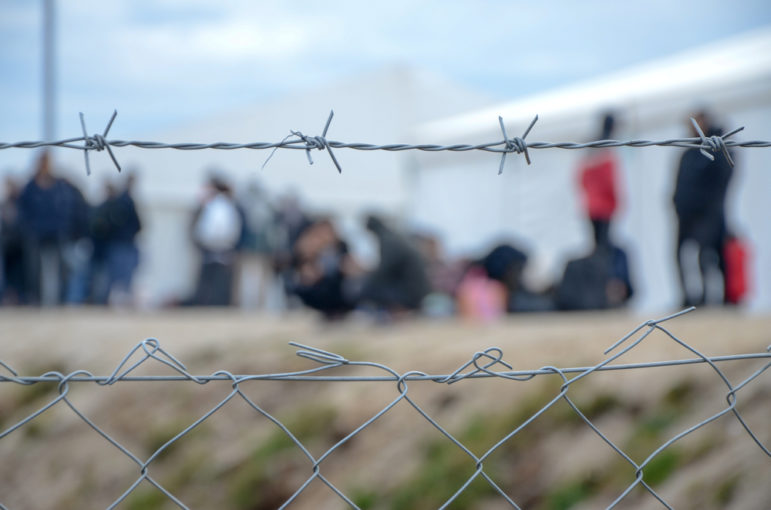
Award-winning author Jessica Goudeau, who won the 2021 J. Anthony Lukas Book Prize for best American nonfiction writing from the Columbia Journalism School and the Nieman Foundation for Journalism at Harvard University, discusses the need to tell stories of displaced people in fresh ways, starting with empathy.

As governments around the world continue vaccination efforts and extend lockdowns, some experts argue that more data is needed to evaluate the effectiveness of immunization campaigns and mobility restrictions. Our NodeXL #ddj mapping from January 11 to 18 found outlets in Germany and the United Kingdom analyzing government measures to reduce the impact of the COVID-19 pandemic. In this edition, we also feature an insightful interview with former Washington Post journalist Aaron Williams, an interactive timeline of the US Capitol riot by ProPublica, and a refreshing data visualization project by The Pudding.
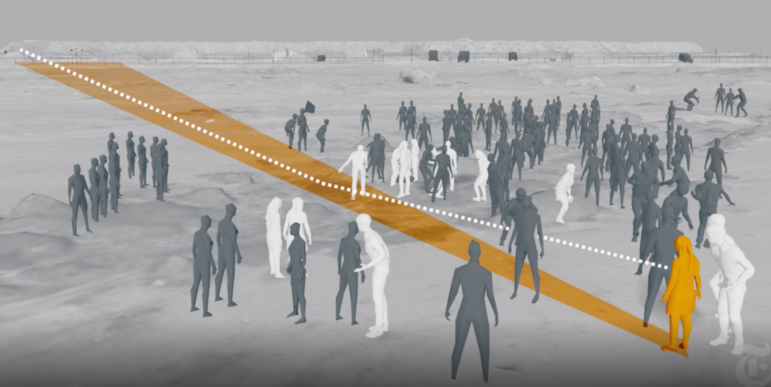
The excessive force used against anti-racism protesters around the world, in the wake of the killing of George Floyd in the US, reveals the need for more visual forensic skills in newsrooms to hold police to account. GIJN identified 12 tools and 12 methods that proved effective in several recent investigations that exposed harm done by security forces.