
Case Studies
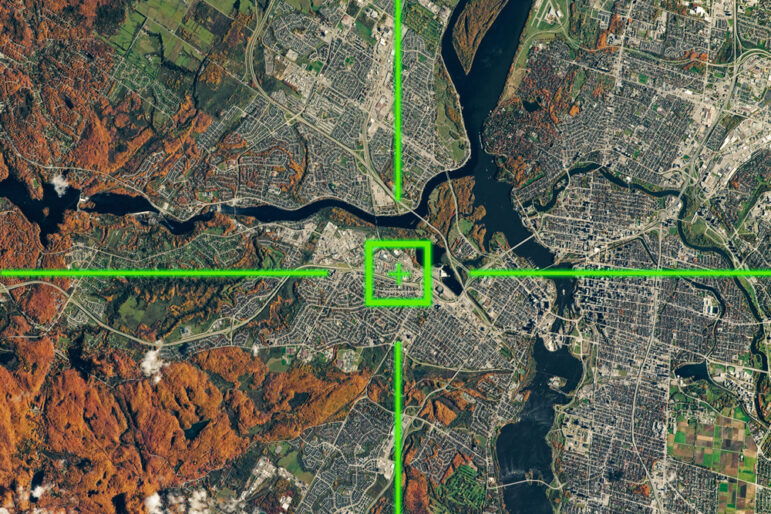
Can AI Chatbots Be Used for Geolocation?
Bellingcat fellow Dennis Kovtun tests the online geolocation capabilities of two popular AI chatbots — Microsoft’s Bing AI and Google’s Bard — and finds both have some serious drawbacks.
Bellingcat fellow Dennis Kovtun tests the online geolocation capabilities of two popular AI chatbots — Microsoft’s Bing AI and Google’s Bard — and finds both have some serious drawbacks.

Practicing good mental hygiene is a continuous process for investigators that requires active input at all times. Bellingcat offers these small steps to minimize and mitigate your exposure to distressing content, to possibly save you from burnout or worse.

The controversial killing of Shireen Abu Akleh has drawn global media attention and sparked a number of in-depth inquiries by the news media. Two of the most comprehensive investigations were done by Bellingcat and the Washington Post – and members from both teams will be joining this GIJN webinar.

Telegram is an invaluable research tool, helping journalists mine for information, investigate groups of people whose content is otherwise banned or limited on social media, and track protests and political movements in authoritarian countries. Here’s how to get started using it.
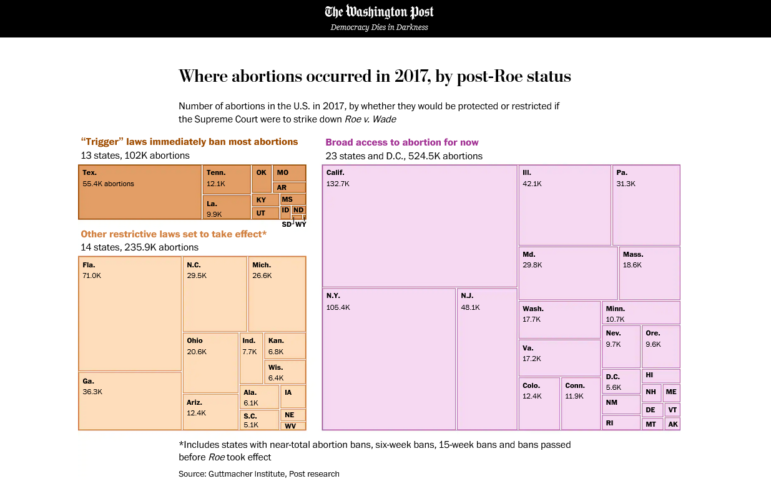
This week’s Top 10 in Data Journalism features an analysis of Russian military casualties, the heat wave scorching India, myths about the link between dog breeds and behavior, and the potential impact of overturning a key judicial ruling on abortion in the US.

Bellingcat’s Logan Williams, who presented a panel on digital forensic reporting labs at the 2022 International Journalism Festival 2022 in Perugia, Italy, gives his top tips for journalists interested in open source digital investigations.

The Sigma Awards celebrate the best in data journalism from around the world. Speaking at the Perugia International Journalism Festival, three of the founders of the award highlighted the best projects of recent years and pointed to what journalists can learn from these data stories.
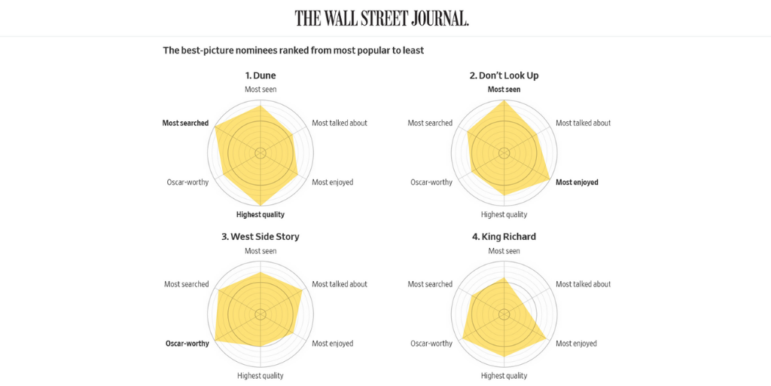
This week’s Top 10 in Data Journalism features in-depth analysis of the massive destruction being wrought on Ukraine, the harassment of scientists working on COVID-19, the various ways global corporations are changing their footprint in Russia, and the ranking of Oscar-nominated films.

Satellite imagery provides information that can enhance the ability to write compelling narratives about the state of our planet, cutting across multiple beats. But such a tool tends to be complex and out of the reach for many journalists, so this guide offers a process that reporters interested in covering the climate crisis can use for story projects.
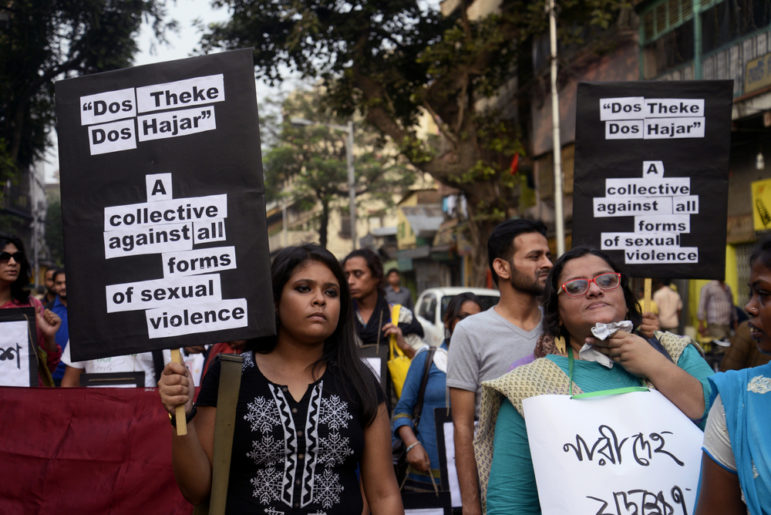
Journalist Rachel Chitra used news reports to build a database on hate crimes and violence in India. Here she gives tips for reporters facing a data gap, and offers lessons learned from her research about how journalists can reliably step in to gather, clean, and publish data when the government fails to keep track of important information.
In 2001 GIJN was born, as investigative journalists from around the globe met for the very first time to share ideas, tips, and best practices to strengthen their reporting in a world where journalism was increasingly under threat.
Today the threat has multiplied, and at GIJN we find ourselves under the same pressures as our member organizations. Most urgently: available funding for investigative journalism has been impacted as some longtime funders who supported journalism in the past are no longer doing so or have closed. Yet our work continues, more important than ever before.
GIJN serves as the global hub for the world’s investigative reporters. Our core mission is to support and strengthen investigative journalism—with special attention to those from repressive regimes and marginalized communities.
We are embarking on our first-ever campaign initiative to help us expand our revenue by the end of the year through individual donors. If you have ever joined one of our free webinars, used one of our free resources, learned a new skill thanks to a GIJN training, or simply believe that press freedom is essential to civil society, we ask you to show your support for GIJN’s work with a donation of your choosing. Called “Friends of GIJN,” this campaign includes a more personalized experience, starting in 2027, for individuals who answer the call to join with us during this unprecedented time.
Truth and democracy are under attack around the world. You can fight back by helping GIJN support investigative journalists with free access to the latest tools and techniques — so they can foster justice and hold accountable those who abuse the public trust.
With a staff based in 24 countries, GIJN works in a dozen languages each day, linking together the world’s most enterprising journalists, offering state-of-the-art training, webinars, tip sheets, and a Help Desk that responds to 2,000+ requests for assistance each year. More than 84% of GIJN’s operating budget goes directly to our program work.
Please make a gift today to support journalists on the front lines of the fight for accountability and human rights.