

Data Journalism
Malaysia’s Sinar Project: Using Data to Document Corruption
In Malaysia, the Sinar Project has taken up the challenge of collating patchy government statistics to provide the public, and journalists, with useable data.
In Malaysia, the Sinar Project has taken up the challenge of collating patchy government statistics to provide the public, and journalists, with useable data.
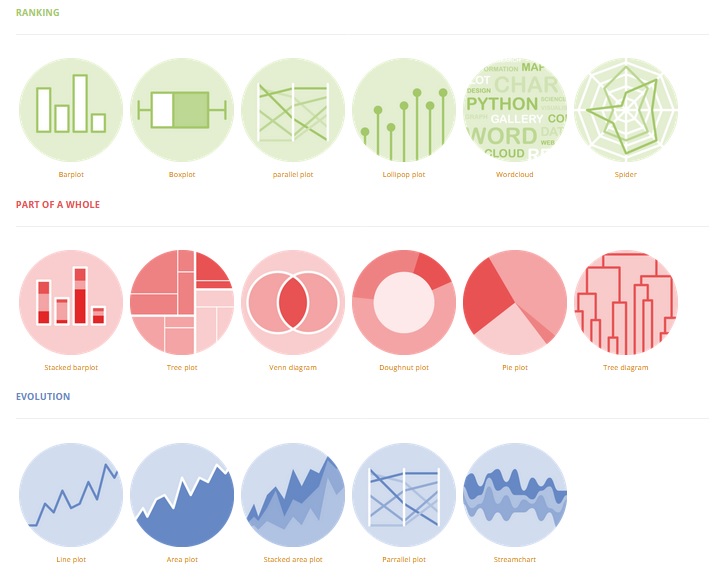
What’s the global data journalism community tweeting about this week? Our NodeXL #ddj mapping from October 16 to 22 has @Sage_News analyzing data journalism practices over the past four years, data expert @albertocairo weighing in on uncertainty in interpreting graphics, @tristanf listing 12 new digital story formats for news and @R_Graph_Gallery’s inspiring Python Graph Gallery.

As one of Russia’s few data journalists, Anastasia Valeeva has trained dozens of journalists in the former Soviet Union, the Balkans and Europe. Her recent study for the Reuters Institute at Oxford University delved into the ways investigative journalists are using open data in Russia. She spoke to GIJN’s Olga Simanovych about what she found.
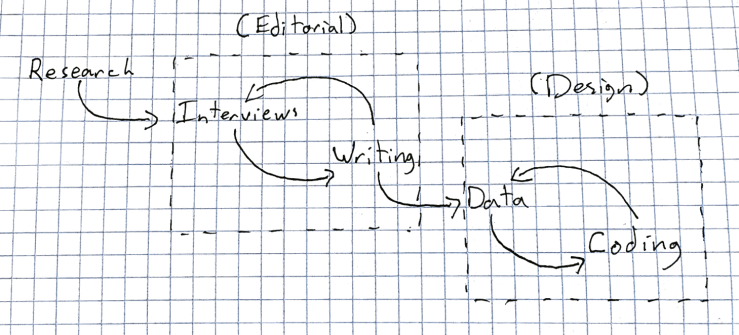
What’s the global data journalism community tweeting about this week? Our NodeXL #ddj mapping from July 24 to 30 has @qz comparing the cost of Trump’s golf trips to transgender healthcare, @visualisingdata sharing a chart-making directory and graphics guru @EdwardTufte applying Ezra Pound’s 23 “don’ts” for writing poetry to design.
In our latest look at FOIA around the world, we examine the state of open data sets. According to the new report by the World Wide Web Foundation, the news is not good.
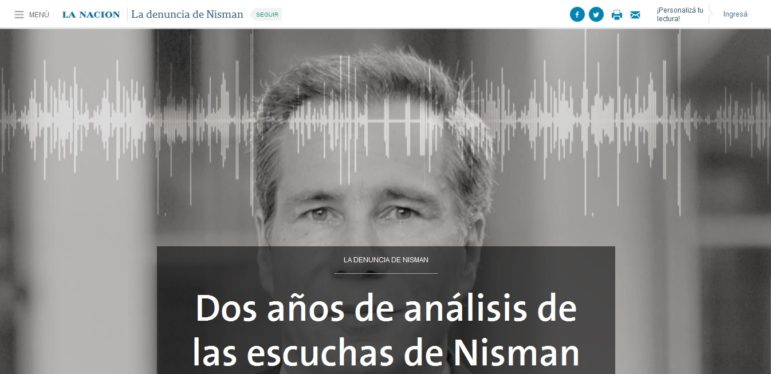
Here’s how the data team at Argentina’s La Nación dug into 40,000 audio recordings collected by prosecutor Alberto Nisman, who was murdered while investigating a Buenos Aires terrorist attack tied to Iran.
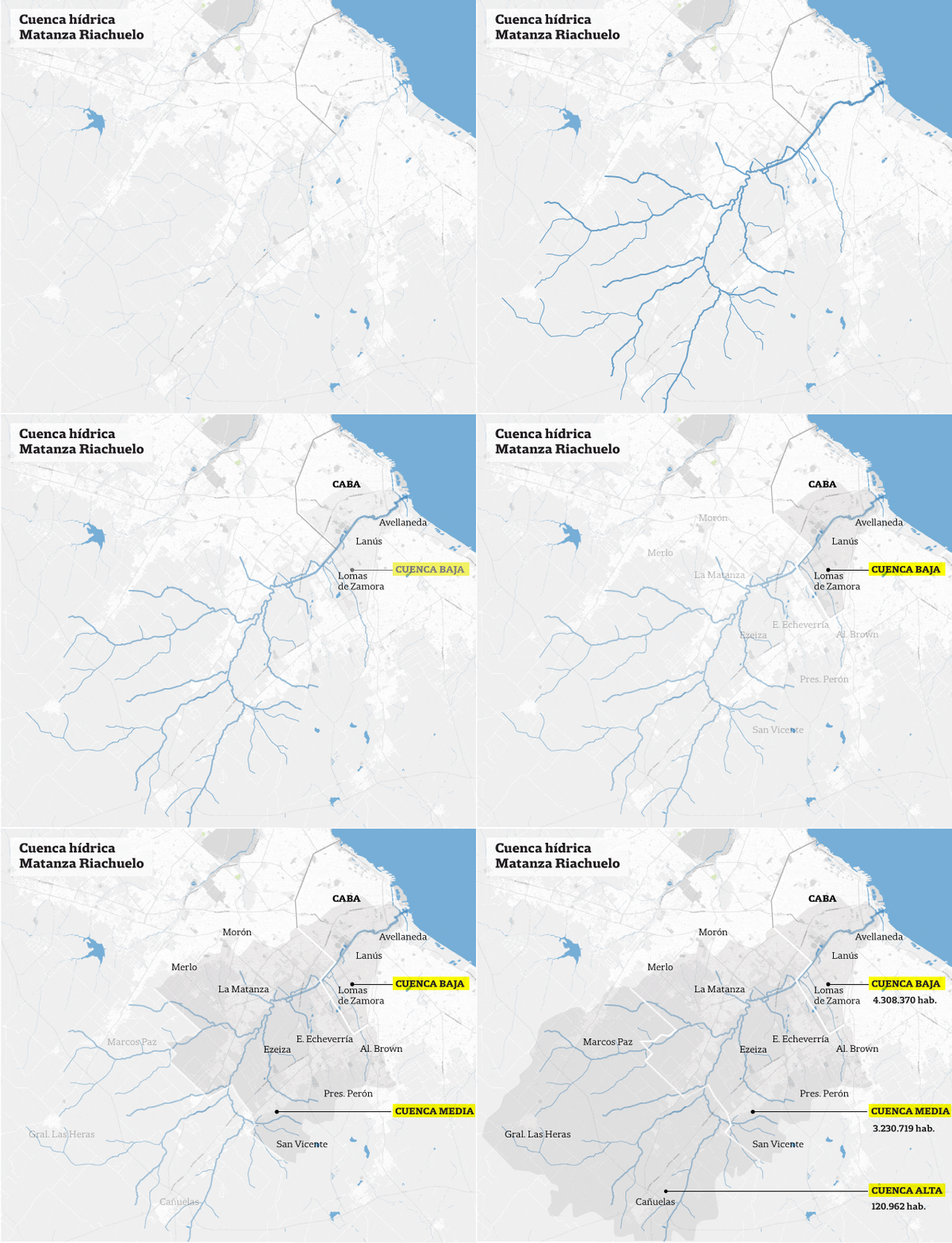
There is a huge amount of data available on pollution and disease caused by the Matanza River – widely known as River Riachuelo – the problem was transforming it into information that those affected could easily understand. In a special multimedia report, La Nación used open data and data visualization to illustrate the extent of the problem.
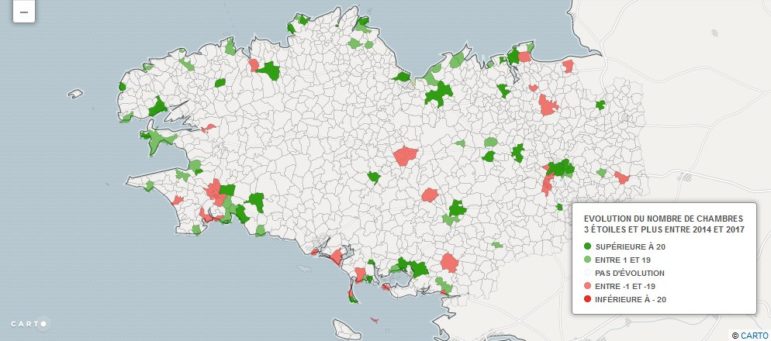
Here are top data journalism tweets for Apr 10-16, per our NodeXL mapping: Brittany’s posh hotels (@dataspotTLG); Flourish #dataviz tool (@FastCoDesign); US health insurance (@NPR); hexagonal Europe (@MusMekh); visual vocabulary (@ftdata); data internships (@ONS); China’s rising water (@kimmelman); & more.

Open data can bring much value to China, especially with regard to government efficiency and effectiveness, data-informed decision-making, and increasing the public’s trust through greater engagement. Although there have been improvements in the quality and availability of government open data in China, data expert Yolanda Ma states that there are still many more challenges to overcome.
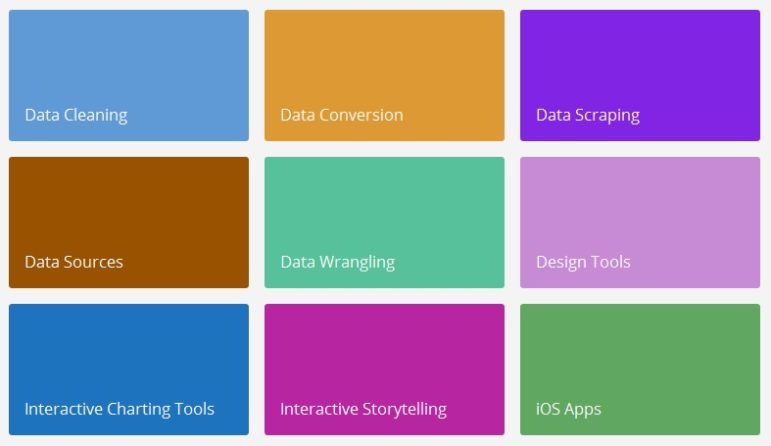
Here are the hottest data journalism tweets for Jan 16-22, per our NodeXL mapping: dataviz catalog (@flowingdata); Inaugurations compared (@pewresearch); big data & polls (@ddjournalism); Hispanics in America (@UniNoticias); Le Monde data (@decodeurs); Obama’s record (@nytimes); & more.
In 2001 GIJN was born, as investigative journalists from around the globe met for the very first time to share ideas, tips, and best practices to strengthen their reporting in a world where journalism was increasingly under threat.
Today the threat has multiplied, and at GIJN we find ourselves under the same pressures as our member organizations. Most urgently: available funding for investigative journalism has been impacted as some longtime funders who supported journalism in the past are no longer doing so or have closed. Yet our work continues, more important than ever before.
GIJN serves as the global hub for the world’s investigative reporters. Our core mission is to support and strengthen investigative journalism—with special attention to those from repressive regimes and marginalized communities.
We are embarking on our first-ever campaign initiative to help us expand our revenue by the end of the year through individual donors. If you have ever joined one of our free webinars, used one of our free resources, learned a new skill thanks to a GIJN training, or simply believe that press freedom is essential to civil society, we ask you to show your support for GIJN’s work with a donation of your choosing. Called “Friends of GIJN,” this campaign includes a more personalized experience, starting in 2027, for individuals who answer the call to join with us during this unprecedented time.
Truth and democracy are under attack around the world. You can fight back by helping GIJN support investigative journalists with free access to the latest tools and techniques — so they can foster justice and hold accountable those who abuse the public trust.
With a staff based in 24 countries, GIJN works in a dozen languages each day, linking together the world’s most enterprising journalists, offering state-of-the-art training, webinars, tip sheets, and a Help Desk that responds to 2,000+ requests for assistance each year. More than 84% of GIJN’s operating budget goes directly to our program work.
Please make a gift today to support journalists on the front lines of the fight for accountability and human rights.