

Case Studies
How Women Are Driving a Golden Age of Data Journalism in Kenya
Eunice Magwambo, Purity Mukami, and Juliet Atellah discuss their work and challenges facing data journalists in their home country of Kenya.
Eunice Magwambo, Purity Mukami, and Juliet Atellah discuss their work and challenges facing data journalists in their home country of Kenya.
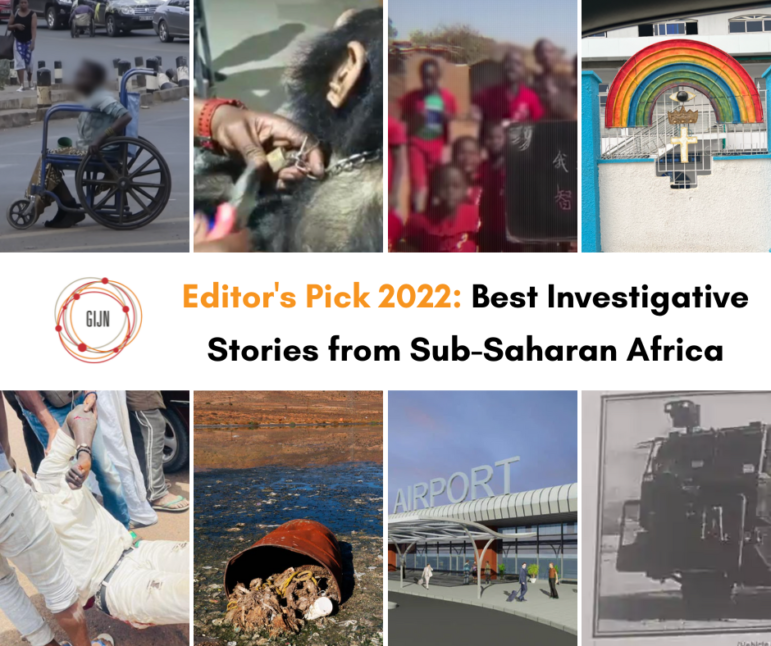
GIJN’s Africa editor, Benon Herbert Oluka, presents his Editor’s Picks for the best investigative reporting from sub-Saharan Africa in 2022, which demonstrated the curiosity, ingenuity, bravery, and technological know-how of Africa’s top investigative journalists and teams.

Two decades after US-led troops invaded Afghanistan to topple the Taliban regime, the organization has retaken control of the country. Our NodeXL mapping from August 9 to 15, found an animated map by the Financial Times showing how the Taliban captured various districts across the country before surging into the capital Kabul earlier this week. In this edition, we also feature an investigation into America’s diabetes crisis by Reuters, a look into Lionel Messi’s legacy at Barcelona by The Economist, and a piece on the history of data journalism by the Guardian.
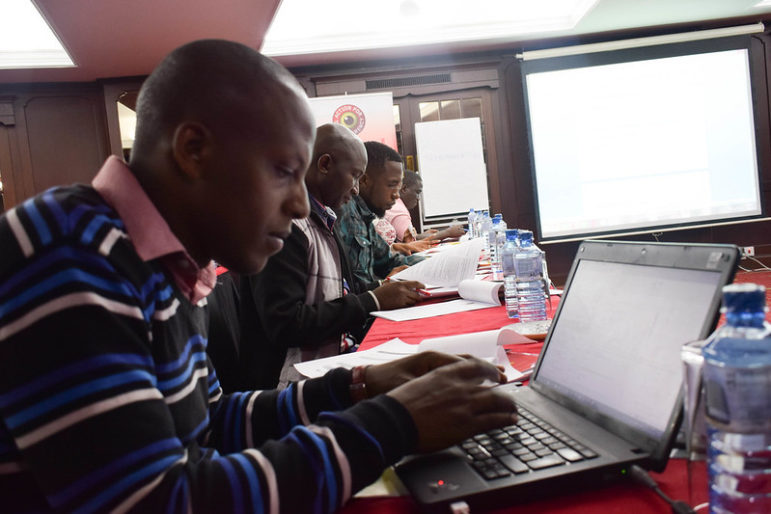
In Kenya, the NGOs Transparency International and Fojo Media Institute have paired up to train budding investigative journalists and offer them reporting grants. GIJN’s Rowan Philp reports.
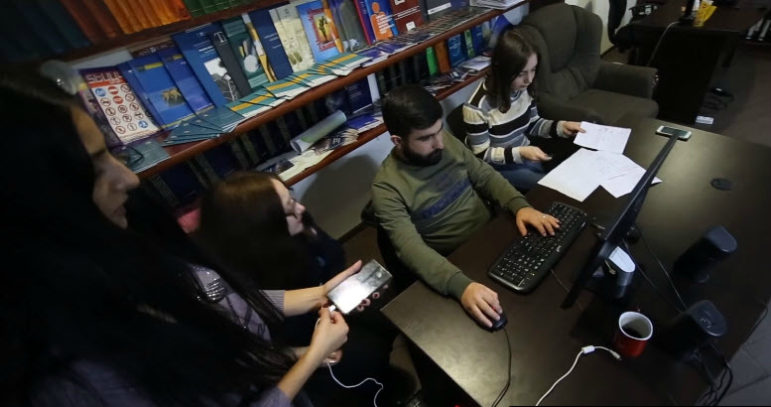
Around the world, millions of people seem to be tuning serious journalism out, as the fallout from misinformation, fatigue, and rival information sources overwhelm audience attention. But in three developing countries, large new audiences are now tuning in – to watch investigative reporting teams compete in Pop Idol-style reality shows.
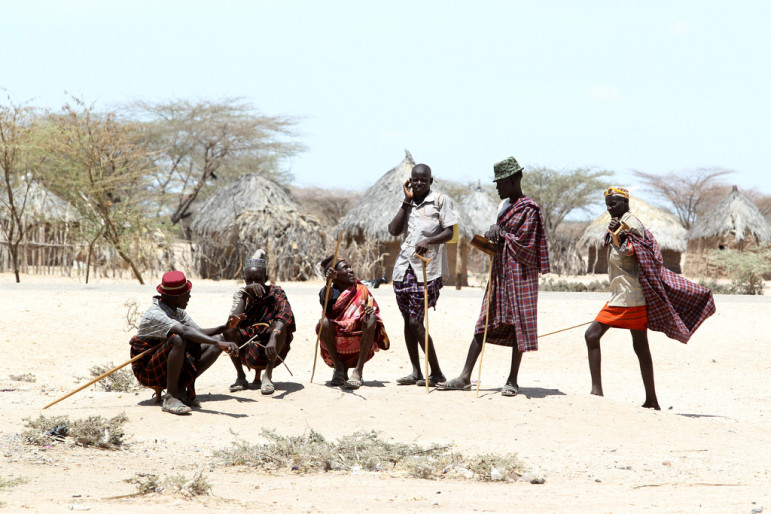
In Kenya’s poor, dry Turkana region, recent discoveries of water and oil could change the lives of residents who depend on food aid for survival. In March 2012, the country’s President Mwai Kibaki announced that oil had been discovered in Turkana after exploratory drilling by an Anglo-Irish oil firm. And last year, UNESCO announced that large reserves of groundwater had been discovered in the drought-ridden area. How much will the new resources help Kenyans, and how much of the new wealth will flow back to European investors? The answer is complex, but a team of data journalists is working to make it more clear. Land Quest, a cross-border investigative journalism experiment which launched last week in beta, is using data to illuminate the competing financial interests in Kenya. It maps the flow of aid money from Europe to Kenya, and the flow of profits from Kenya back to Europe.
In 2001 GIJN was born, as investigative journalists from around the globe met for the very first time to share ideas, tips, and best practices to strengthen their reporting in a world where journalism was increasingly under threat.
Today the threat has multiplied, and at GIJN we find ourselves under the same pressures as our member organizations. Most urgently: available funding for investigative journalism has been impacted as some longtime funders who supported journalism in the past are no longer doing so or have closed. Yet our work continues, more important than ever before.
GIJN serves as the global hub for the world’s investigative reporters. Our core mission is to support and strengthen investigative journalism—with special attention to those from repressive regimes and marginalized communities.
We are embarking on our first-ever campaign initiative to help us expand our revenue by the end of the year through individual donors. If you have ever joined one of our free webinars, used one of our free resources, learned a new skill thanks to a GIJN training, or simply believe that press freedom is essential to civil society, we ask you to show your support for GIJN’s work with a donation of your choosing. Called “Friends of GIJN,” this campaign includes a more personalized experience, starting in 2027, for individuals who answer the call to join with us during this unprecedented time.
Truth and democracy are under attack around the world. You can fight back by helping GIJN support investigative journalists with free access to the latest tools and techniques — so they can foster justice and hold accountable those who abuse the public trust.
With a staff based in 24 countries, GIJN works in a dozen languages each day, linking together the world’s most enterprising journalists, offering state-of-the-art training, webinars, tip sheets, and a Help Desk that responds to 2,000+ requests for assistance each year. More than 84% of GIJN’s operating budget goes directly to our program work.
Please make a gift today to support journalists on the front lines of the fight for accountability and human rights.