

Resource Video
Investigating the Israel Hamas Conflict
Three senior investigative journalists shared tips and tools on investigating the conflict in Gaza.
Three senior investigative journalists shared tips and tools on investigating the conflict in Gaza.
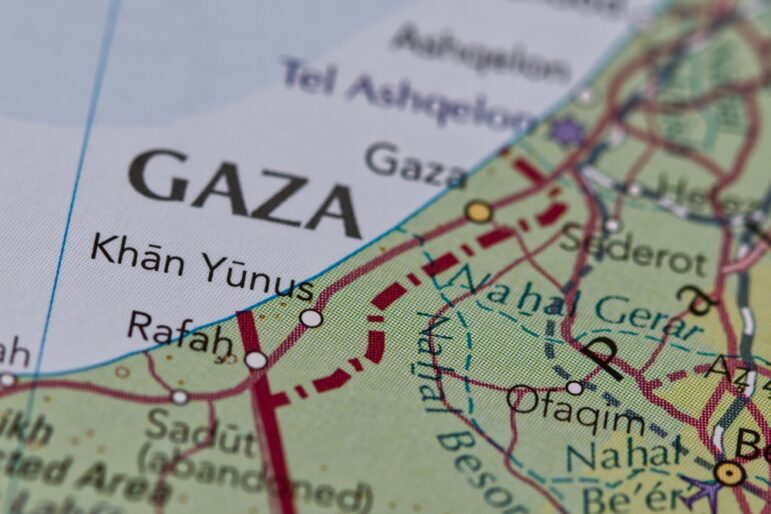
To show how investigative journalism can still be done in such a perilous reporting environment, here is a selection of some of the best investigations that have been produced so far on the Gaza conflict.

Being an investigative journalist in the Middle East and North Africa was immensely challenging in 2022, thanks to the dramatic decline in press freedom in places once considered safer for journalists such as North Africa, the lack of human and financial resources, and the inability to access data and public information in most Arab countries.
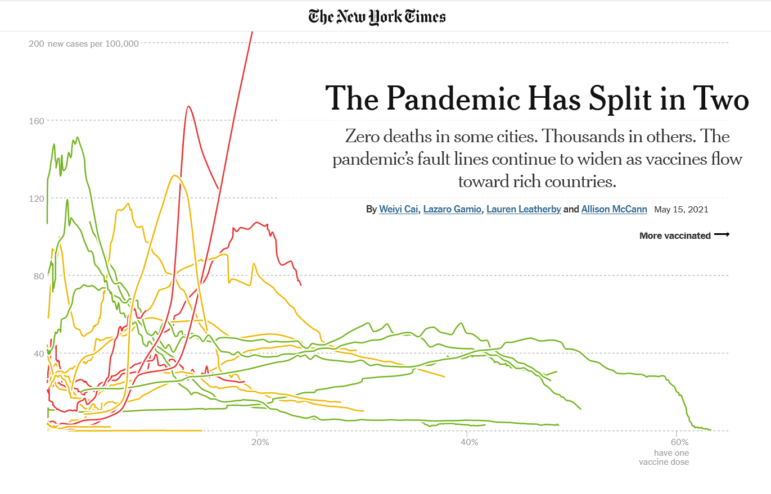
In this edition of Data Journalism Top 10, we look at the history of Eurovision, a Financial Times analysis of how much energy is needed to mine bitcoin, a piece on wildlife trafficking in Hong Kong by GIJN member Oxpeckers, and a piece looking at how American families spend their monthly budgets.
Reporters Sans Frontieres published, for the first time, a list of press freedom’s 20 worst digital predators in 2020. Whether state offshoots, private-sector companies, or informal entities, they reflect a reality of power at the end of the 21st century’s second decade, in which investigative reporters and other journalists who cause displeasure risk being the targets of predatory activity by often hidden actors.
In 2001 GIJN was born, as investigative journalists from around the globe met for the very first time to share ideas, tips, and best practices to strengthen their reporting in a world where journalism was increasingly under threat.
Today the threat has multiplied, and at GIJN we find ourselves under the same pressures as our member organizations. Most urgently: available funding for investigative journalism has been impacted as some longtime funders who supported journalism in the past are no longer doing so or have closed. Yet our work continues, more important than ever before.
GIJN serves as the global hub for the world’s investigative reporters. Our core mission is to support and strengthen investigative journalism—with special attention to those from repressive regimes and marginalized communities.
We are embarking on our first-ever campaign initiative to help us expand our revenue by the end of the year through individual donors. If you have ever joined one of our free webinars, used one of our free resources, learned a new skill thanks to a GIJN training, or simply believe that press freedom is essential to civil society, we ask you to show your support for GIJN’s work with a donation of your choosing. Called “Friends of GIJN,” this campaign includes a more personalized experience, starting in 2027, for individuals who answer the call to join with us during this unprecedented time.
Truth and democracy are under attack around the world. You can fight back by helping GIJN support investigative journalists with free access to the latest tools and techniques — so they can foster justice and hold accountable those who abuse the public trust.
With a staff based in 24 countries, GIJN works in a dozen languages each day, linking together the world’s most enterprising journalists, offering state-of-the-art training, webinars, tip sheets, and a Help Desk that responds to 2,000+ requests for assistance each year. More than 84% of GIJN’s operating budget goes directly to our program work.
Please make a gift today to support journalists on the front lines of the fight for accountability and human rights.