Climate News & Analysis
The Rise of African Environmental Investigative Journalism
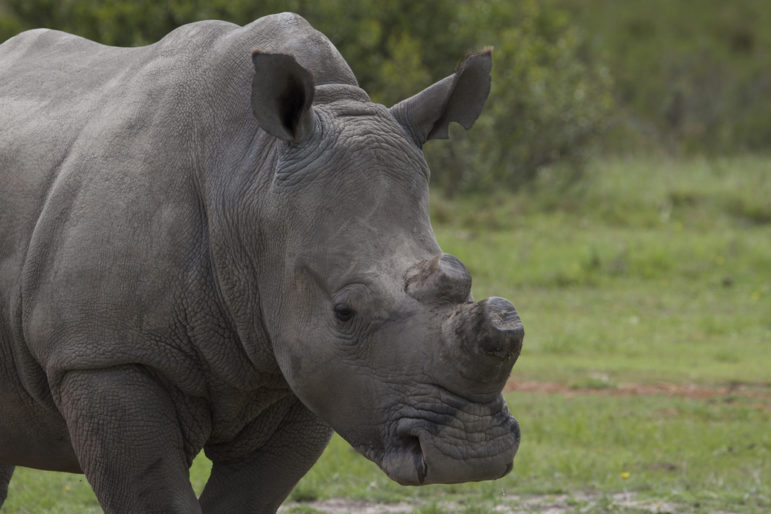
Investigative journalism of environmental issues has grown substantially in recent years in Africa, thanks to a number of new initiatives and reporting projects.
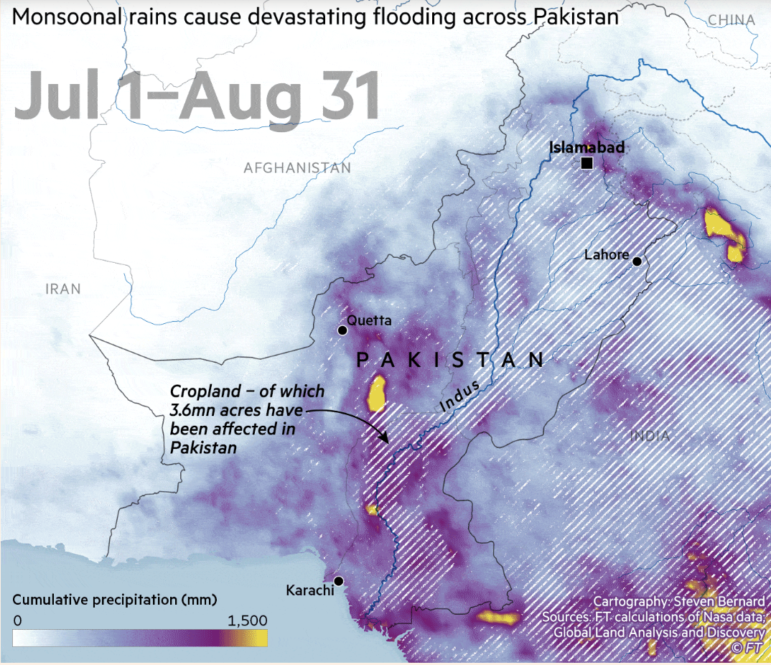
This week’s Top 10 in Data Journalism features the carbon footprint of celebrity jets, the unsanctioned destruction of the Amazon, secret documents seized from Trump, massive Pakistan flooding, and a look into the history of memes.
Eight investigative reporters share their current favorite tools and apps, for tasks ranging from social media search to locating prisoners, tracking the global supply chain, and uncovering Russian military recruiters.
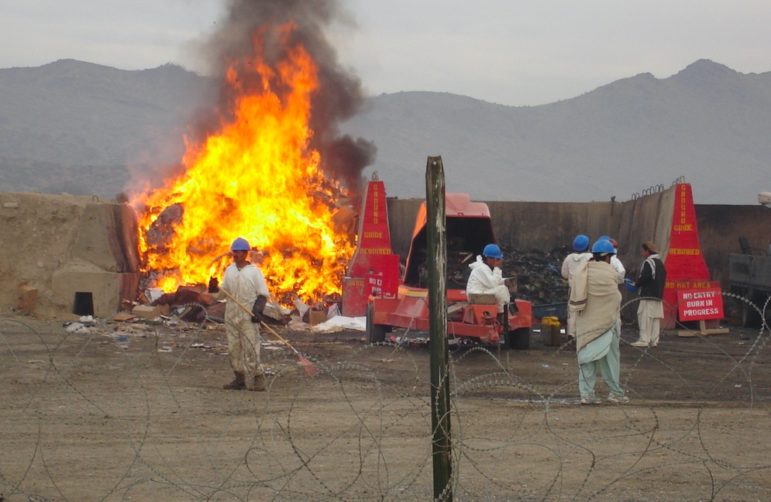
The reporter who first broke open the US military burn pits scandal and its hazardous environmental impact on veterans discusses how she reported the story and tracked its evolution to the halls of the US Congress.
At the Pulitzer Center’s recent environmental investigative conference, Interconnected: Reporting the Climate Crisis, a panel of environmental reporters and designers explained how data and visualization can make environmental stories compelling.
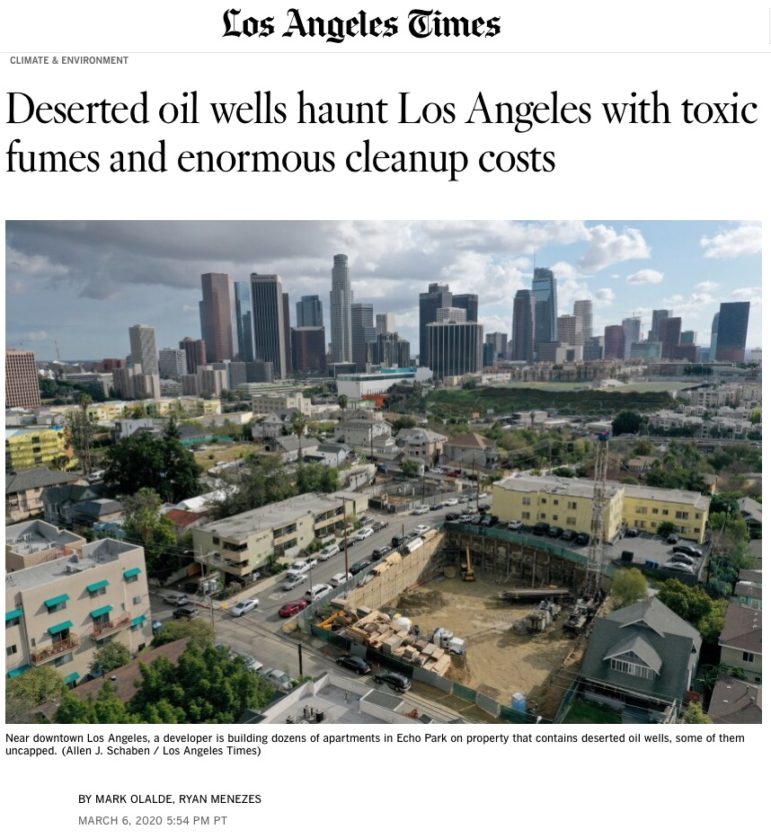
In a recent Q+A, environmental reporter Mark Olalde discussed a collaborative investigation on the impact of abandoned oil wells and other extractive industry infrastructure on nearby communities. The investigation won second place in the investigative reporting category at the awards of the Society of Environmental Journalists.
This edition of the GIJN Toolbox explores global databases and remote sensing resources that reporters can use to investigate local environmental threats.
Journalists are increasingly using the tools of science journalism and scientific inquiry to carry out in-depth data and investigative reporting, and even to shine a spotlight on questionable scientific findings.
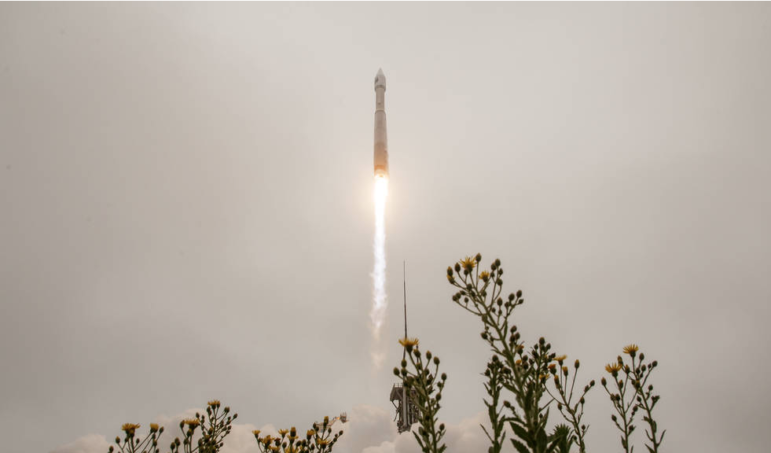
NASA’S Landsat 9 satellite went into orbit on September 27. After about three months of shakedown and calibration, it will be regularly downloading data to anyone who asks. It can show trends in deforestation (or afforestation or reforestation), forest health, agricultural crops, coastal erosion, drought and flooding, and more.
Among five leading environmental journalists who covered COP26, there is cautious optimism, but also a recognition that there is still much to be done. Speaking at the GIJC21, they highlighted a wide range of topics related to climate change that are still underreported by newsrooms around the world.