How They Did It
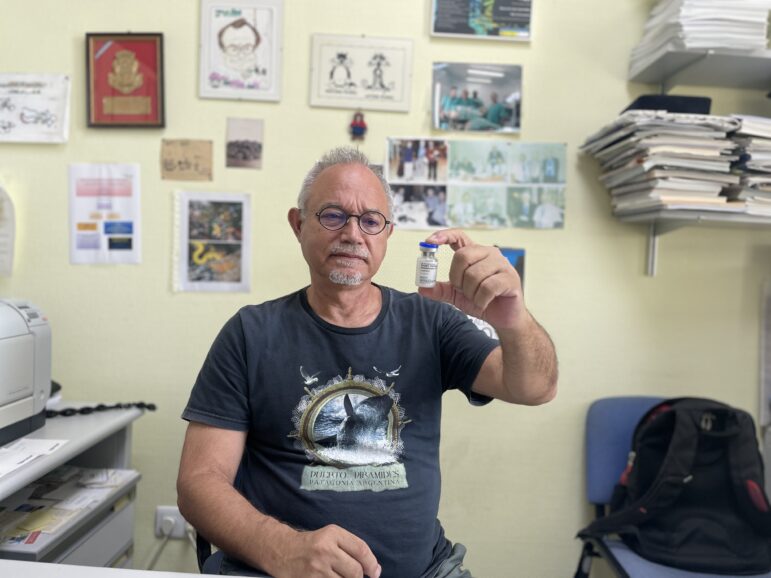
From the Hospital to the Lab: How We Reported the Snakebite Scandal
Two reporters from The Bureau of Investigative Journalism’s global health team explain how they uncovered the shady world of phony snakebite antivenom.
Two reporters, nominated for the 2025 Goldsmith Prize, spent years investigating legal agreements in California that hide police officers’ past misconduct from the public.
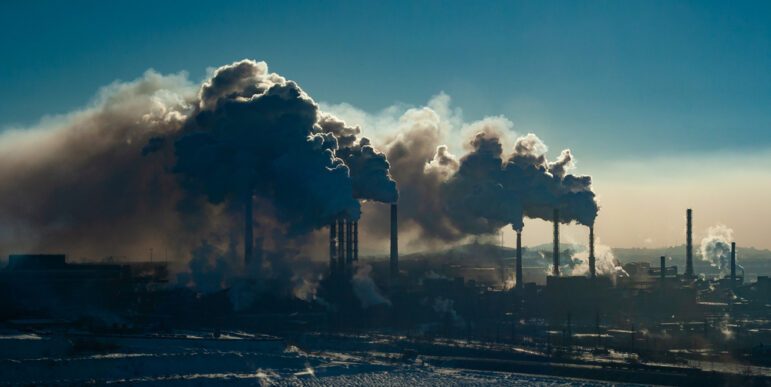
The lack of regulatory oversight of radioactive waste in the oil and gas industry has created an environment ripe for some extraordinary science and environmental journalism.
Covering Trump 2.0 poses stark challenges for news outlets, but many environmental journalists who reported on Trump between 2016 and 2020 can offer perspective.
TBIJ journalists explain how they got around SLAPP suits by having UK Members of Parliament — shielded by legal privilege — read in the House of Commons previously silenced stories.
Homelessness is at a record high, and there are many investigative stories to tell. ProPublica has compiled tips and lessons learned from its sources while pursuing its coverage.
CLIP developed a collaborative database that empowers journalists to access public documents, contracts, and datasets across Latin America.
Files discovered at Syria’s intelligence directorate after the fall of the Assad regime detail an operation to surveil and investigate SIRAJ, a Syrian journalist collective.
How the Philippine Center for Investigative Journalism looked into the opaque algorithm used by the ride-hailing company Grab.
A collection of the tipsheets, research roundups, and explainers published this past year to help reporters cover the 2024 US election.