

News & Analysis
The Case for Free Access to FOIA-Based Public Documents Reporting
Full, unpaywalled access to public records reporting is not only good for democracy, it can increase reader trust and bolster sustainability.
Full, unpaywalled access to public records reporting is not only good for democracy, it can increase reader trust and bolster sustainability.
GIJC25 speaker Lina Ejeilat co-launched 7iber as a blog in 2007 and it has grown into an award-winning investigative site covering Jordan and the Middle East.
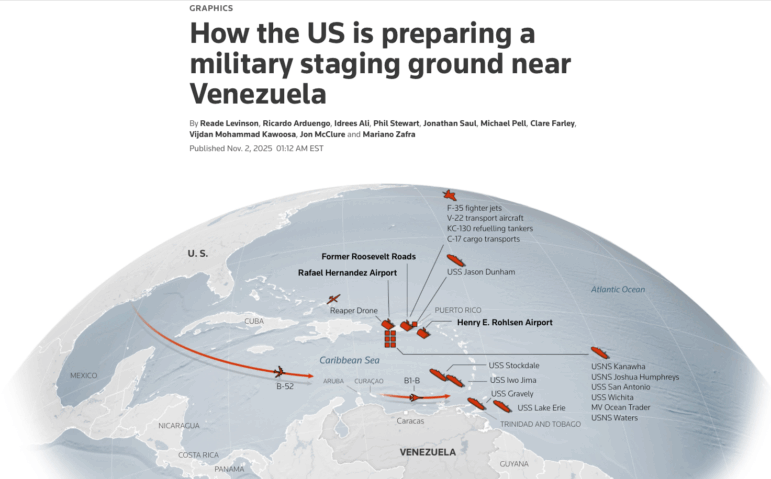
Our round-up of the best in recent data journalism also features stories on wildfire prevention blackouts in California, and how sleep deprivation affects residents in war-torn Ukraine.
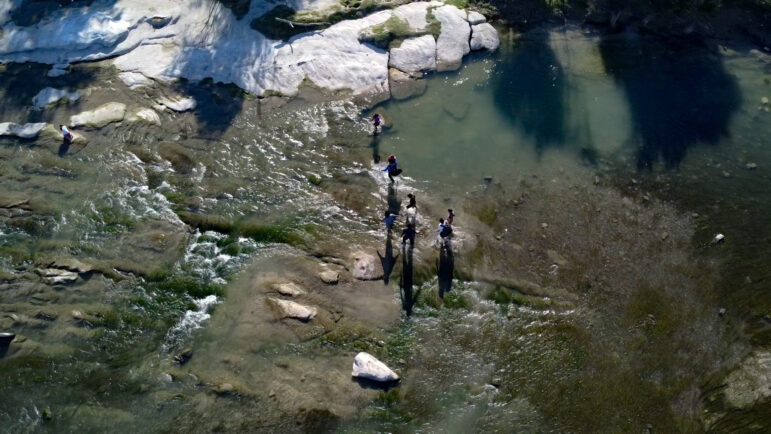
This transnational collaborative project investigating US-Mexico border deaths won the 2025 Gabo Award, with judges praising its “investigative rigor” and “innovative approach.”

Investigations by independent journalists like Pablo Torre are a clear example of the growing need for bottom-up, citizen journalism — particularly given US media industry trends.

Alumni of GIJN’s four Digital Threats training courses have produced a number of exposés on online scams and political disinformation, from India to Kenya to the Philippines.

GIJN’s member organizations re-elected four current board members whose terms expired in 2025, and also voted in three new board members.

Data editor Helena Bengtsson once asked the national statistics agency to cross-match a teachers database with another featuring court convictions. The findings led to a change in Swedish law.

With basic web knowledge, guidance, and examples, even non-coding journalists can build a scraper with large language models.

The four-day event will showcase 25 feature-length and short-form documentaries that shine new narrative light on urgent topics in North America and far beyond.

Networking in journalism, especially investigative journalism, is not merely about establishing superficial contacts but about building a trust-based, ethical, and resilient professional community.

Type Investigations goes behind the scenes of a recent exposé on how hospitals are turning to medical deportations of undocumented patients in the United States.
GIJC25 speaker Purity Mukami, who trained as a statistician, is one of the pioneering women reporters helping to build data journalism in East Africa.
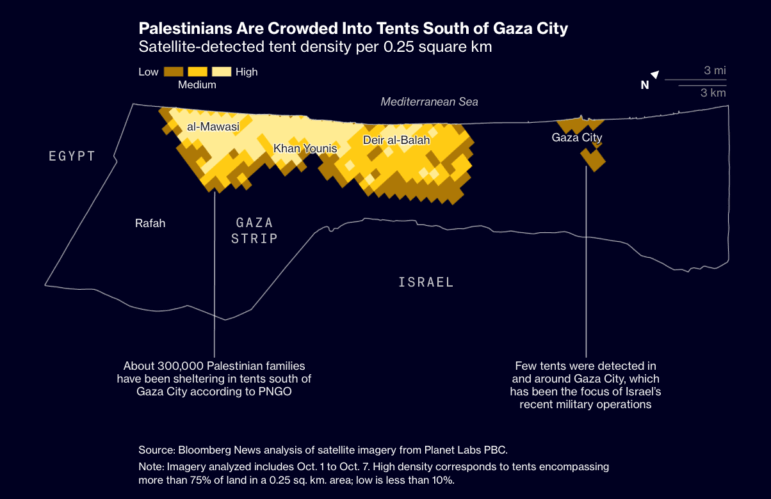
Our round-up of the best in recent data journalism also features stories on what happens next in Gaza, a wildfire in a Namibian nature reserve, and the rise of the bespoke tailoring market in India.

Through her two-plus decades of mentoring young journalists, Joke Kujenya has left a legacy of fostering and strengthening investigative reporting in a difficult press climate.

Since 2020, the exiled outlet’s investigations have led to approximately 90 sanction actions, proving how journalism can make a real impact on authoritarian regimes.

Reporters, editors, and experts who cover regions with longstanding tensions or conflict between communities share tips and best practices for reporting responsibly — and safely.
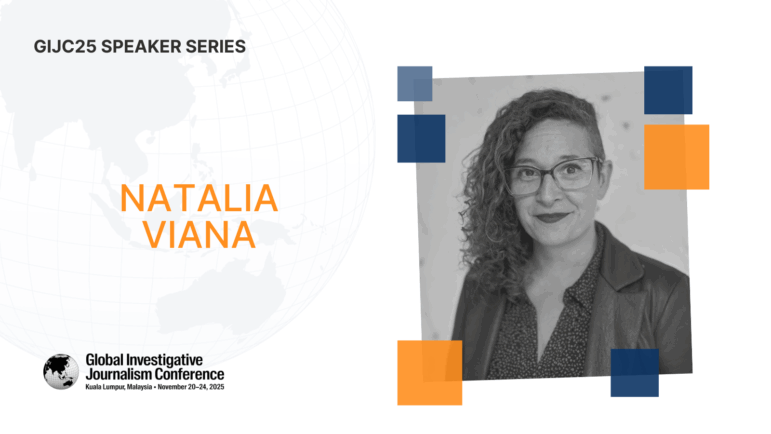
Natalia Viana, co-founder and executive director of Agência Pública, Latin America’s largest nonprofit newsroom, has investigated human rights and the spread of online disinformation.

The first Global Investigative Journalism Conference to be held in Asia will feature a treasure-trove of Asia-focused panels, data workshops, and networking events,

Investigations from Pakistan, Bangladesh, and India illuminate the routes and networks fueling human trafficking and people smuggling in, and from, the region.
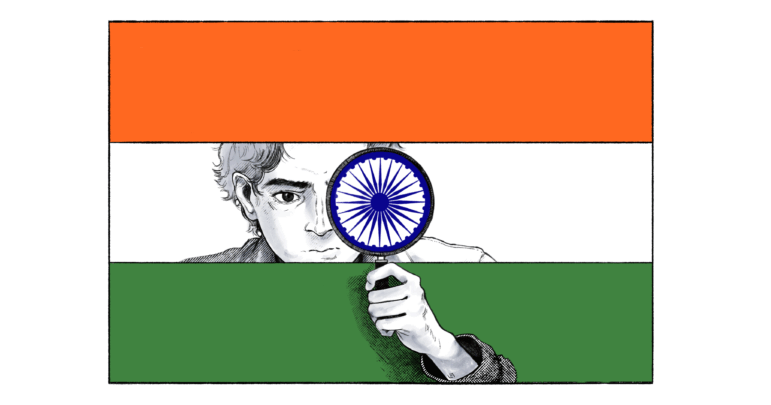
This small yet notorious investigative outlet was formed almost by accident — but has gone on to investigate electoral issues, conflict, and the death of an Indian journalist.

The award-winning reporter and deputy CEO of Taiwan’s The Reporter says public support is the “vital force” that ensures investigative journalism continues to exist.
This October, GIJN member representatives will vote to elect three regional representatives and four at-large directors for the 15-person Board of Directors.

Data storytelling newsrooms have found innovative approaches to navigate closed data regimes, political pressures, and resource gaps.
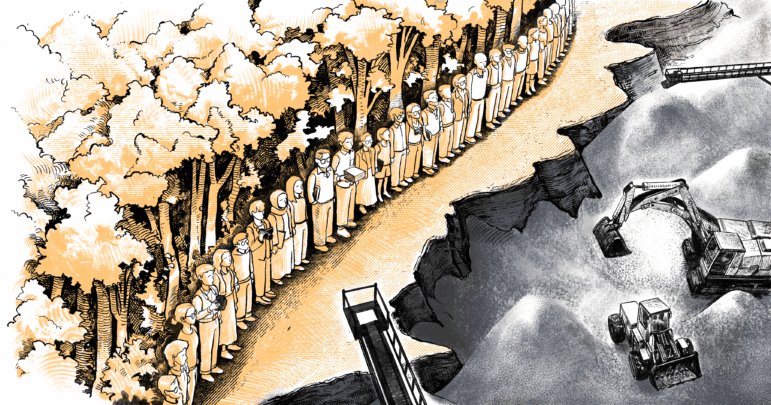
Outlets across the region are collaborating to investigate the environmental harms that cross borders.

Kunda Dixit speaks to GIJN about the challenges he has faced in a storied career in investigative reporting, from going into exile to reporting in the face of legal attacks.
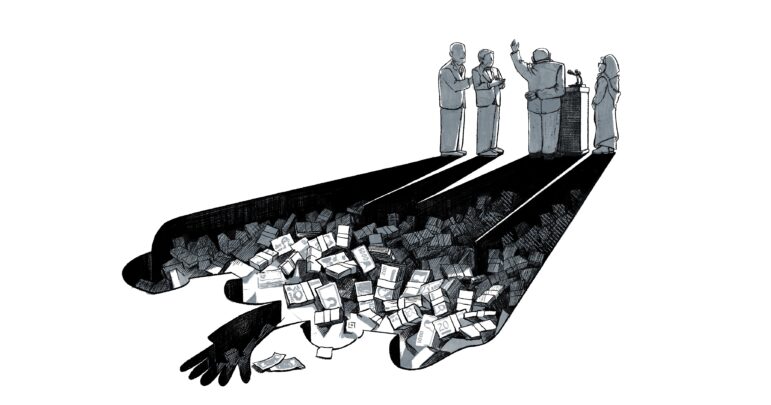
In this installment of GIJN’s Asia Focus project, we look at how investigative journalists across the continent are exposing kleptocracy and documenting official corruption.
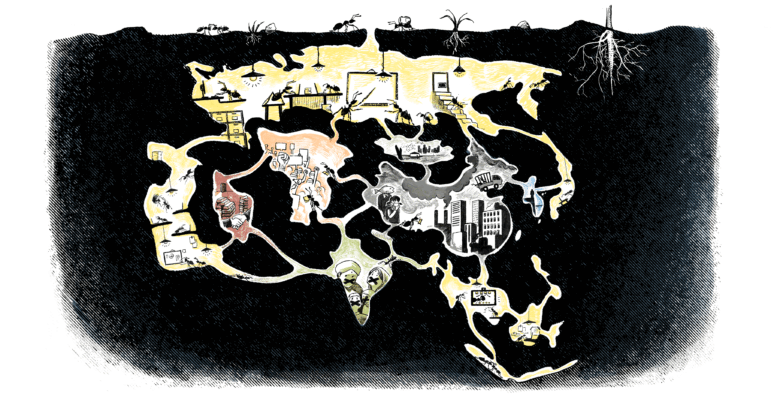
Asia serves as a unique laboratory in the global media landscape but journalists here face multiple challenges: censorship, threats, surveillance, and financial pressures.