
Climate
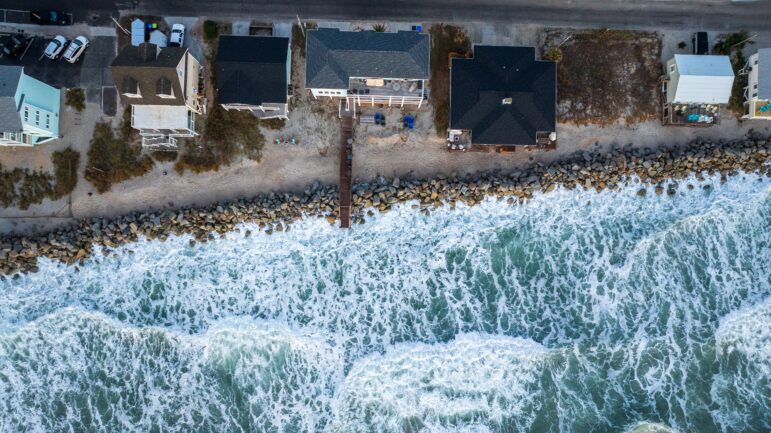
Popular Myths About Climate Adaptation Journalists Should Know
Adaptation is not a substitute for mitigation. Cutting emissions remains indispensable to preventing the worst outcomes of climate change.
Adaptation is not a substitute for mitigation. Cutting emissions remains indispensable to preventing the worst outcomes of climate change.

Journalists reporting on water scarcity often face a lack of transparency, limited access to sites and sources, unwieldy data, and a resistant media environment.

What does climate change feel like? How will your city’s climate shift, 50 years from now? Data scientist Derek Taylor explains his latest piece.

The lack of regulatory oversight of radioactive waste in the oil and gas industry has created an environment ripe for some extraordinary science and environmental journalism.

The oil and gas industry is complex and notoriously opaque. But with new tools, it’s become easier for investigators to dig into this field.

New remote sensing techniques are enabling researchers to monitor how armed conflict can be a driver of greenhouse gas emissions like methane.

In this story, an academic researcher recounts his team’s investigation, published in the journal Science, that looked into the accuracy of models measuring the health of fisheries.

Environmental reporters share tips for unraveling the mysteries behind carbon credit projects and government ties to the fossil fuel industry.
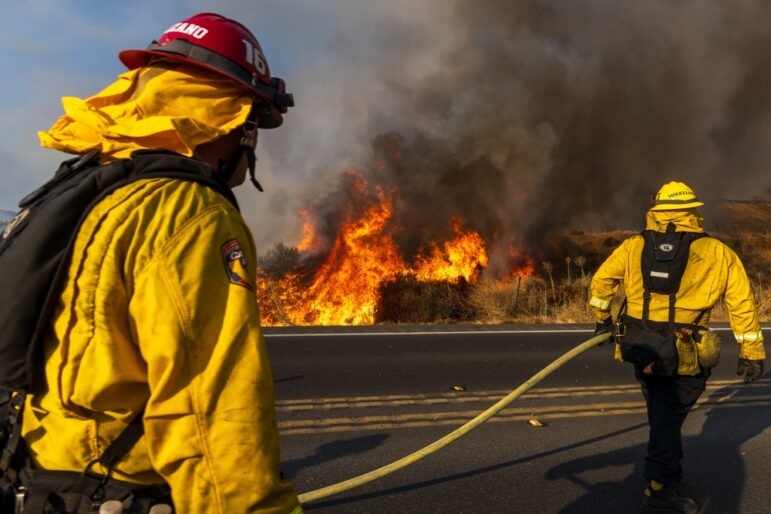
A legal loophole in the Clean Air Act allows air pollution to be erased from EPA statistics and regulatory decisions if the pollution was caused by “natural” or “uncontrollable” events.

GIJN convened a one-day meeting of 80 climate change journalists and experts from 35 countries to discuss the future role of investigative journalism in climate crisis reporting.
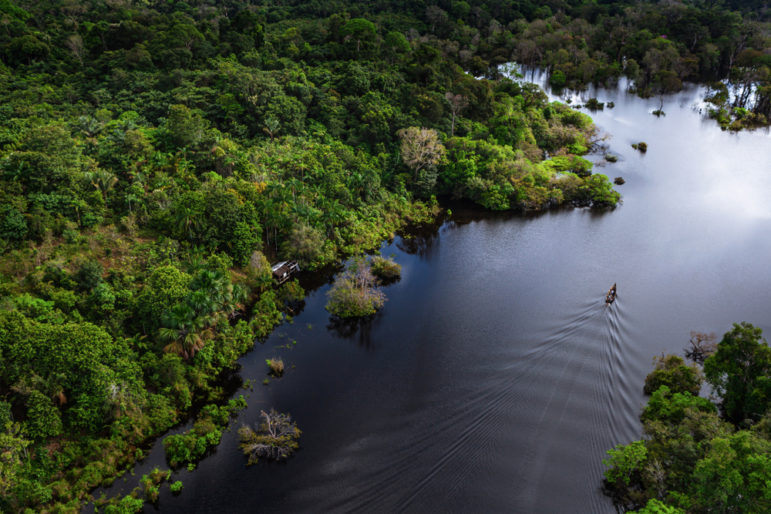
The crises of South America’s giant rainforest basins ignore national borders. So should journalism, writes Andrés Schäfer, in this article exploring how different outlets in the region are investigating what is happening along the banks of the region’s largest rivers.
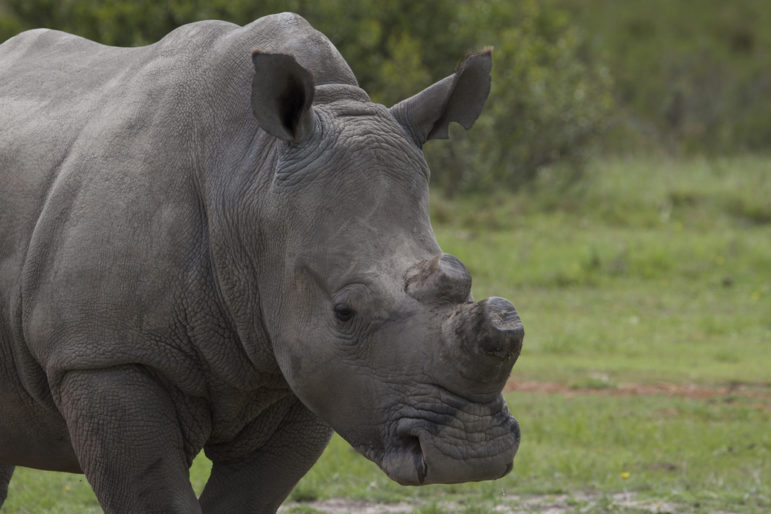
Investigative journalism of environmental issues has grown substantially in recent years in Africa, thanks to a number of new initiatives and reporting projects.
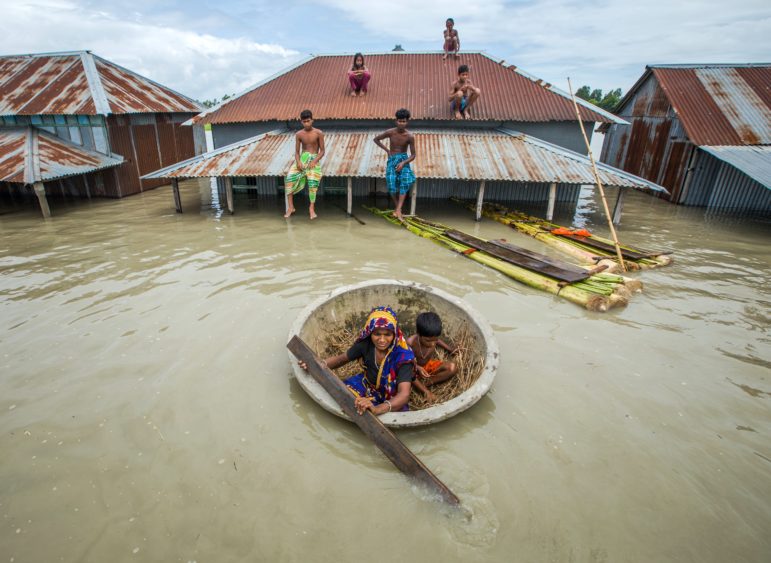
For journalists, explaining the causes and consequences of rising sea levels is a critical and challenging assignment. To address this aspect of the climate crisis, GIJN is publishing an extensive guide to support journalists covering the impact of rising seas around the world.