
Image: Shutterstock
Reporter’s Notebook: What to Do When Your Investigation Gets Spiked
When the Nigerian journalist Emmanuel Agbo was a young freelance reporter, he started an investigation into how his country’s lack of a whistleblowing protection law endangers sources. Every night for three months, he worked on different aspects of the story and used his own money to cover fieldwork expenses.
He filed the piece, it was edited, but what followed was silence. He waited for five months, but the newsroom never published the story and he was never given an explanation as to what had happened.
“It was a painful experience,” Agbo says: “Producing investigative reports is not easy, and it takes a lot of effort to pick up the pen and write again.”
But the whistleblowing story was not the only setback he faced: over the course of two years, five other freelance investigations — many of them into powerful and notoriously protective Nigerian government institutions — were spiked by his editors before they ever reached the public.
That created an unhelpful spiral: The sources who spoke to Agbo for the earlier pieces were uncertain whether to carry on speaking to him, his own confidence was shaken. Agbo said he wasn’t comfortable approaching editors about these stories, so he never fully understood what had happened to them. Were they too legally risky? Too dangerous? Was there a problem with his sourcing or writing?
Ask any journalist about stories that have been spiked, and they are bound to have a folder full of drafts that never made the final cut. For some, the reasons can be as simple as a story not living up to expectations of the story pitch, or the shifting and sometimes fickle preferences of editors. For others, the reasons are more complex: legal risks, commercial interests, editors moving on before a story is published.
Investigative reporters can spend months, sometimes years, working on stories that never see the light of day. Whenever that happens, there is no roadmap for what comes next. To better understand why stories get spiked, GIJN spoke to reporters and editors from a number of African newsrooms. Together, these editors dissect the issue and recommend what journalists should do if they find themselves in this situation.
Power of the Editor — and the Pressures They Face
When the Ghanaian journalist Kofi Boateng saw that the country’s National Health Insurance Authority (NHIA) was sponsoring football clubs to create visibility for the agency, he thought it was a story ripe for investigation. He felt like that decision came at the expense of the organization’s core mandate, to pay for hospitals that are part of the health scheme.
“I thought it wasn’t the right way to spend such an amount of money,” he tells GIJN. “So I said to myself that this is an important story to cover.”
Following eight months of interviews, freedom of information (FOI) requests, and research, Boateng finally sent his draft to his editor. The story was edited, approved for publication, but then the editor resigned. Their replacement spiked the piece.
“Maybe the new editor didn’t see the relevance of the story, but I could not do much to pressure him because I was a young professional at the time,” he explains. He also felt that there was a risk that taking it elsewhere could impact his future career.
His experience speaks to something sources for this piece raised in different ways: sometimes you know why your story has been spiked, and other times the reason is opaque. Sometimes it might be directly related to your story, but other times it could be to do with what is happening on a more macro-scale, with issues far outside of your control.
Bettie K. Johnson-Mbayo is an editor at The Stage Media in Liberia. While her outlet receives no funding from the Liberian authorities, “which is what keeps the editorial line its own,” she explains that many media institutions in the country are either owned or financed by politicians and business tycoons who pay for advertising. This puts outlets in a complex situation, she notes, potentially impacting their editorial independence. Unfortunately, this means editors might choose not to publish stories that could affect the interests of their financiers.
Idris Akinbajo, editor of Nigeria’s Premium Times, an online investigative newspaper, and Erasmus Mundus board advisor, says some stories are spiked as a protection measure to eschew frivolous lawsuits (SLAPPS), adding that many media outlets continuously receive legal claims from disgruntled individuals who just want to frustrate them. As a result, editing investigative projects can require navigating a delicate legal balancing act.
Data from the Centre for Journalism Innovation and Development (CJID)’s Press Attack Tracker backs this up, as it has logged 1,326 press freedom violations in Nigeria during a nine-year monitoring window. In addition, a national study on legal intimidation by the Nigerian civil rights organization Hope Behind Bars Africa reveals that media practitioners have been on the receiving end of nearly 70% of all SLAPPs filed across the country.
“We are spending so much on lawsuits that sometimes, over a period of time, it takes its toll. It plays on your mind to say, is this really worth it? Even if you believe the story is factual and accurate, that’s the consequence,” Akinbajo points out.
He recalls a lawsuit that cost his newsroom up to N20 million (US$15,000), with a number of such cases still ongoing. Even when the newsroom wins, the slow nature of the legal process takes a toll on newsroom finances. It also makes editors more likely to question if a story is worth spending time and money defending in court.
It’s a situation that can leave freelance reporters outside the newsroom in an even more vulnerable position.
Accountability Must Be a Two-Way Street
Paying “kill fees” is not common practice in African newsrooms. While some international outlets have contractual arrangements that pay for time spent on a story even if it never runs, this concept is relatively alien across the continent.
However, editors advise that before going into the field on any story, reporters should pitch their idea. If they get the green light, the next step is to request a written agreement that spells out what happens if the story is not published, and what happens to expenses incurred while reporting.
Ajibola Amzat, Africa editor for the US-based Centre for Collaborative Investigative Journalism (CCIJ), supports this approach. He adds that newsrooms should develop clear policies to guide both editors and journalists when at this crossroads.
At the CCIJ, for example, he says editors sign contracts with journalists and freelancers that clearly define their role on a reporting project, and set out who owns the material, and what happens if anything goes wrong.
When Your Story is Killed, Ask Why
Amzat, who has led multiple investigative projects across different countries in Africa, suggested three courses of action for reporters whose stories have been spiked: push back (professionally), negotiate with the editor, or choose to accept the decision, either dropping the story or finding a home for it elsewhere, depending on the circumstances.
He adds that the biggest mistake journalists and freelancers make is accepting a no-publish decision without asking editors why. He emphasizes that journalists should always call for a meeting to find out the reason their story has been killed.
Offering a practical example of a story he spiked, Azmat recounts how he reached out to the reporter and explained the editorial decision to him in detail.
“I called the reporter and told him his story was good and I had edited it. [But] then I talked about how I got a call from my boss when I was about to click the publish button. He said there was a major challenge with publishing this story,” he says.
“As an editor, my duty is to publish stories, not to kill stories. But I do not have power over the money that we are using to run the organization. And the person who has the power has asked us to hold on because if we publish the story, it’s going to really affect our bottom line,” he continues. “The publisher did not say that we should not publish, but that we should hold on for a while.”
Ultimately, the story wasn’t published, Azmat explains, and he later resigned from the outlet. “I explained [everything] to the journalist, I told him what happened,” he says. “He was not very happy about it. But he was also an experienced journalist, and he understood that these things happen.”
Akinbajo echoed Amzat’s opinion on accountability working both ways. He notes that editors “make the mistake of thinking they are bosses, and they need no explanation. Accountability is not just for public officials; it’s for you as a media practitioner. You are accountable to your reporters.”
Find It a New Home
In some places, editorial policies mean that staff are unable to offer spiked stories to other outlets. Akinbajo tells GIJN that where this is the case, he encourages journalists to publish on their personal blogs or social media.
But he cautions that by doing so reporters may still be exposed to the same risks that made the newsroom kill a story in the first place. And of course, on personal websites, a reporter’s identity is often easy to identify.
Johnson-Mbayo suggests an alternative approach: publishing in multiple outlets, and using different formats, such as audio or video. She also suggests that where a story has been spiked because of security concerns, that a reporter use a pseudonym for protection. She believes reporters should try to find an alternative home for their pieces, “because you have invested. You want to see an impact, and you want to see a solution after.”
At the CCIJ, Amzat says copyright is equally shared between the outlet and reporters, though he recognizes this practice may differ across newsrooms. While he agrees that journalists should have the right to publish spiked stories elsewhere, reporters should check if they signed a contract before an investigation and specifically check who owns the copyright on written or edited articles. When in doubt, he says it’s good practice to check in with an editor and inform them before taking the piece elsewhere.
He adds that while some editors may not be happy with that: “if you think that story is going to address some very key issues that might bring change to the society, you should go ahead and publish, but in a way that can mitigate the impact either on you or your family.”
Akinbajo also appeals to the global journalism community “to create more environments where these issues can be discussed by reporters and editors. And then train more young journalists, especially freelancers, on how they can navigate when they come across such challenges.”
As for Agbo, he ended up landing what some would see as a dream job: as an investigative reporter at Premium Times. Those early investigations as a cub reporter cost him, but it also allowed him to hone his craft and his practice.
Still, he says he has seen others who have gone through the same thing and have not prospered. Some have even walked away from journalism because their stories were repeatedly spiked. “I’ve seen many people who decide to leave journalism because their stories were not published,” he says. He doesn’t judge them because he has felt the impact too.
 Sunday Awosoro is a Nigerian journalist and researcher who tracks disinformation, digital harms, and civic accountability across Africa. He currently works as a research analyst and fact-checker at the Centre for Journalism Innovation and Development (CJID), where he specializes in data and digital investigations. His in-depth investigations have been published on DUBAWA, The Cable, Premium Times, DAIDAC, and Daily Trust, among others.

GIJN Guide to Project Management in Investigative Journalism
GIJC23 – Podcasts: Producing the Investigative Podcast
How to Set Up a Video Unit: A GIJN Guide for Small Organizations
Investigative Audio: 8 Tips from Podcasting Innovators

Expert Tips for Editing Investigative Podcasts

‘Mr Nobody Against Putin’: An Oscar-Winning Documentary’s Lesson on Undercover Reporting in Plain Sight

Managing the Collaboration: The Growing Importance of the Investigative Coordinator
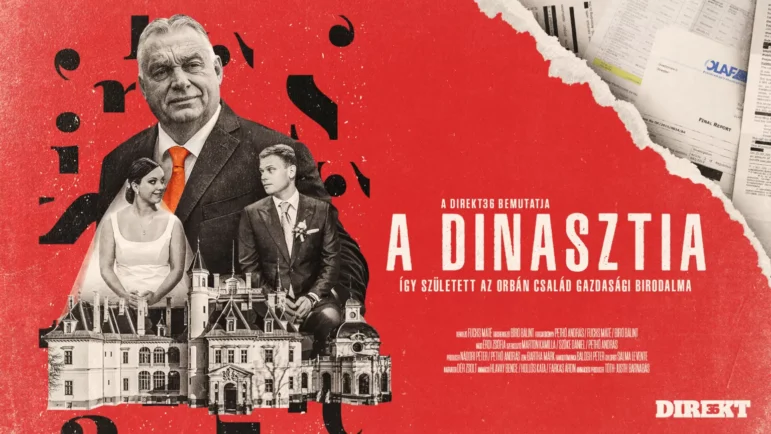
‘Some Stories Just Work Better Through Film’: On the Strategy Behind Making an Investigative Documentary

This work is licensed under a Creative Commons Attribution-NoDerivatives 4.0 International License
Republish our articles for free, online or in print, under a Creative Commons license.
Republish this article
This work is licensed under a Creative Commons Attribution-NoDerivatives 4.0 International License
Read Next
Getting the Story Out
Expert Tips for Editing Investigative Podcasts
In a session on editing investigative podcasts at IRE26, veteran audio journalists offered several key lessons for producers and reporters new to investigative podcasts.
Getting the Story Out News & Analysis
‘Mr Nobody Against Putin’: An Oscar-Winning Documentary’s Lesson on Undercover Reporting in Plain Sight
The commissioning editor of BBC’s Storyville speaks about the making of the documentary, which delves into the pro-Ukraine-war propaganda leaching into Russian schools.
Getting the Story Out
Managing the Collaboration: The Growing Importance of the Investigative Coordinator
The role is frequently described as a lynchpin in investigations, and the more moving parts, partners, and countries, the more vital this position becomes.
Getting the Story Out
‘Some Stories Just Work Better Through Film’: On the Strategy Behind Making an Investigative Documentary
Direkt36 co-founder Andras Petho speaks about how an investigative documentary became a rare viral success, what it revealed about Viktor Orban’s Hungary, and what other small newsrooms can learn from its impact.