
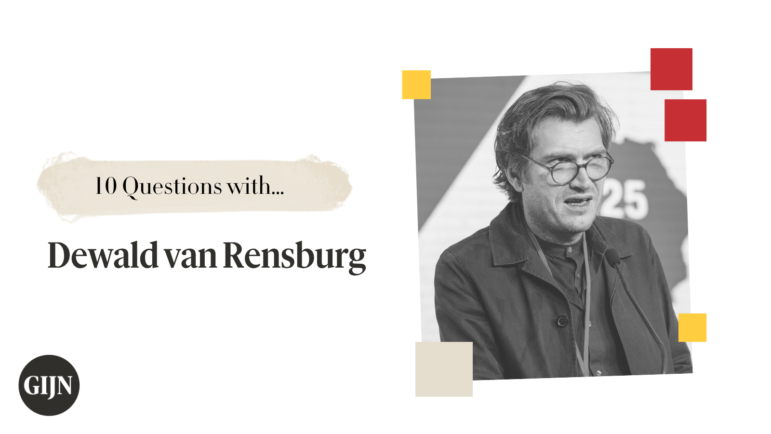
Photo: Leon Sadiki for the Wits Centre for Journalism
The African Investigative Journalist of the Year on Deep Dives, Funding, and ‘Paying Your Dues’
Dewald van Rensburg uses forensic skills built over 20 years of reporting on the South African economy to piece together small details into big picture investigative stories. He has built a reputation for his deep dives into the country’s money laundering industry, dodgy bank deals, and corruption, and a few months ago was named African Investigative Journalist of the Year.
But his path to the limelight involved serious commitment and hard work, or as he puts it, more than a decade spent “in the wilderness,” slugging through paperwork and spreadsheets to find stories.
His breakthrough came in 2018, after uncorking the lead on the collapse of VBS Mutual Bank, a once little-known institution that gained prominence for lending former South African President Jacob Zuma, 7.8 million rand (circa US$500,000) — almost double its net income.
Together with his City Press colleague Sipho Masondo, van Rensburg exposed the government officials behind a scam that led to the bank’s collapse. His reporting won him awards for best journalist and story of the year at the prestigious Sikuvile Journalism Awards in South Africa.
Since joining the amaBhungane Centre for Investigative Journalism in 2019, van Rensburg has focused on cross-border fraud investigations, with recent work about a multinational investment scam and a dive into how South Africa’s gambling industry is used for money laundering.
Dewald van Rensburg told GIJN he wrote in secondary school, then contributed to the university newspaper, and just expected to write for a living. “I didn’t quite expect to start out as I did, writing as a junior at the business pages of a daily paper in Johannesburg,” he said while taking a needed break from a long reporting expedition. “It wasn’t exactly a choice; I got guided in that direction by a bursary and an attached offer of employment.”
Our interview has been lightly edited for grammar, length, and style.
GIJN: Of all the investigations you have worked on, which has been your favourite, and why?
Dewald van Rensburg: I imagine it seems like a lazy answer, but it really is my latest, which is a departure from the cops-and-robbers genre of most investigative journalism, including most of mine. I interrogated an immensely socially destructive industry — online gambling — which is mostly perfectly legal. But I hope I managed to show corruption in the wider sense of the word. I think there is a lot of scope to apply investigative methods to systemic social ills.
GIJN: What are the biggest challenges facing investigative reporting in your country, or region more broadly?
DVR: Time and money. Most journalists have nothing remotely like the luxury of time we at amaBhungane are afforded, given that we are a nonprofit newsroom funded entirely by grants and donations. At commercial publications, the publication cycle and pressure to produce copy, whether or not the investigation is complete, is immense.
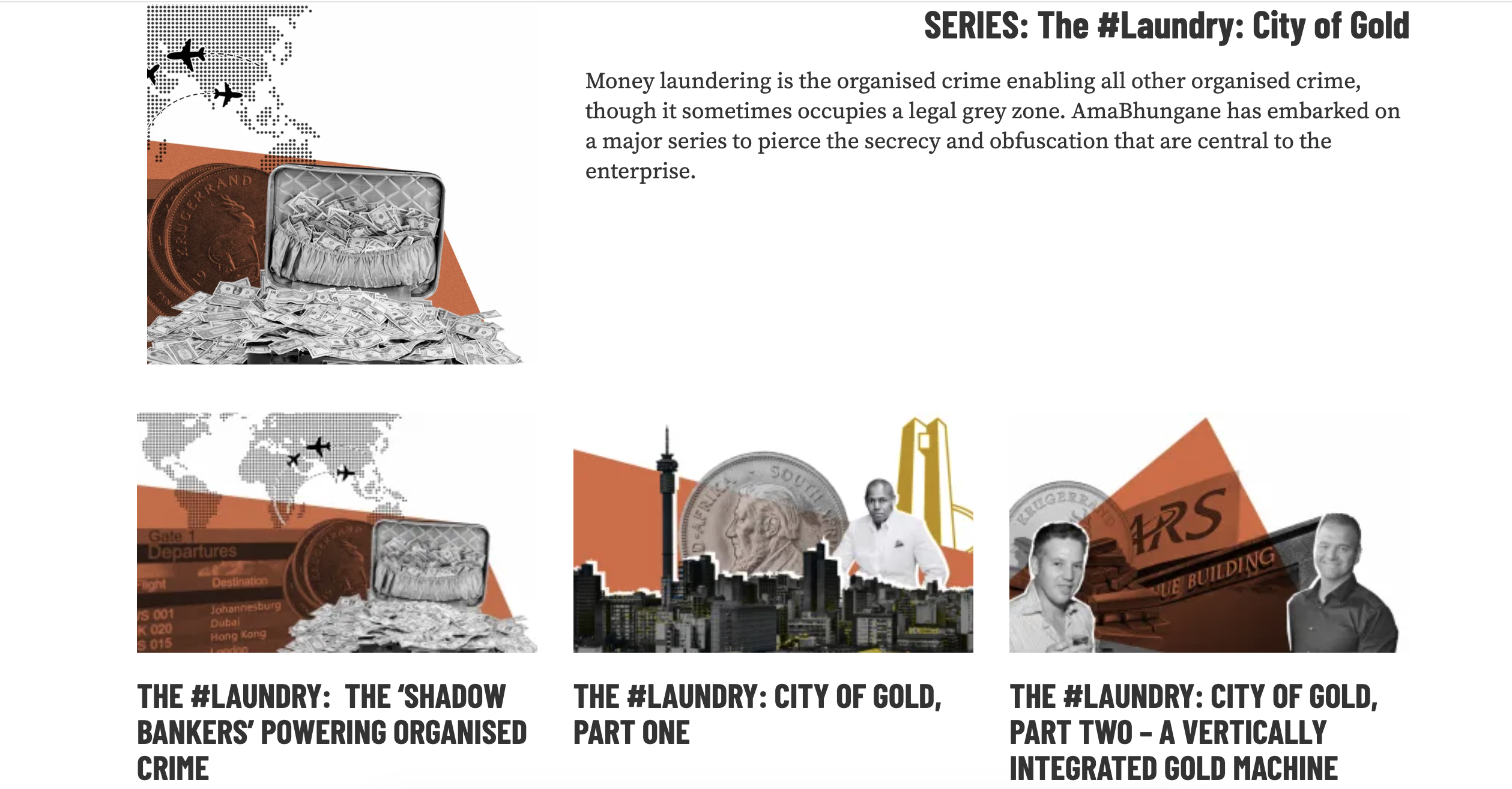
AmaBhungane’s award-winning investigation, The #Laundry, was a major series that examined various aspects of the money laundering chain and the secrecy that enables it. Image: Screenshot, amaBhungane
GIJN: What has been the greatest personal challenge you have faced in your time as an investigative journalist?
DVR: It can get pretty grueling and take a toll on you and your family. There is no such thing as nine-to-five, and you often find yourself working until 2:00 am day after day. The threats I have faced have mostly been legal, although I have once or twice had to have a go-bag at the ready to run for the back door if need be.
GIJN: What is your best tip for interviewing?
DVR: Be courteous, even to bad guys, and don’t be too friendly or familiar with sources, even those who look like the good guys. Don’t pretend to understand something you don’t.
GIJN: Is there a favourite reporting tool, database, or app that you rely on in your investigations?
DVR: I’m pretty much a paperwork and Excel kind of guy, although in South Africa we have data service providers giving access to things like the companies register, deeds office, and other technically public repositories that are, in practice, hard to access. It is not ideal that you need commercial intermediaries to get to information the state should make readily available, but these intermediary services are essential for investigative work.
GIJN: What is the best advice you have received in your career, and what words of advice would you offer an aspiring investigative journalist?
DVR: The best advice was that something I did was completely useless and that I should start over. Harsh feedback from editors can be very productive. As for advice I could give, pay your dues. You need to learn a lot and slog through a lot of less-than-exciting work before you are really ready for anything more advanced.
GIJN: Which journalist do you most admire, and why?
DVR: Let me get back to you on that. But no seriously, my admiration overwhelmingly goes to those covering the genocide in Gaza, where the threat to life is extremely real, as well as platforms like The Intercept in the US, which is admirably documenting that country’s descent into authoritarianism in real time. Sometimes you have to take seriously the cliché about journalism being the first draft of history.
GIJN: What is the greatest mistake you have made, and what did you learn from it?
DVR: Not challenging editors enough when I was younger and knew I was right about something.
GIJN: How do you avoid burnout in your line of work?
DVR: Naps. Also, you need to develop a rhythm that gels with the nature of your work. I do investigations that are often months in the making. There is no shame in taking a week or two off after a big publication goes out.
GIJN: What frustrates you most about investigative journalism, or what do you most hope will change in the future?
DVR: Time and money. It not only constrains people’s ability to do the work but it also constrains the type of work that is emphasized. My view is that you need to look at things systemically, beyond the individual instances of corruption or the abuse of power. Big-picture work is hard to do without lots of time spent reading and learning widely.
 Banjo Damilola is an investigative journalist from Nigeria. She has investigated corruption in the justice system, and documented malfeasance in the Nigerian Police Force, the courts, and the Prison Service. She received a commendation from the Wole Soyinka Center for Investigative Journalism and was a runner-up for the 2019 Thompson Foundation Young Journalist Award.

Guide to Investigating Organized Crime in Africa: Chapter 8 — Kleptocracies
Making Nonprofit Newsrooms Sustainable

International Research Guide: How to Find Experts and Hidden Documents on Any Topic

Guide to Investigating Tech and AI in Modern Warfare
Elections Under Attack, Shadow Aircraft Fleet, National Park Land Grabs: 2025’s Best Investigative Stories from Sub-Saharan Africa

Fighting State Capture Through Collaboration: How amaBhungane Has Redefined Investigative Journalism in Southern Africa
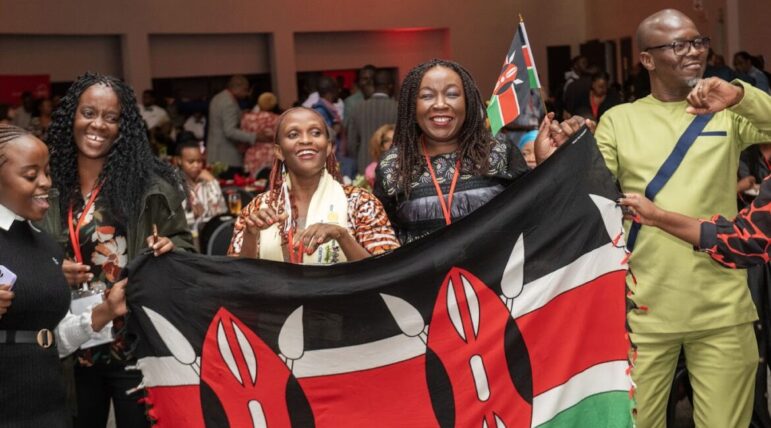
After 21 Years, AIJC Signs Off from South Africa in Style. Next Stop: Kenya
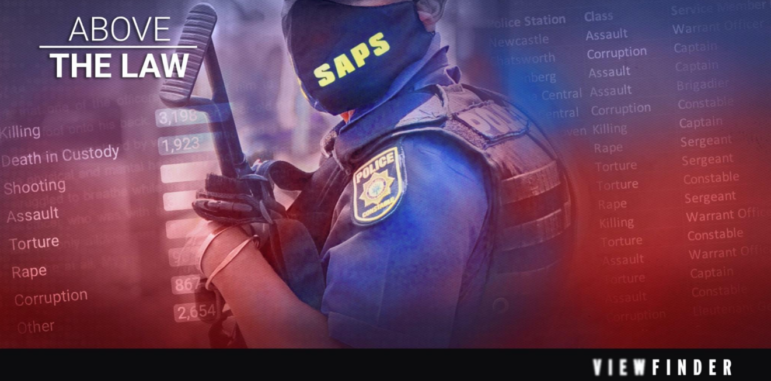
How Viewfinder Is Re-Imagining Investigative Journalism in South Africa to Expose Systemic Failures

This work is licensed under a Creative Commons Attribution-NoDerivatives 4.0 International License
Republish our articles for free, online or in print, under a Creative Commons license.
Republish this article
This work is licensed under a Creative Commons Attribution-NoDerivatives 4.0 International License
Read Next
Editor's Picks News & Analysis
Elections Under Attack, Shadow Aircraft Fleet, National Park Land Grabs: 2025’s Best Investigative Stories from Sub-Saharan Africa
In 2025, journalists across Africa have courageously reported on illegal activities — and their impact — long after they’ve occurred, and despite attempts to bury this information.
Member Profiles
Fighting State Capture Through Collaboration: How amaBhungane Has Redefined Investigative Journalism in Southern Africa
As well as playing an outsize role in exposing state capture and toppling South Africa’s former president, this newsroom is a champion for investigative journalism in the region.
News & Analysis
After 21 Years, AIJC Signs Off from South Africa in Style. Next Stop: Kenya
More than 455 attendees representing 45 countries, 37 of them in Africa, attended Africa’s premier investigative journalism conference at Wits University.
Case Studies Member Profiles
How Viewfinder Is Re-Imagining Investigative Journalism in South Africa to Expose Systemic Failures
New GIJN member Viewfinder, a small nonprofit journalism organization, is re-imagining investigative reporting in South Africa by exposing the disproportionate effects of systemic failures on marginalized communities.