
Resource Guide
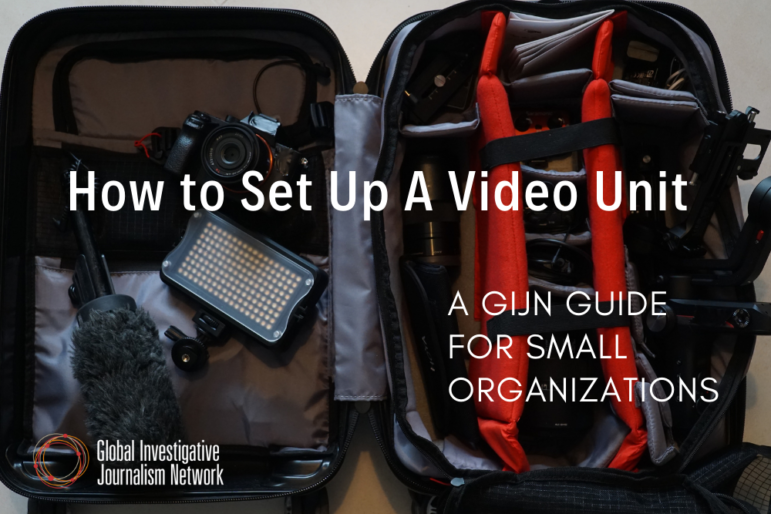
How to Set Up a Video Unit: A GIJN Guide for Small Organizations
How to hire staff and plan out your shoots to tips for better photography and helpful case studies.
How to hire staff and plan out your shoots to tips for better photography and helpful case studies.

In a GIJC21 session on investigative podcasts, journalists and producers who have created award-winning podcasts shared ideas on how to leverage this audio storytelling technique to better connect with the audience and tell impactful stories.
This guide was produced thanks to support from the Google News Initiative. It was researched and written by Talya Cooper, a researcher based in New York who has worked as the archivist of the Edward Snowden archive at The Intercept and as archive manager at StoryCorps. She is the co-author, with Alison Macrina, of “Anonymity,” a […]

More than ever, investigative journalists need to understand electronic data to do their jobs. To find, extract, analyze and tell stories, increasingly they need to deal with spreadsheets, databases, and visualizations. Nils Mulvad (https://x.com/nmulvad) is an Investigative journalist based in Denmark, who has worked with data journalism for more than 20 years. Visit GIJN’s resource […]
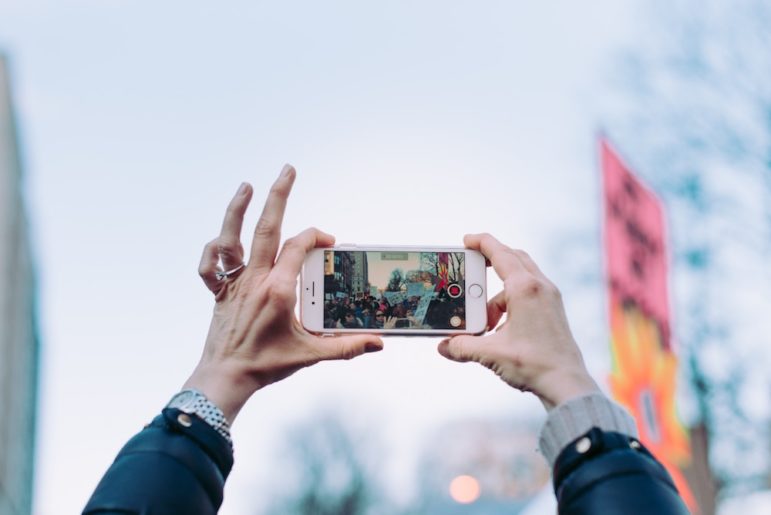
COVID-19 Update: Reporting during the pandemic poses some new risks. Here are some relevant resources. Marc Settle, a BBC Academy smartphone trainer, prepared this article: Coronavirus’ impact on mobile journalism Nico Piro, mobile journalism trainer and special correspondent at Italy’s RAI, shared lessons here: Lessons from Italy: best practices for field reporting during the coronavirus […]
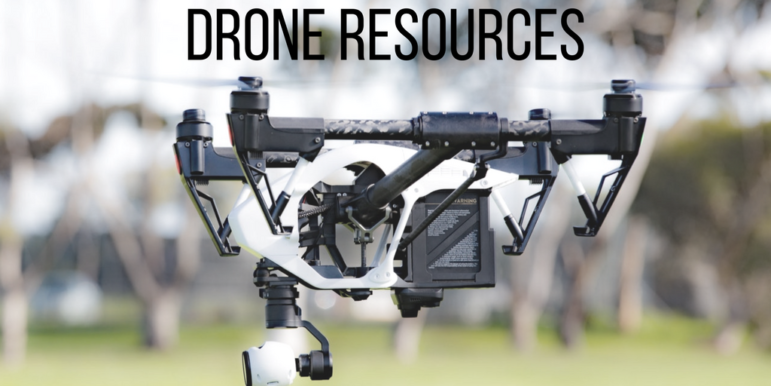
Turbulent with a chance of data: Journalism’s drone-powered futures: A guide to storytelling with UAVs, by Monika Sengul-Jones in datajournalism.com. Tips on Drone Journalism by Raffy Tima, a senior news producer and news anchor with GMA Network Manila, Philippines, as presented during GIJC17. Six Tips for Succeeding at Drone Journalism, a guide prepared by Johnny […]
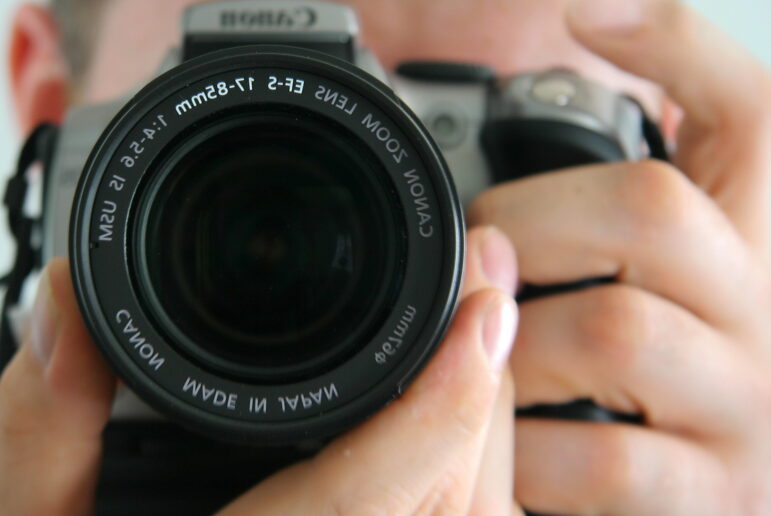
There’s nothing like a good photographer to bring alive an investigative story. One of the worst crimes that investigative journalists commit is spending months on a great story, and then only minutes on the presentation. Working with photojournalists who know their craft (along with designers and graphic artists) can be one of the real pleasures of putting a big project together. We’re fortunate that a new handbook on using photography for investigations was just published: Investigative Photography: Supporting a Story with Pictures, by CJ Clarke, Damien Spleeters, and Juliet Ferguson.
In 2001 GIJN was born, as investigative journalists from around the globe met for the very first time to share ideas, tips, and best practices to strengthen their reporting in a world where journalism was increasingly under threat.
Today the threat has multiplied, and at GIJN we find ourselves under the same pressures as our member organizations. Most urgently: available funding for investigative journalism has been impacted as some longtime funders who supported journalism in the past are no longer doing so or have closed. Yet our work continues, more important than ever before.
GIJN serves as the global hub for the world’s investigative reporters. Our core mission is to support and strengthen investigative journalism—with special attention to those from repressive regimes and marginalized communities.
We are embarking on our first-ever campaign initiative to help us expand our revenue by the end of the year through individual donors. If you have ever joined one of our free webinars, used one of our free resources, learned a new skill thanks to a GIJN training, or simply believe that press freedom is essential to civil society, we ask you to show your support for GIJN’s work with a donation of your choosing. Called “Friends of GIJN,” this campaign includes a more personalized experience, starting in 2027, for individuals who answer the call to join with us during this unprecedented time.
Truth and democracy are under attack around the world. You can fight back by helping GIJN support investigative journalists with free access to the latest tools and techniques — so they can foster justice and hold accountable those who abuse the public trust.
With a staff based in 24 countries, GIJN works in a dozen languages each day, linking together the world’s most enterprising journalists, offering state-of-the-art training, webinars, tip sheets, and a Help Desk that responds to 2,000+ requests for assistance each year. More than 84% of GIJN’s operating budget goes directly to our program work.
Please make a gift today to support journalists on the front lines of the fight for accountability and human rights.