

Reporting Tools & Tips
Q & A: Lessons Learned from Investigating the Wagner Group in Africa
Nigerian investigative journalist Philip Obaji Jr. discusses the threats and challenges he has faced covering the Russian mercenary outfit, the Wagner Group.
Nigerian investigative journalist Philip Obaji Jr. discusses the threats and challenges he has faced covering the Russian mercenary outfit, the Wagner Group.
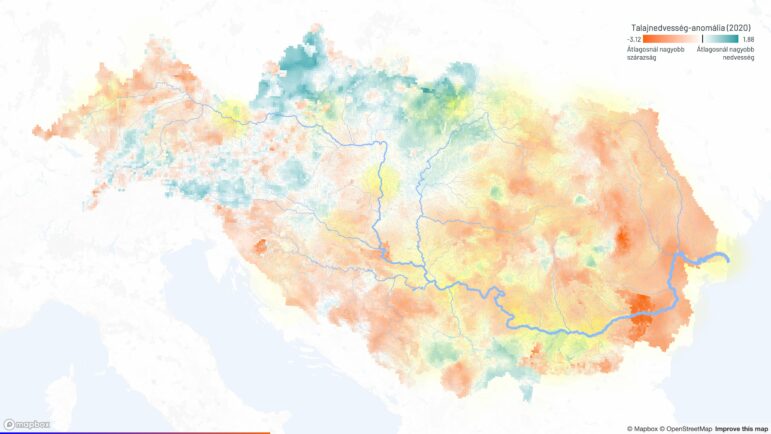
Our column on the best in recent data journalism also looks into the warming Danube river, Spain’s ominous water shortages, and the gender pay gap in Latin America.
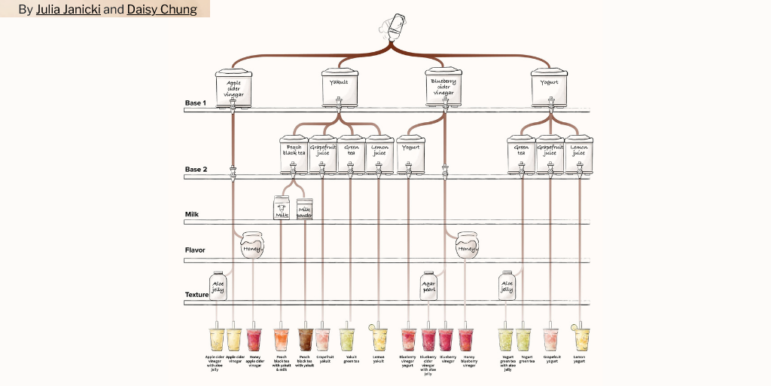
Our weekly NodeXL curation of the most popular data journalism stories on Twitter includes a look at how women in the headlines can be used to perpetuate existing stereotypes, an examination of how large pockets of unvaccinated individuals are driving the pandemic in the US, and a fun make-your-own bubble tea interactive adventure.
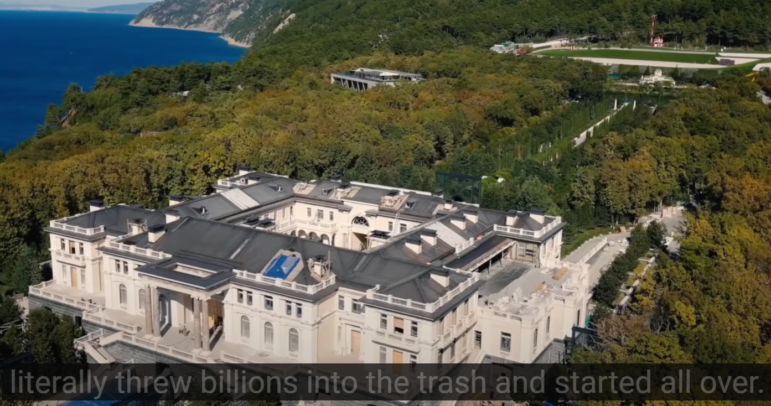
Despite its overt political objectives, the research section of FBK — an anti-corruption nonprofit founded by Russian opposition leader Alexey Navalny — has emerged as a potent investigative team that recently attracted 110 million YouTube views for a video that exposed massive corruption at a Black Sea palace. FBK’s head of investigations told GIJN about the methods the team uses for these investigations, and what professional journalists can learn from their approach.

Hundreds of what appear to be Twitter bots are artificially inflating the retweet and favorite counts of tweets with links to articles from some of Russia’s top news agencies. Lawrence Alexander discovered that these same fake accounts have previously mass-posted links to scores of pro-Kremlin LiveJournal blogs—themselves part of a network of thousands. In this piece, which originally appeared on Global Voices, Alexander walks us through his research process.

In 2001 GIJN was born, as investigative journalists from around the globe met for the very first time to share ideas, tips, and best practices to strengthen their reporting in a world where journalism was increasingly under threat.
Today the threat has multiplied, and at GIJN we find ourselves under the same pressures as our member organizations. Most urgently: available funding for investigative journalism has been impacted as some longtime funders who supported journalism in the past are no longer doing so or have closed. Yet our work continues, more important than ever before.
GIJN serves as the global hub for the world’s investigative reporters. Our core mission is to support and strengthen investigative journalism—with special attention to those from repressive regimes and marginalized communities.
We are embarking on our first-ever campaign initiative to help us expand our revenue by the end of the year through individual donors. If you have ever joined one of our free webinars, used one of our free resources, learned a new skill thanks to a GIJN training, or simply believe that press freedom is essential to civil society, we ask you to show your support for GIJN’s work with a donation of your choosing. Called “Friends of GIJN,” this campaign includes a more personalized experience, starting in 2027, for individuals who answer the call to join with us during this unprecedented time.
Truth and democracy are under attack around the world. You can fight back by helping GIJN support investigative journalists with free access to the latest tools and techniques — so they can foster justice and hold accountable those who abuse the public trust.
With a staff based in 24 countries, GIJN works in a dozen languages each day, linking together the world’s most enterprising journalists, offering state-of-the-art training, webinars, tip sheets, and a Help Desk that responds to 2,000+ requests for assistance each year. More than 84% of GIJN’s operating budget goes directly to our program work.
Please make a gift today to support journalists on the front lines of the fight for accountability and human rights.