

Data Journalism Databases
The Secret Sauce of NINA, El CLIP’s Data Community Tool for Latin America
CLIP developed a collaborative database that empowers journalists to access public documents, contracts, and datasets across Latin America.
CLIP developed a collaborative database that empowers journalists to access public documents, contracts, and datasets across Latin America.
GIJN’s French editor Alcyone Wemaëre spoke with Timothy Large from IPI’s IJ4EU cross-border investigation project to learn an insider’s tips for writing a successful investigative journalism grant proposal.
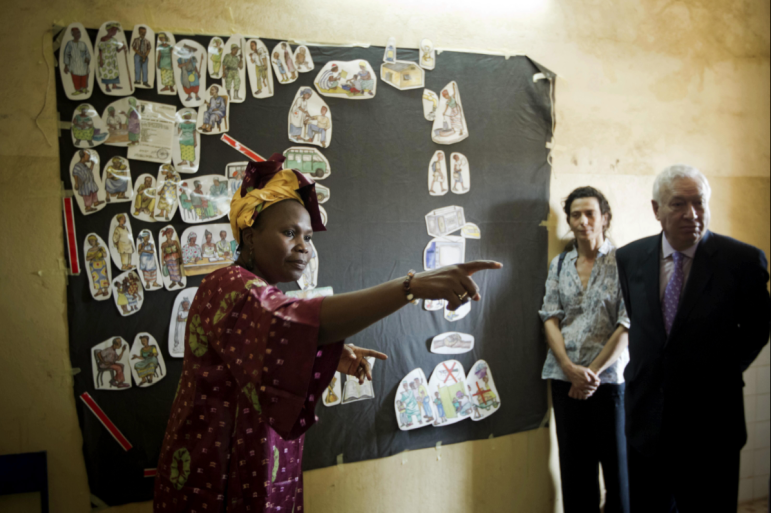
There are the two essential questions a reporter covering business, the economy, or just about any topic should always ask: ‘How much does it cost?’ and ‘Where will you get the money from?’. These simple questions are not only key to gaining information about your current story’s topic, but they offer greater insight into reasons for decisions that have a direct impact on a country and its citizens.
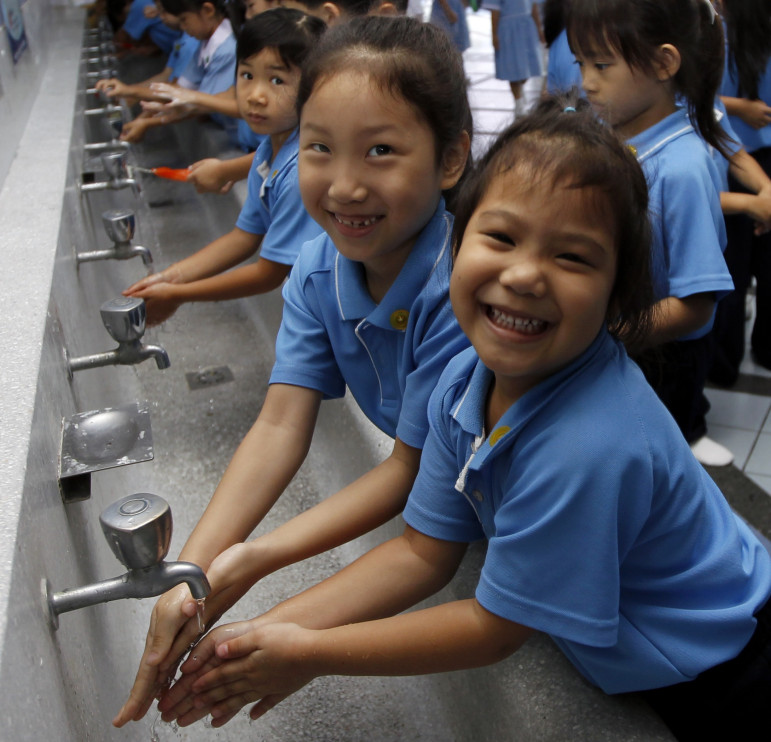
In his 1999 book Development as Freedom, renowned economist and Noble laureate Amartya Sen stated that investment in healthcare can lead to success in meeting a wide range of development targets, such as those identified by the Millennium Development Goals (MDGs). Indeed, good healthcare improves quality of life, reduces morbidity and mortality, and raises economic productivity. As such, the World Health Organization (WHO) has recognised the importance of universal health coverage (UHC) and urged its member states to adopt programmes providing essential health packages.
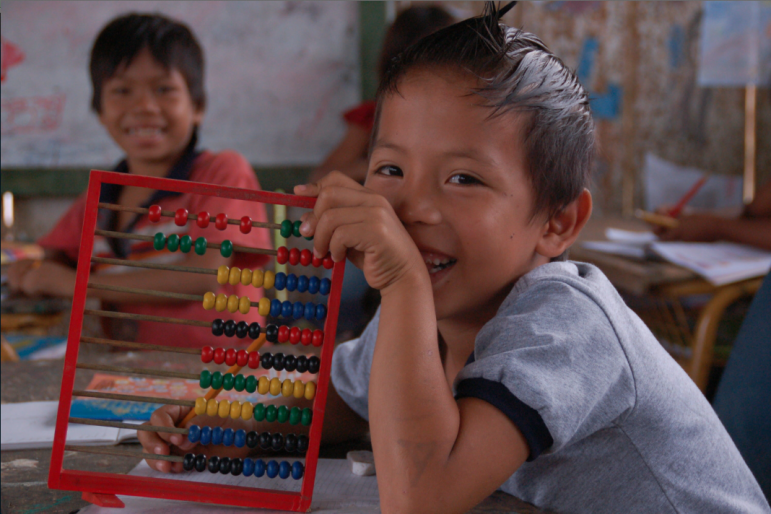
Editor’s Note: For the next two weeks, GIJN is running a series drawn from the newly released Reporter’s Guide to the Millennium Development Goals: Covering Development Commitments for 2015 and Beyond, published by the International Press Institute. Agreed to in 2000, the UN Millennium Goals comprise an ambitious agenda to improve quality of life around the world, focusing on such issues as poverty, gender equality, and education.
In 2001 GIJN was born, as investigative journalists from around the globe met for the very first time to share ideas, tips, and best practices to strengthen their reporting in a world where journalism was increasingly under threat.
Today the threat has multiplied, and at GIJN we find ourselves under the same pressures as our member organizations. Most urgently: available funding for investigative journalism has been impacted as some longtime funders who supported journalism in the past are no longer doing so or have closed. Yet our work continues, more important than ever before.
GIJN serves as the global hub for the world’s investigative reporters. Our core mission is to support and strengthen investigative journalism—with special attention to those from repressive regimes and marginalized communities.
We are embarking on our first-ever campaign initiative to help us expand our revenue by the end of the year through individual donors. If you have ever joined one of our free webinars, used one of our free resources, learned a new skill thanks to a GIJN training, or simply believe that press freedom is essential to civil society, we ask you to show your support for GIJN’s work with a donation of your choosing. Called “Friends of GIJN,” this campaign includes a more personalized experience, starting in 2027, for individuals who answer the call to join with us during this unprecedented time.
Truth and democracy are under attack around the world. You can fight back by helping GIJN support investigative journalists with free access to the latest tools and techniques — so they can foster justice and hold accountable those who abuse the public trust.
With a staff based in 24 countries, GIJN works in a dozen languages each day, linking together the world’s most enterprising journalists, offering state-of-the-art training, webinars, tip sheets, and a Help Desk that responds to 2,000+ requests for assistance each year. More than 84% of GIJN’s operating budget goes directly to our program work.
Please make a gift today to support journalists on the front lines of the fight for accountability and human rights.